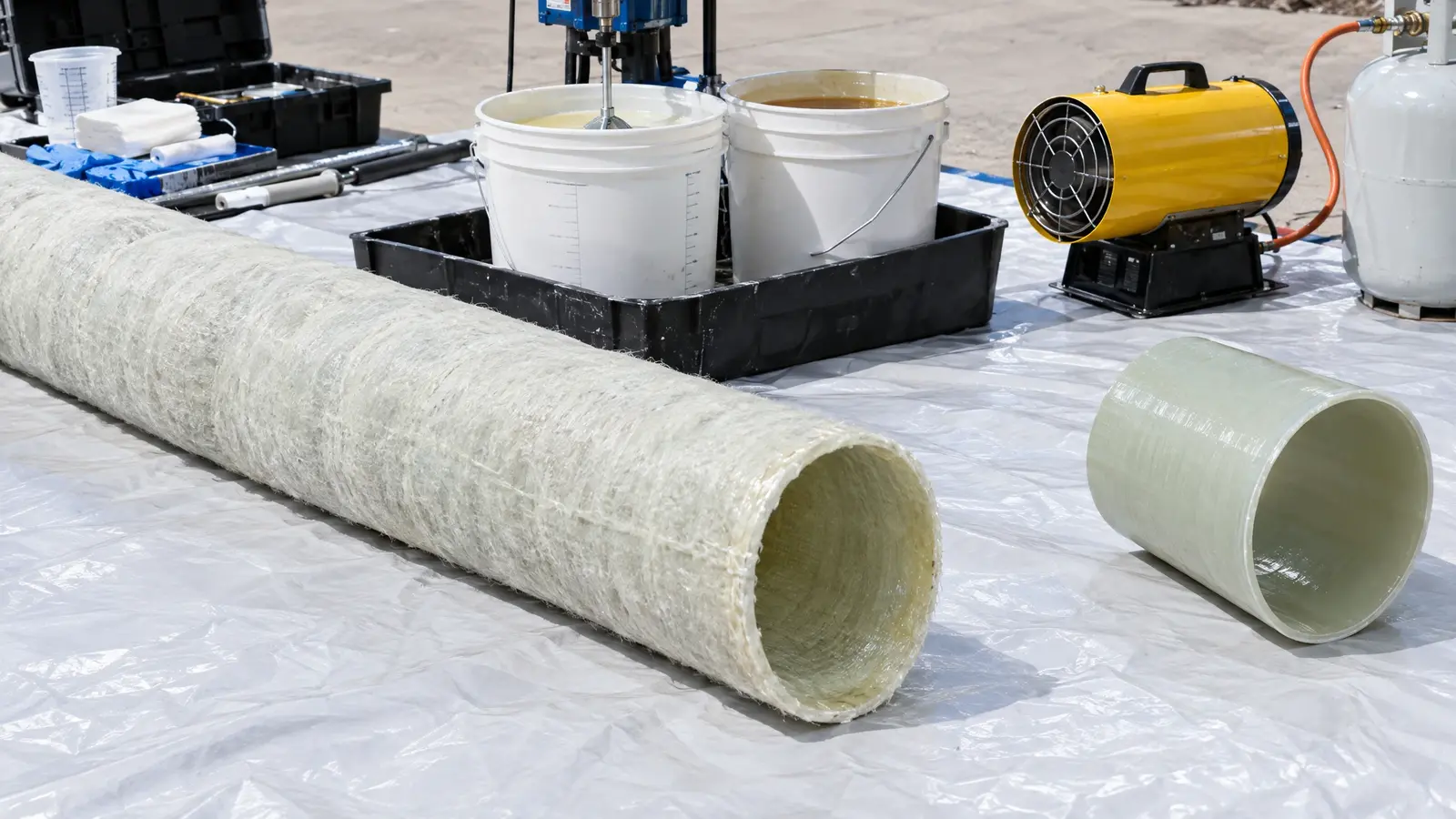
A resin-saturated felt tube cured inside the old pipe makes a new pipe within a pipe, without a trench.
A CIPP liner starts as a flexible felt tube impregnated with epoxy or polyester resin. It is pulled or inverted into the old pipe, inflated so it presses against the walls and cured with steam, hot water or UV light. When it hardens, it forms a seamless, structural pipe inside the old one.
A good liner depends on preparation: the host pipe must be cleaned, roots removed and the route verified by camera. Afterward, we reopen branch connections and run a final camera pass to document the finished surface.
No joints for roots to enter.
Small access points.
Documented preparation and result.
Hardens into a structural pipe.
Stops infiltration and root entry.
Designed for decades.
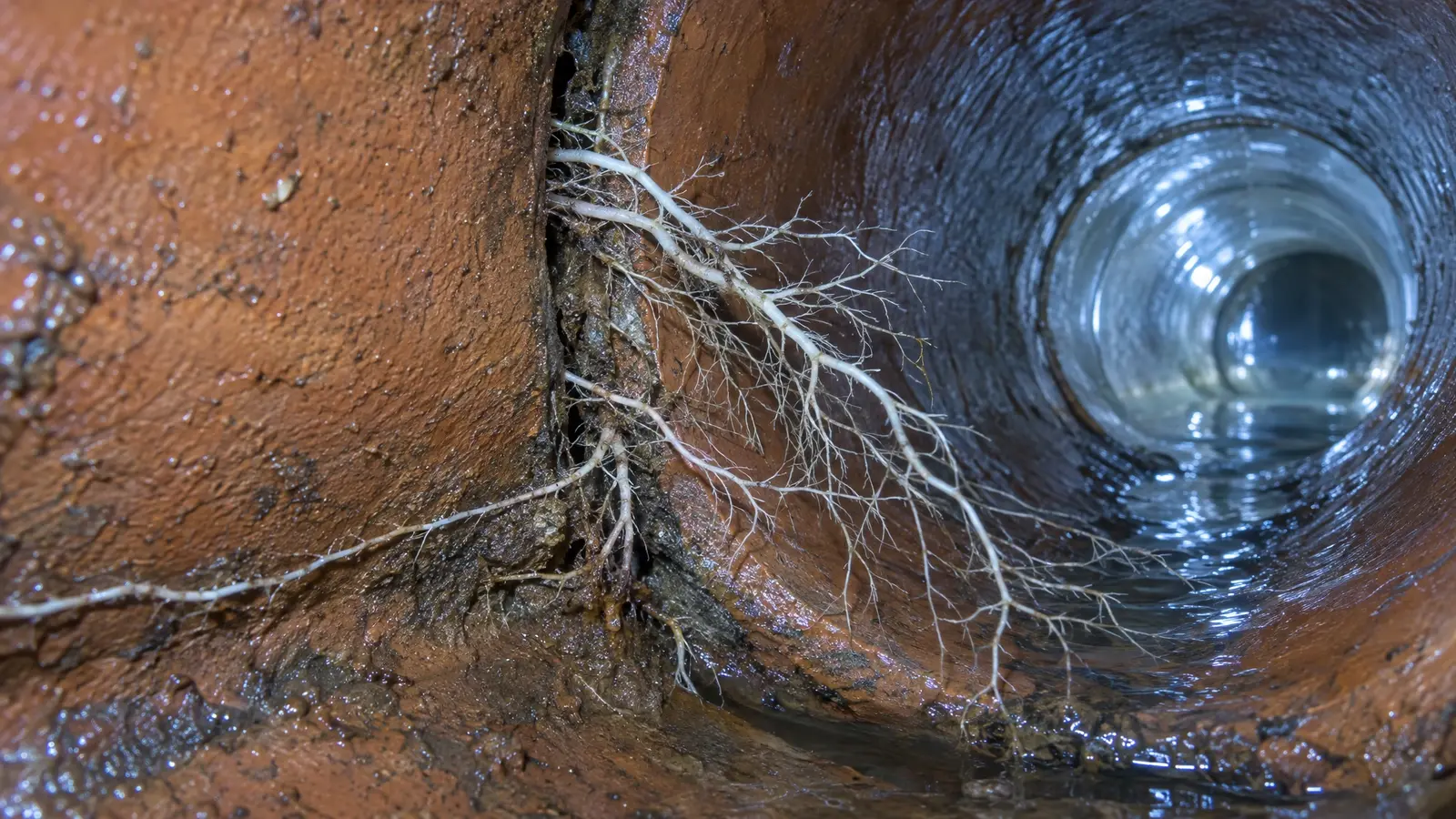 Root RemovalRoots find tiny cracks and joints, then fill the pipe. We cut them out, flush the line and…Explore
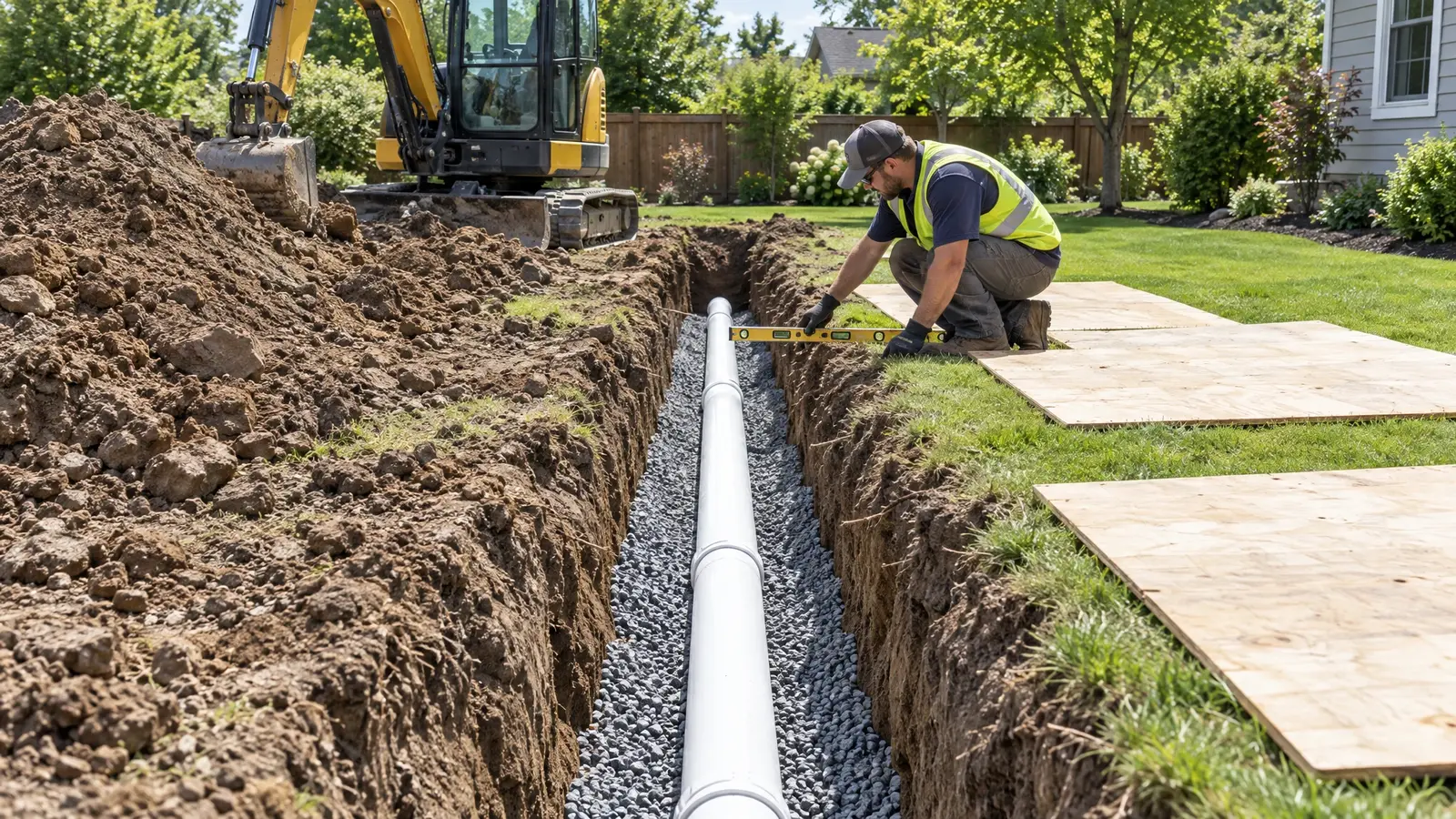 Sewer Repair & ReplacementWhen a sewer line is broken, collapsed or sagging, we repair it the way that makes sense for…Explore
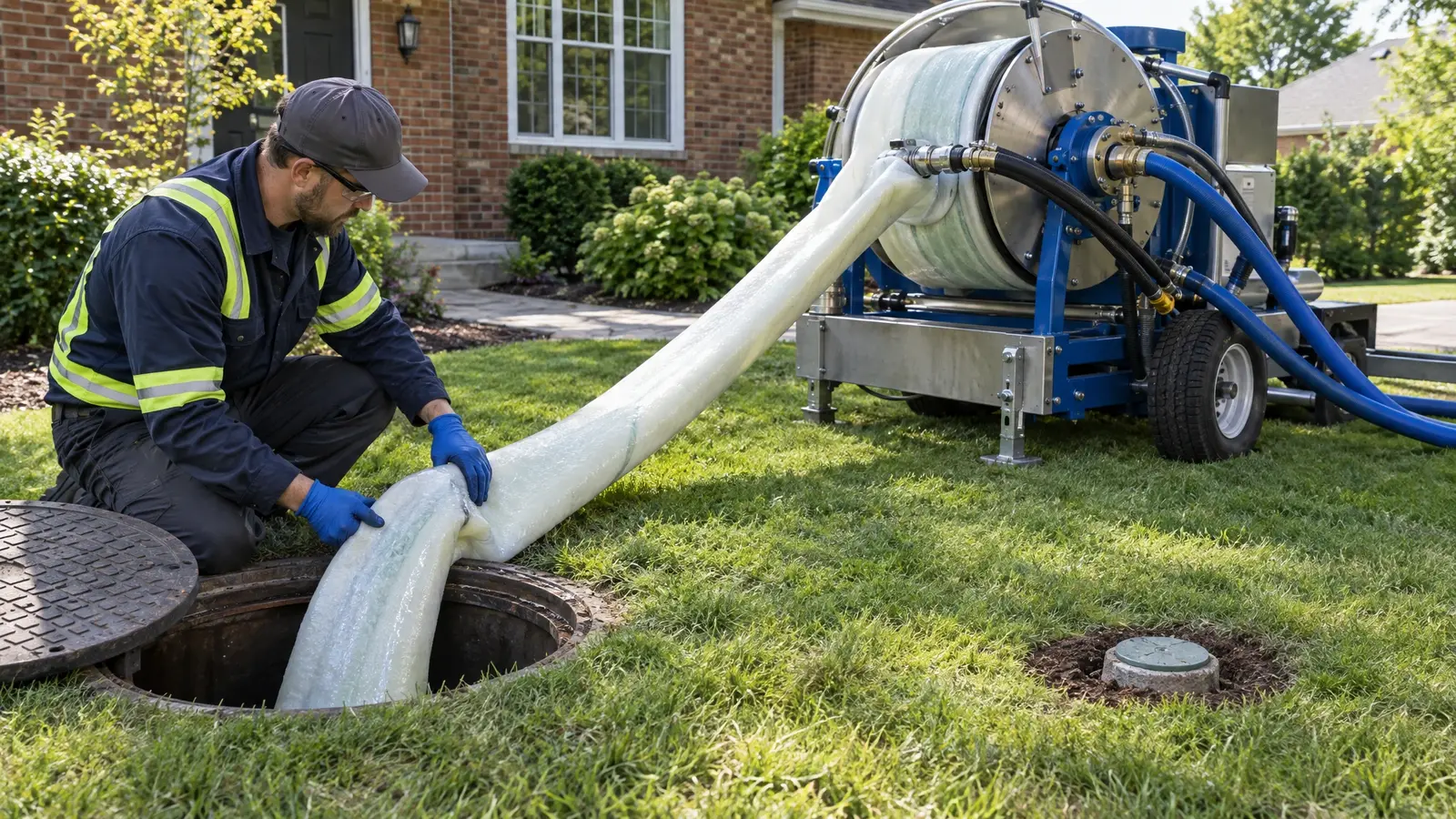 Trenchless Repair & LiningA new pipe inside the old one, installed through a small access hole. No trench across your lawn…Explore
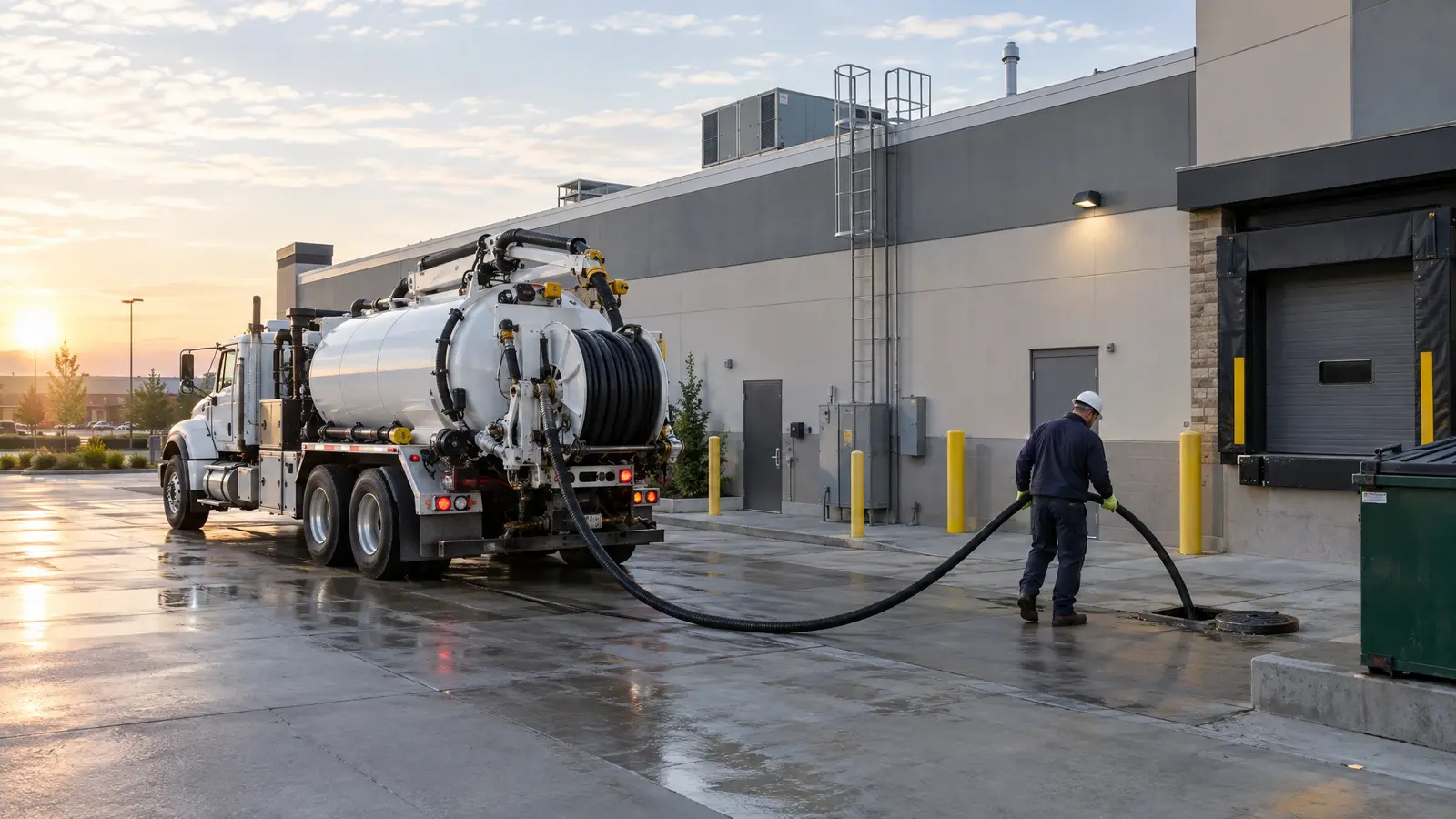 Commercial Drain ServiceDrains that keep businesses open: jetting, camera inspection, repairs and scheduled maintenance for commercial properties.Explore
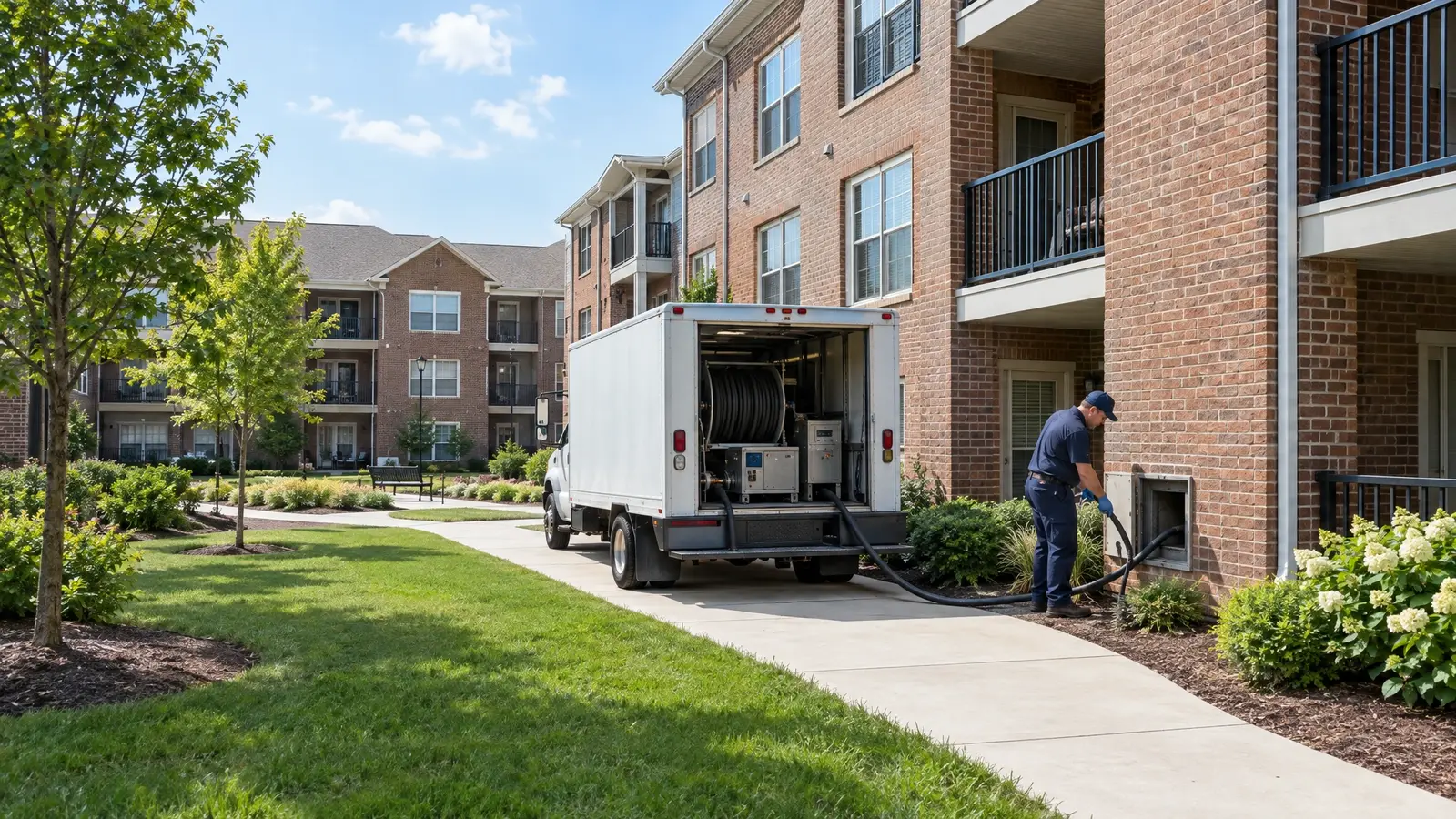 Property ManagersOne call for every building: scheduled cleaning, fast emergency response and clear records for multi-family and managed properties.Explore
Use the clog locator, ask the repair advisor or ballpark the cost.
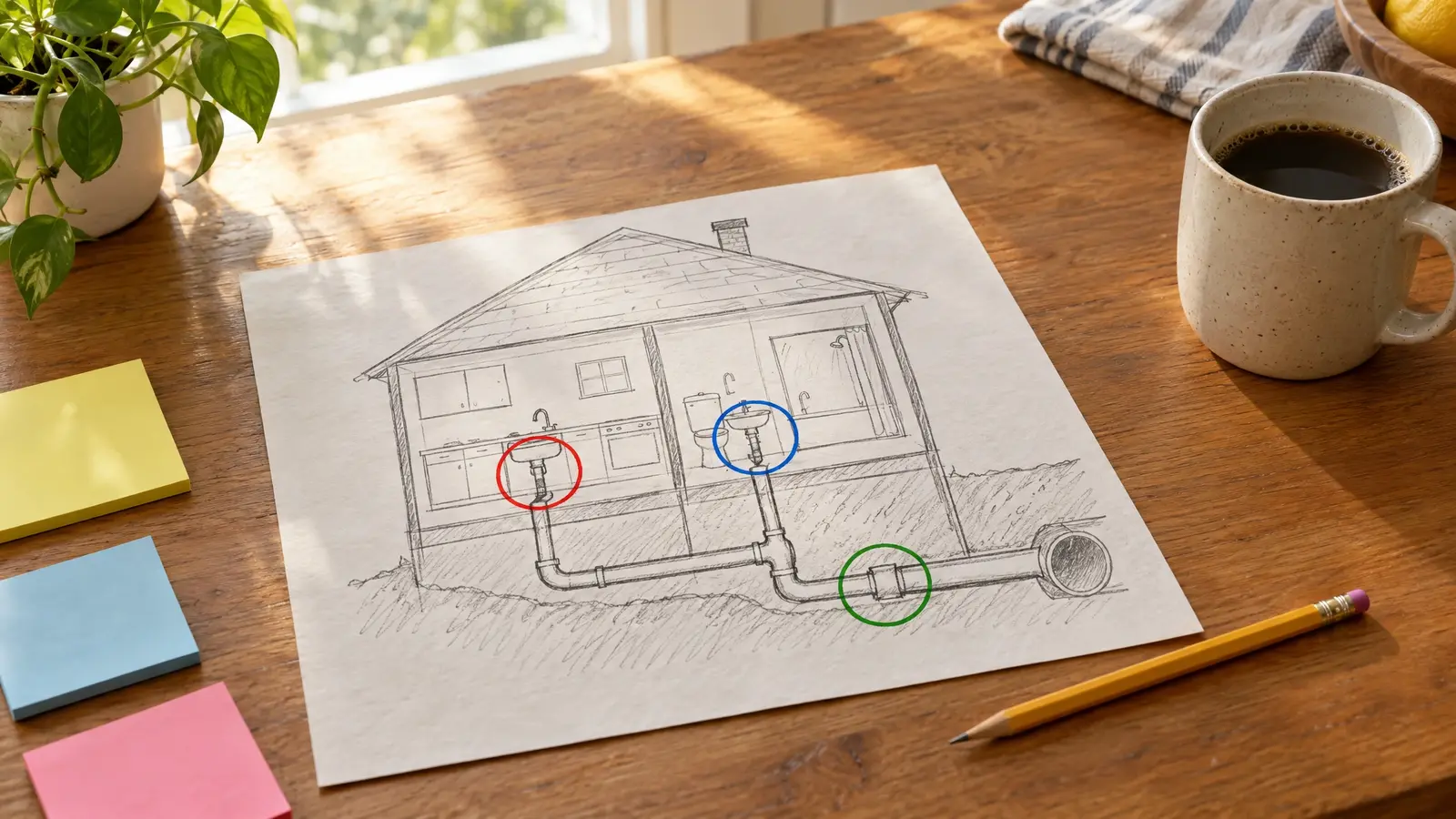 Clog LocatorTell us which fixtures are slow, gurgling or backing up and watch a cutaway of your home light up where the blockage probably is.Try it
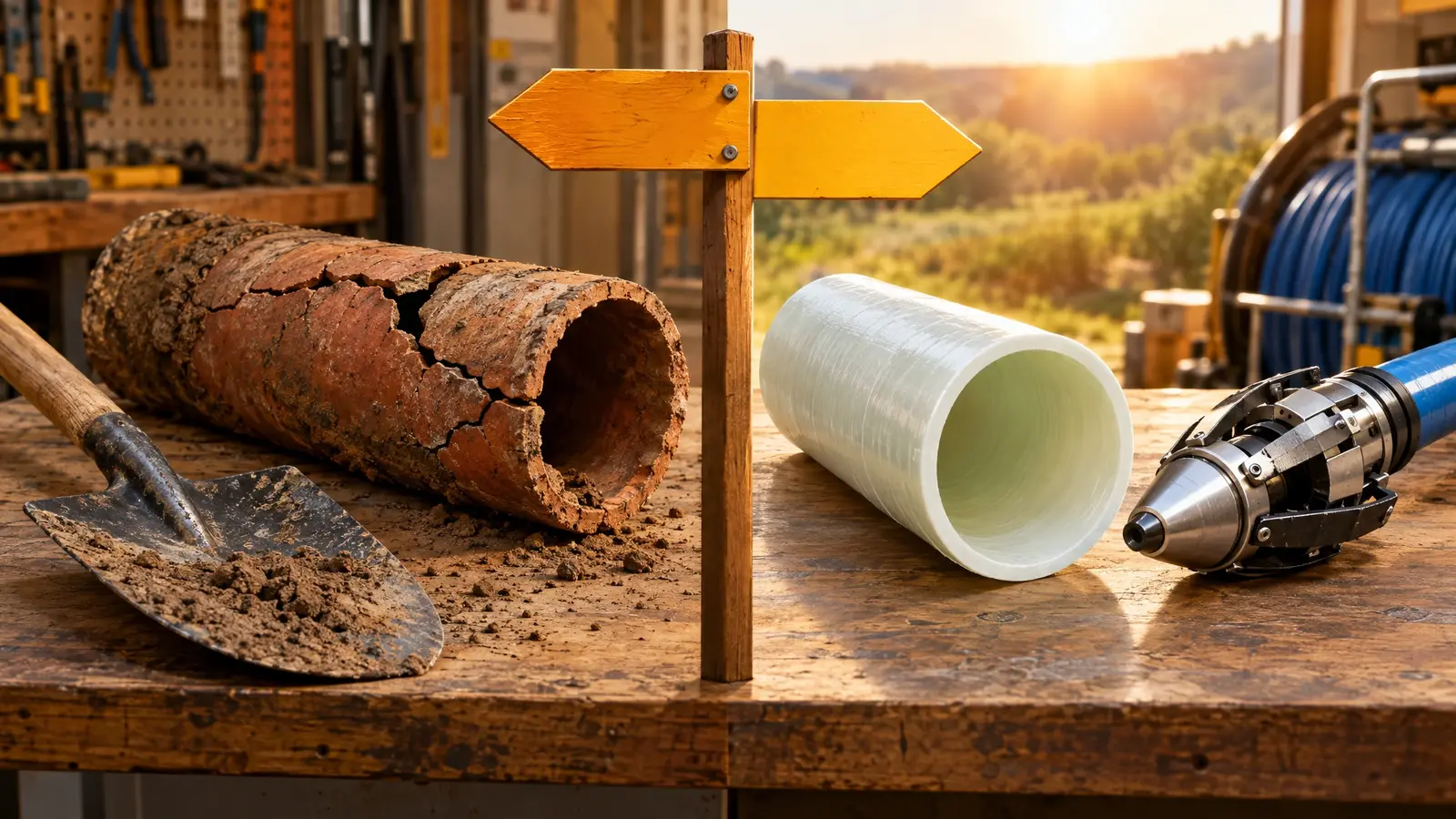 Repair or Replace AdvisorSix questions about your pipe and what the camera found, and we rank cleaning, spot repair, lining, bursting and replacement for you.Try it
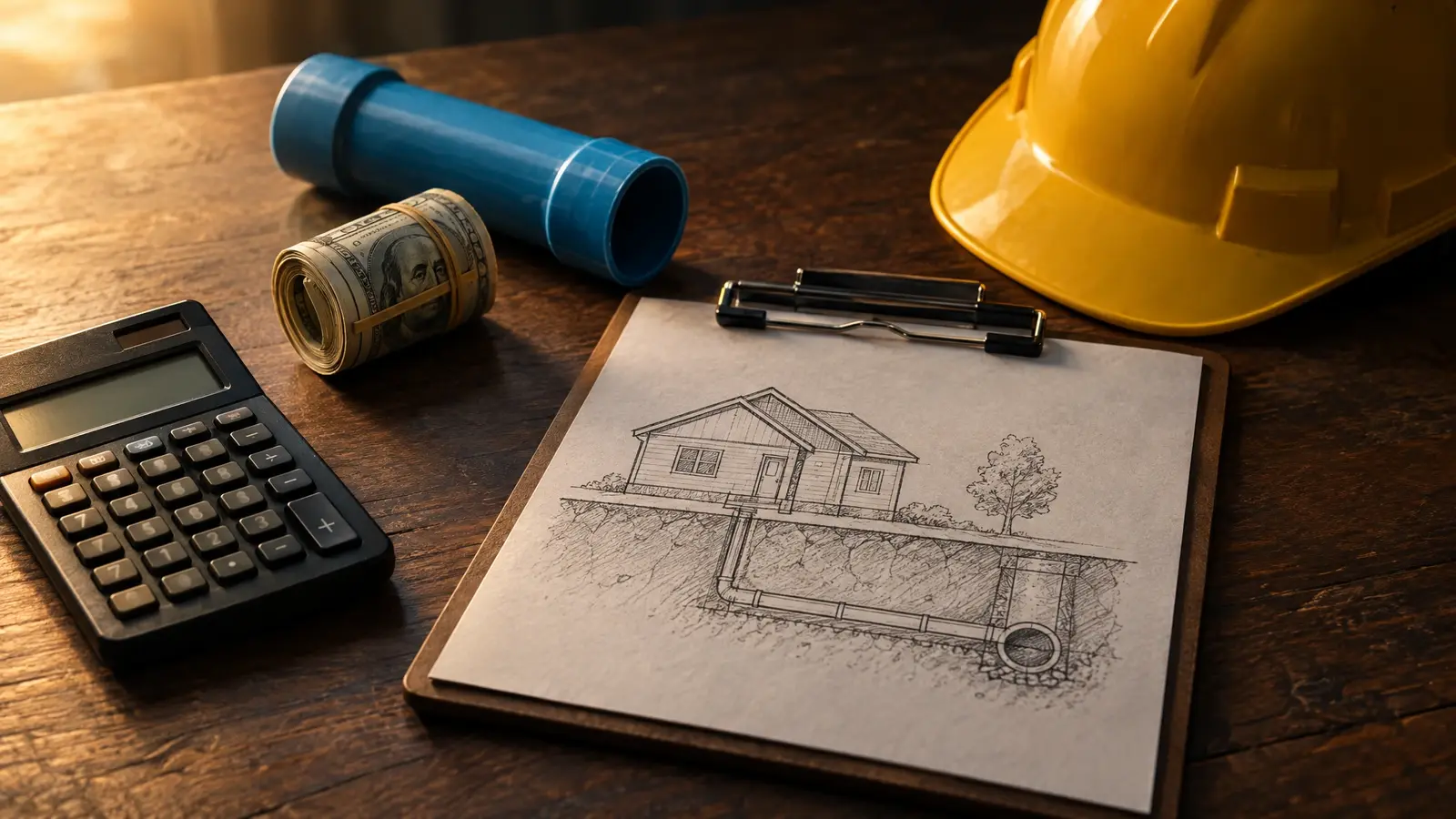 Drain and Sewer Cost EstimatorPick a job, a length and a few options and get a ballpark planning range with a monthly payment view.Try it
Many are designed as structural, and the product and thickness depend on the pipe and loads.
Slightly in diameter, but the smooth wall usually makes up for it.
Typically a few hours, depending on the method and length.
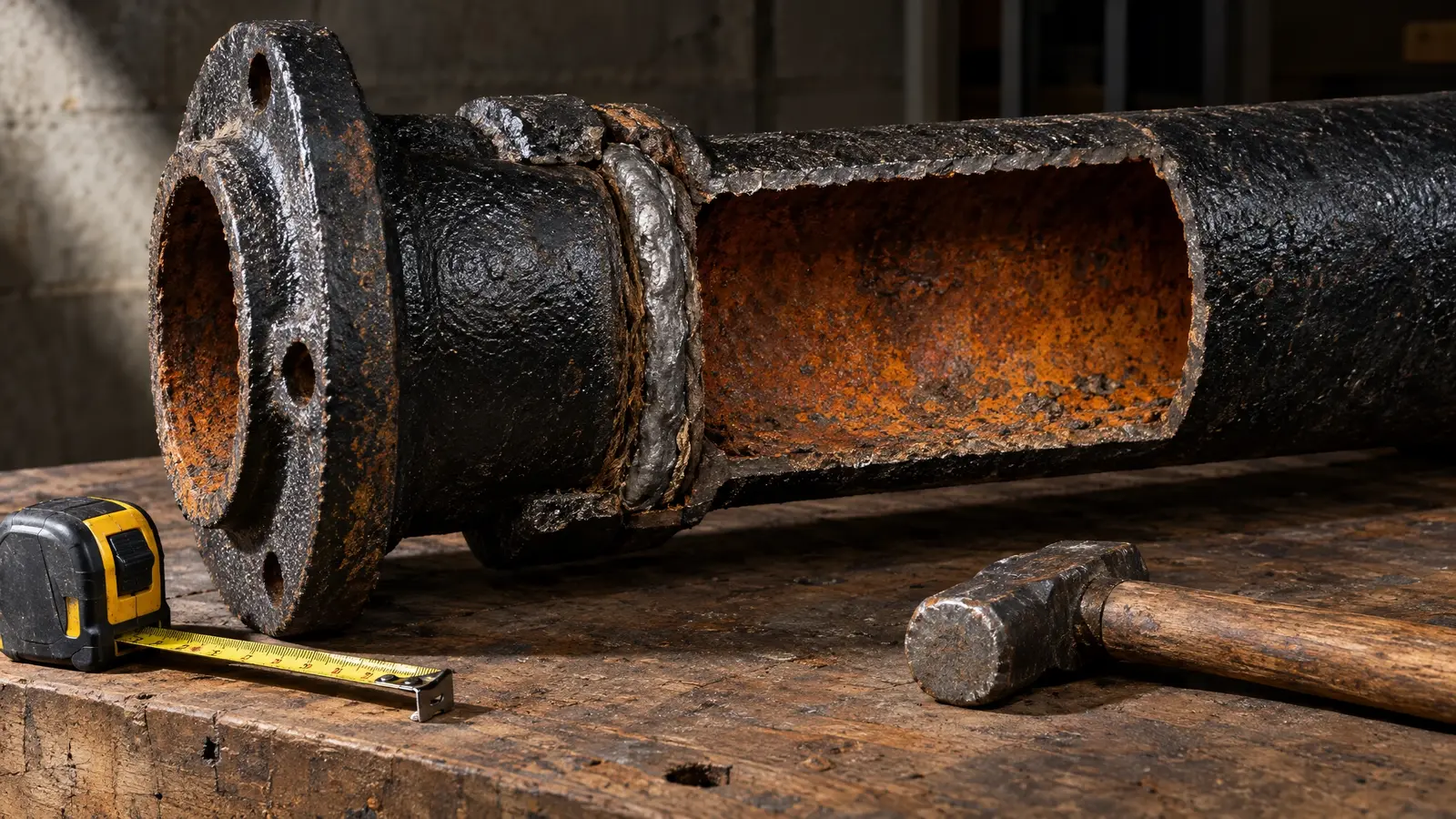 Pipe or methodCast IronTough and quiet, but it rusts from the inside after many decades. Common in homes built before the…Learn more
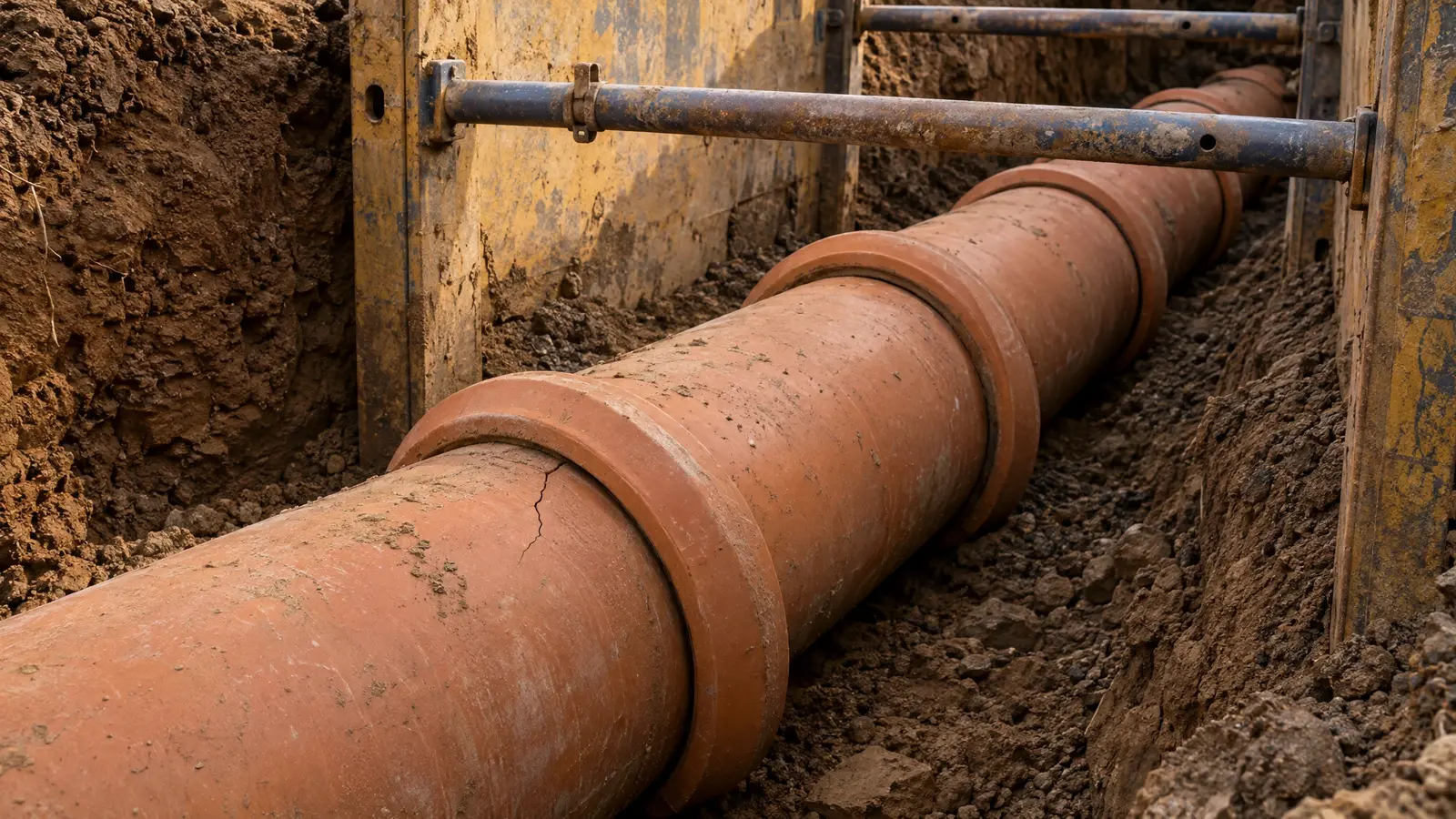 Pipe or methodClay TileRock-hard and long-lived, but the short sections and joints let roots in. Common in older sewer laterals.Learn more
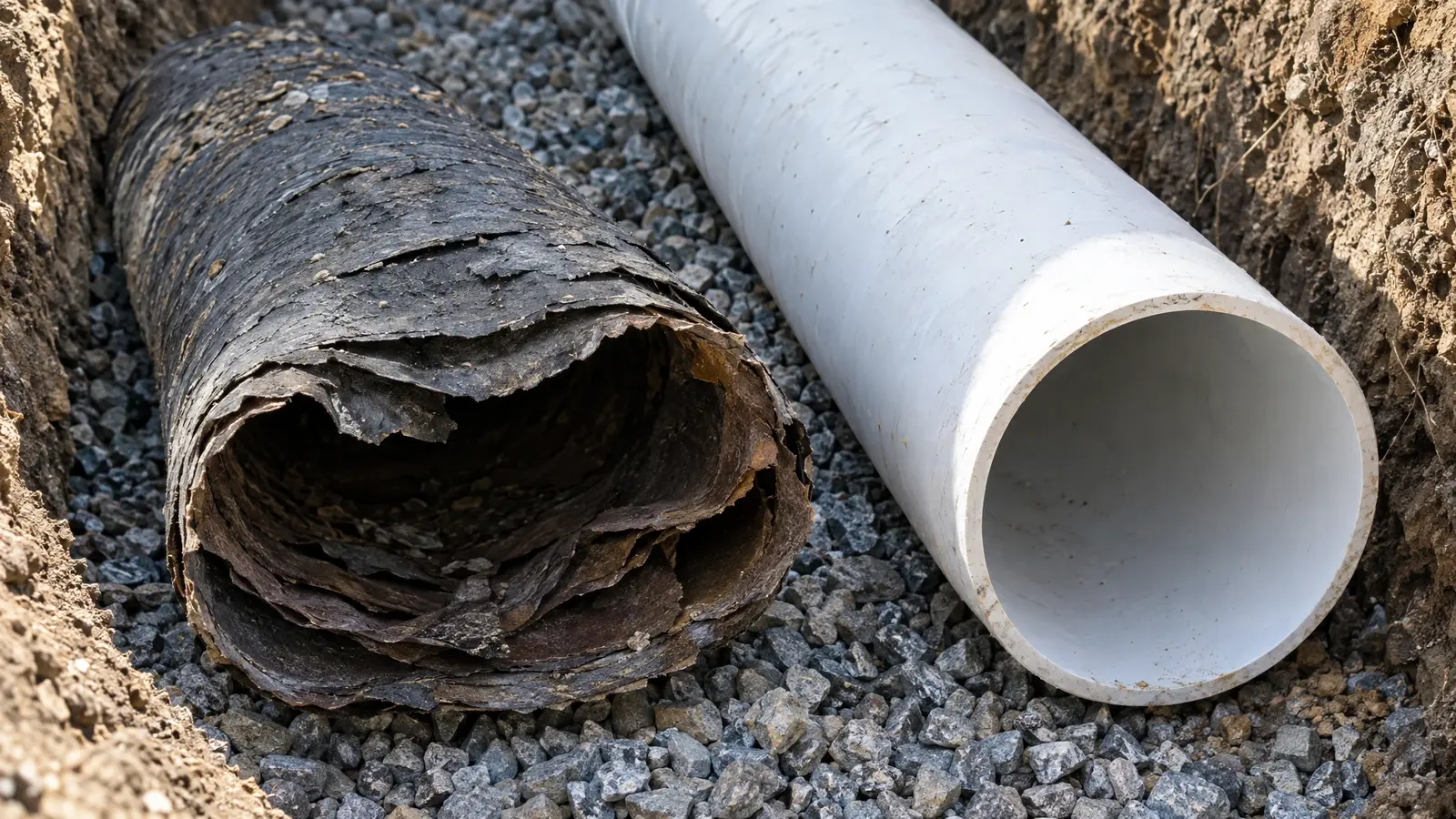 Pipe or methodOrangeburgTar-impregnated fiber pipe used mid-century. It softens, deforms and collapses, and it is rarely worth saving.Learn more
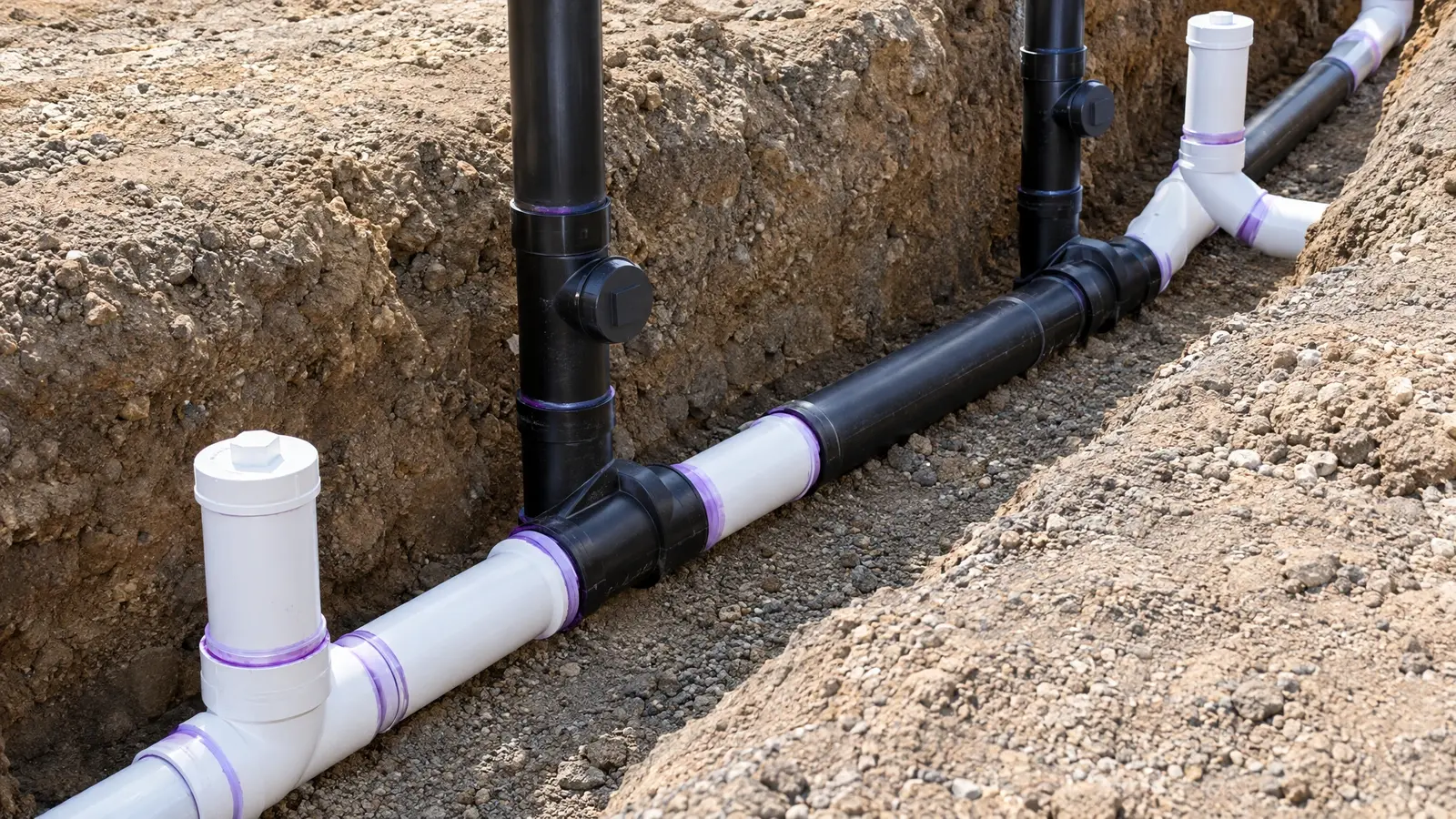 Pipe or methodPVC & ABSSmooth, light and corrosion-proof: the standard for new drain and sewer lines for decades.Learn more
Fast response, a camera to show you the cause and a clear price before we start.