How roots get in
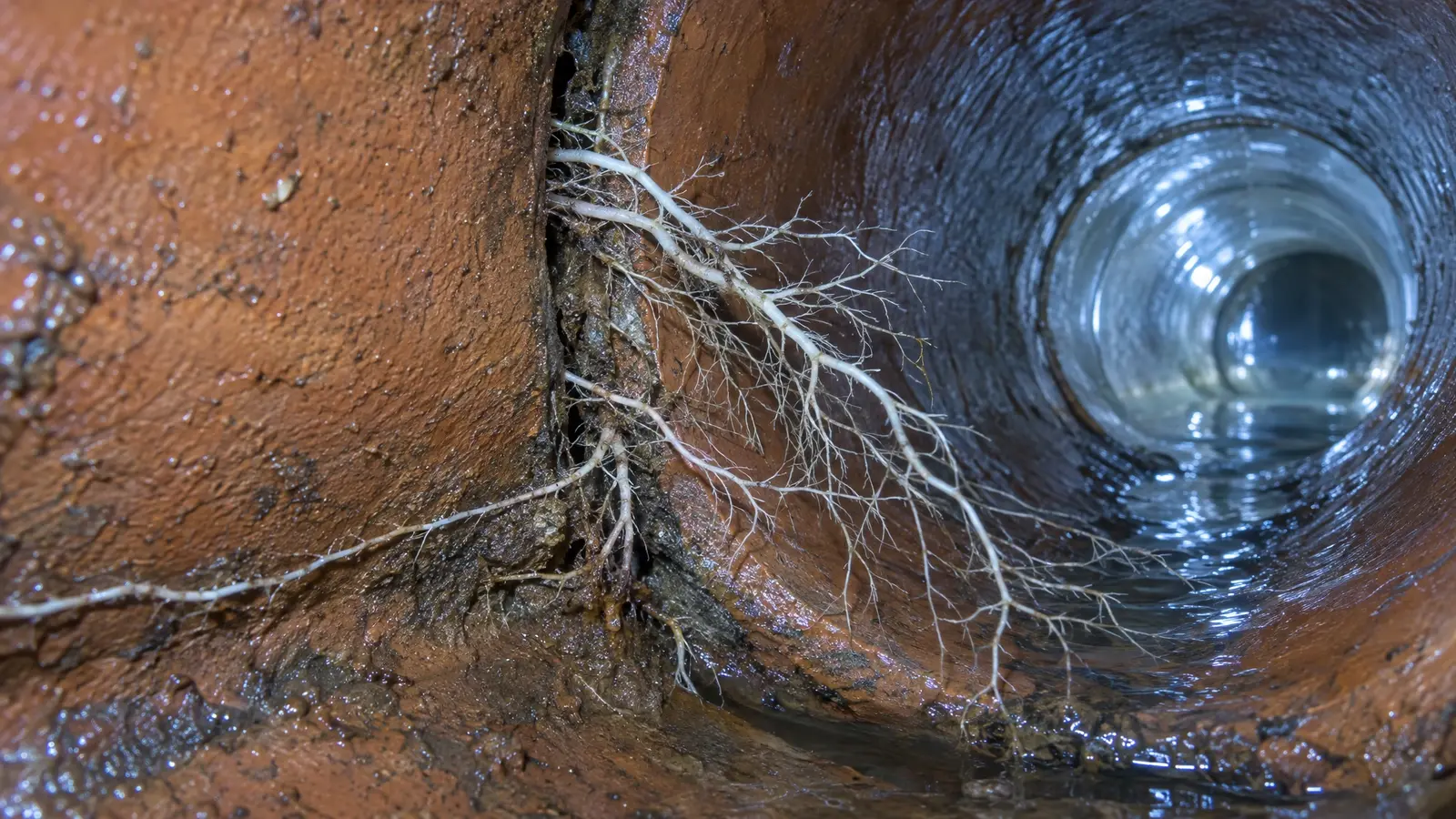
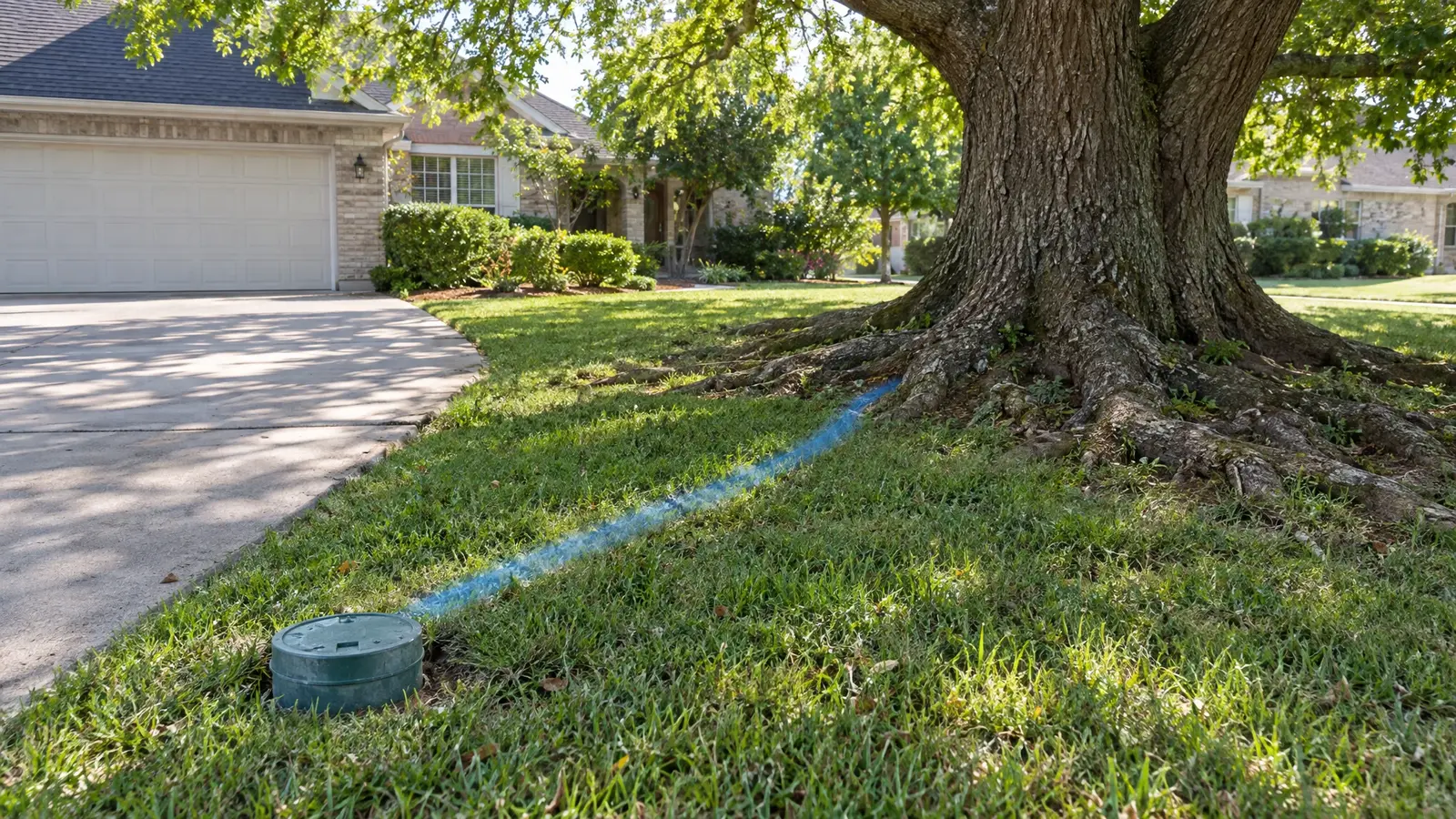
Roots do not break healthy pipe. They find openings: hairline cracks, joints that have shifted and poorly sealed connections. Once a single root hair enters, it thrives on the warm water and nutrients and grows into a mat.
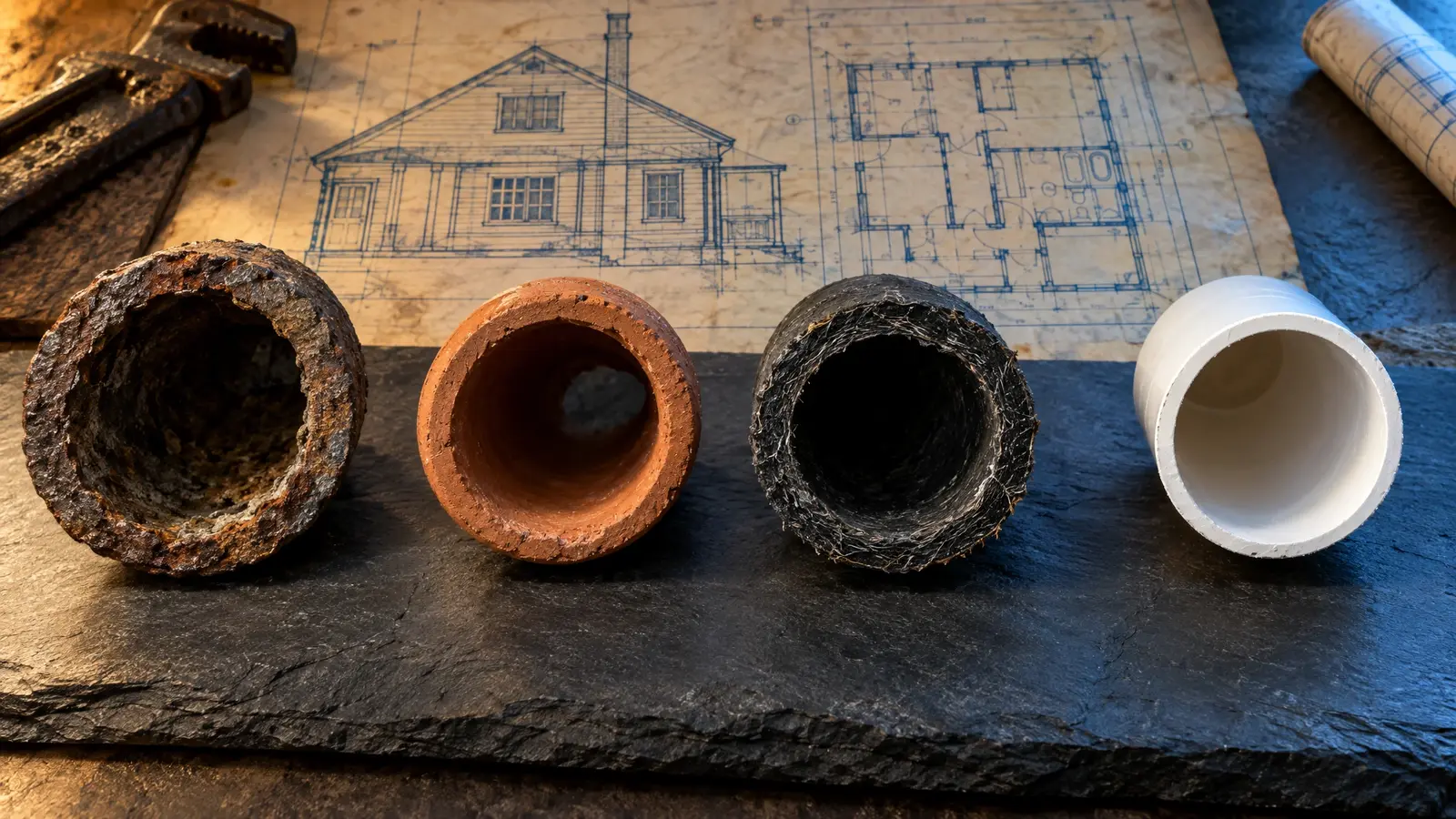
That is why older clay and cast iron lines, with many joints, are the most affected.
Warning signs
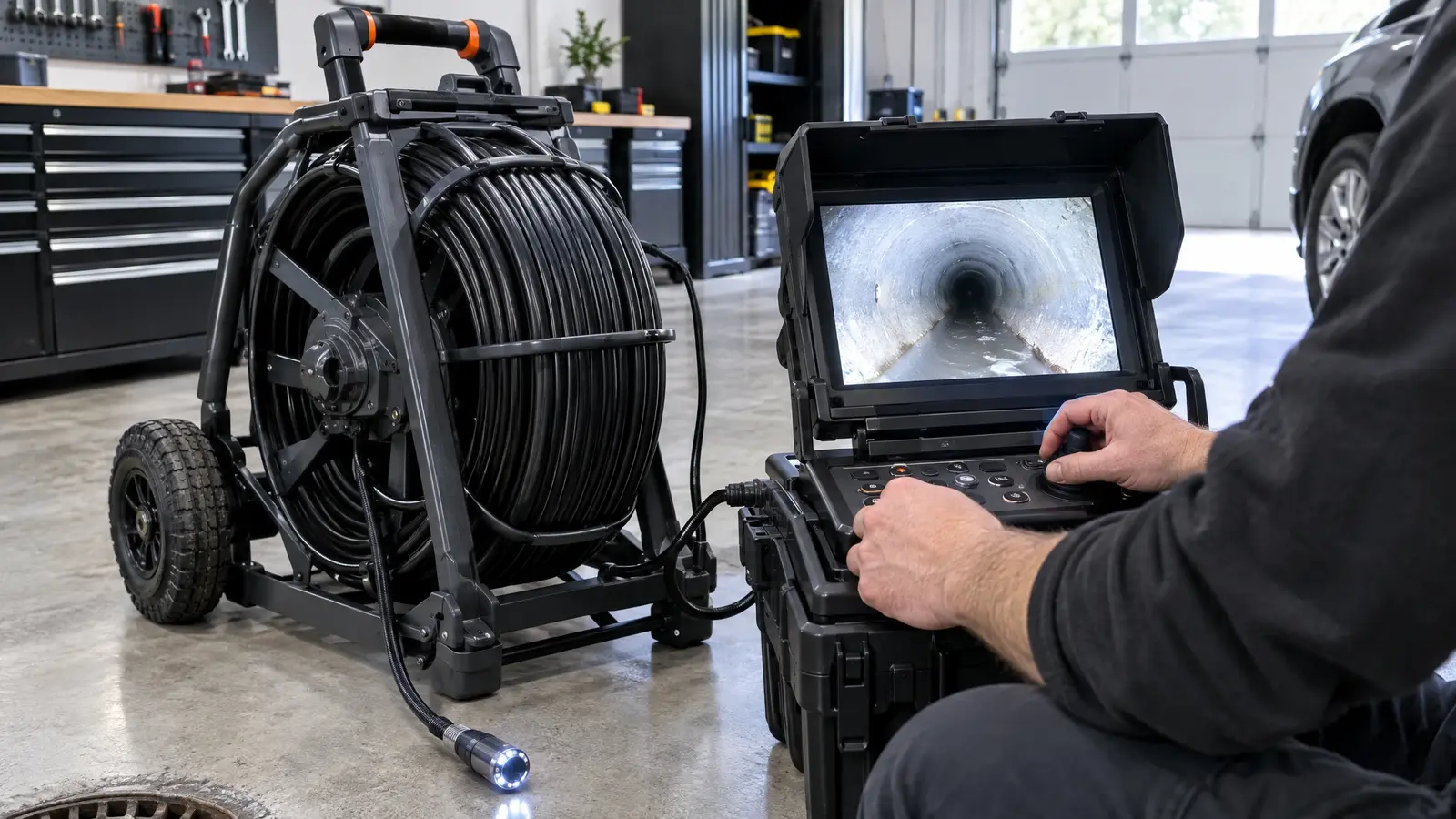
Slow drains, gurgling toilets and repeat clogs that clear and return within weeks or months are classic. A camera shows the roots directly, so you can see how serious the intrusion is.
Short-term fixes
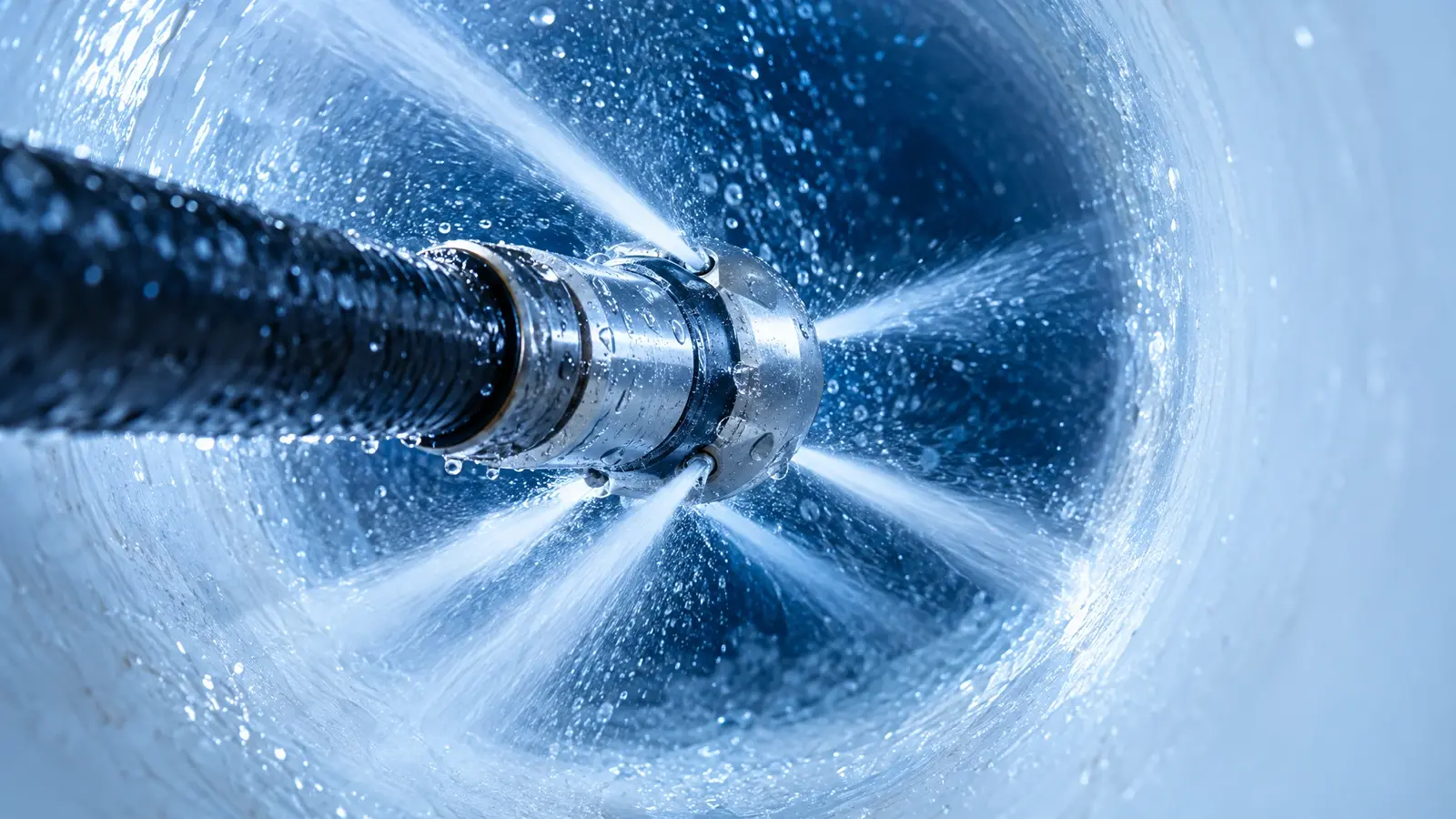
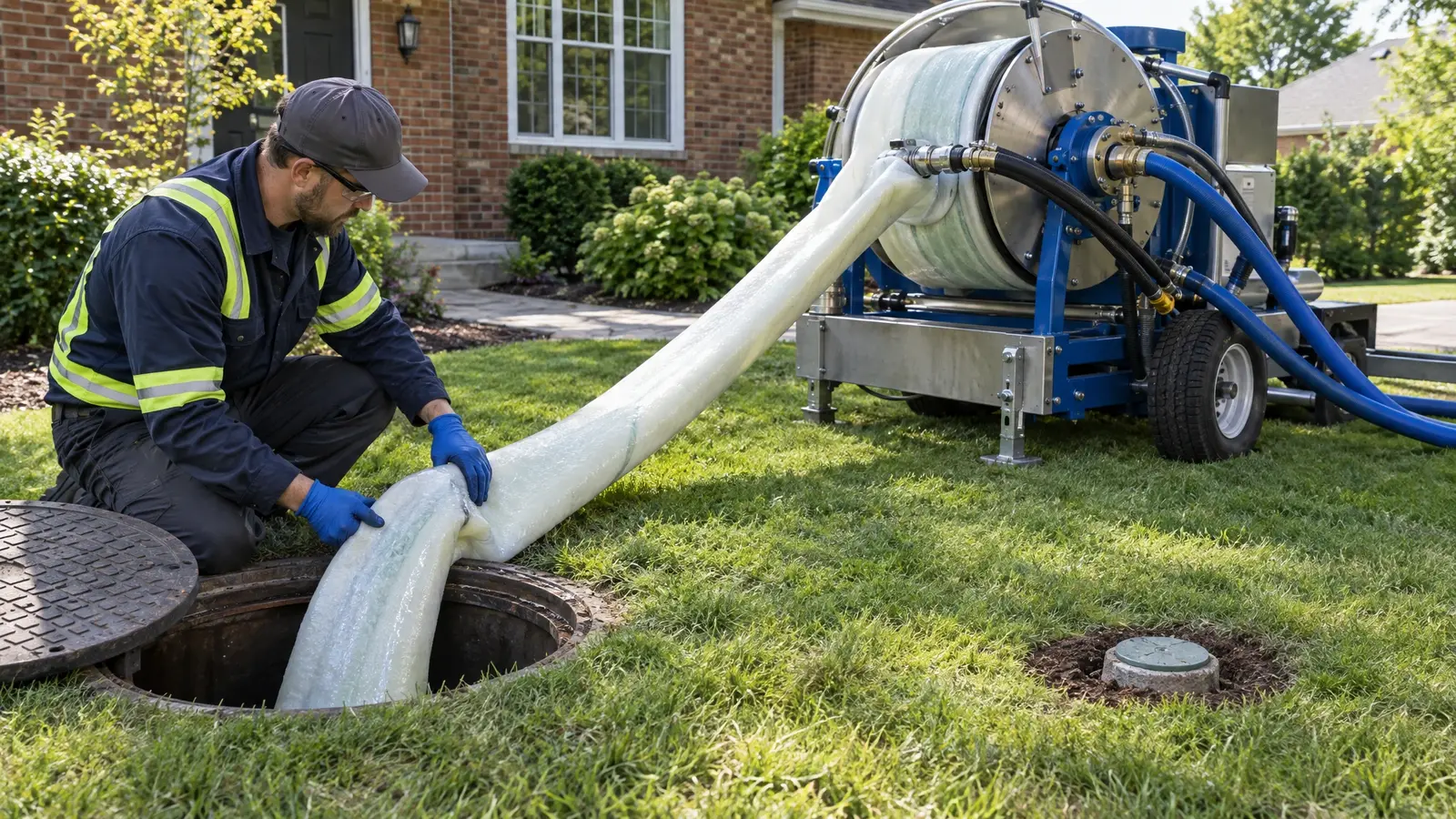
Cutting with a root cutter or jetting removes the roots and restores flow. It is the right answer when the line is otherwise sound or while you plan a repair. Chemical foams can slow regrowth but do not seal the opening.
Permanent fixes
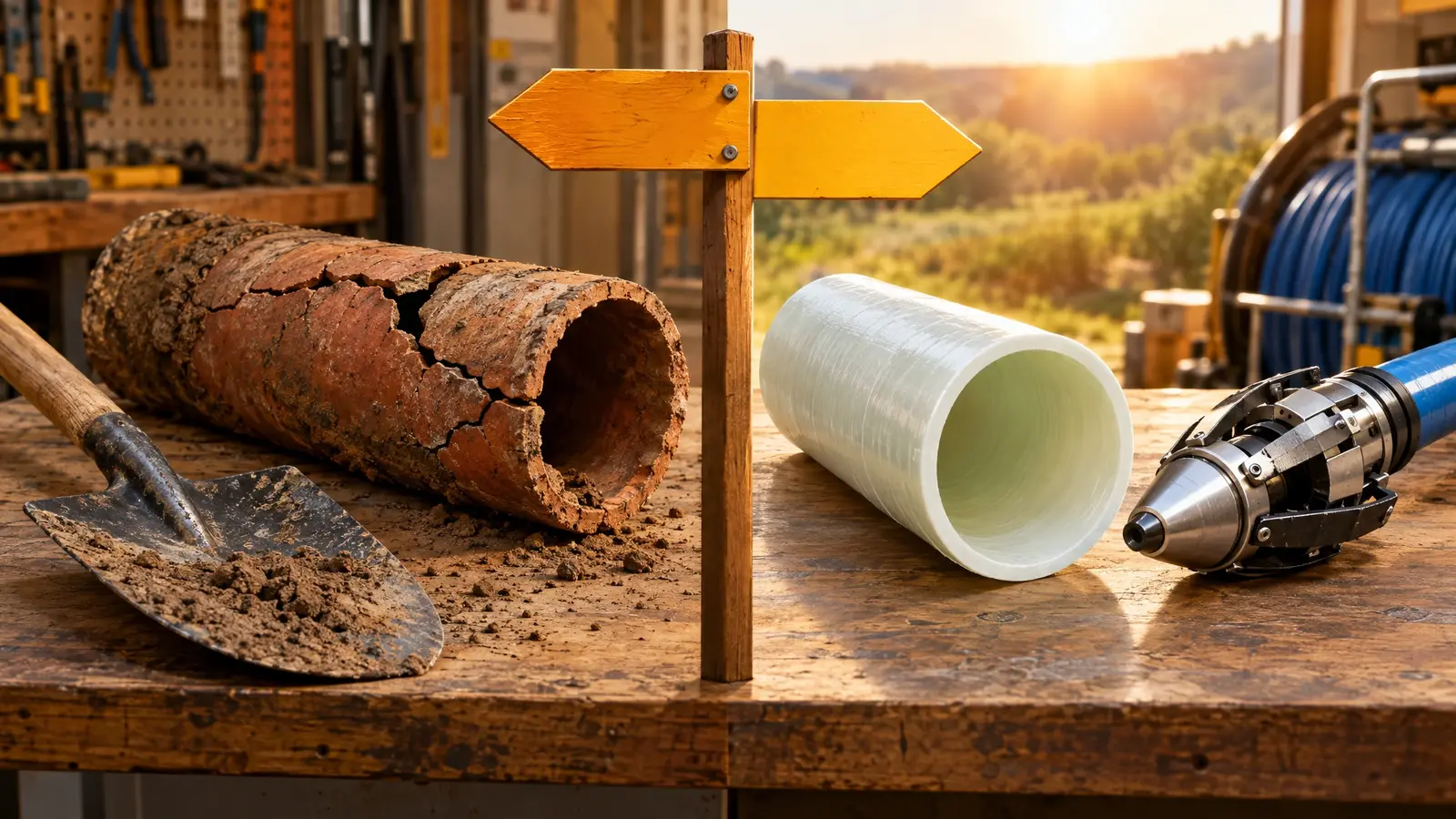
Lining or a spot repair seals the cracks and joints so roots cannot enter. Replacing old pipe with PVC or HDPE does the same. These fixes let you keep your trees.
Planting and protecting
Plant trees well away from the sewer route and choose species with less aggressive roots. Know where your line is by having it located before planting, and keep the cleanout accessible.
Cut the roots to restore flow, then seal the pipe so they cannot return.