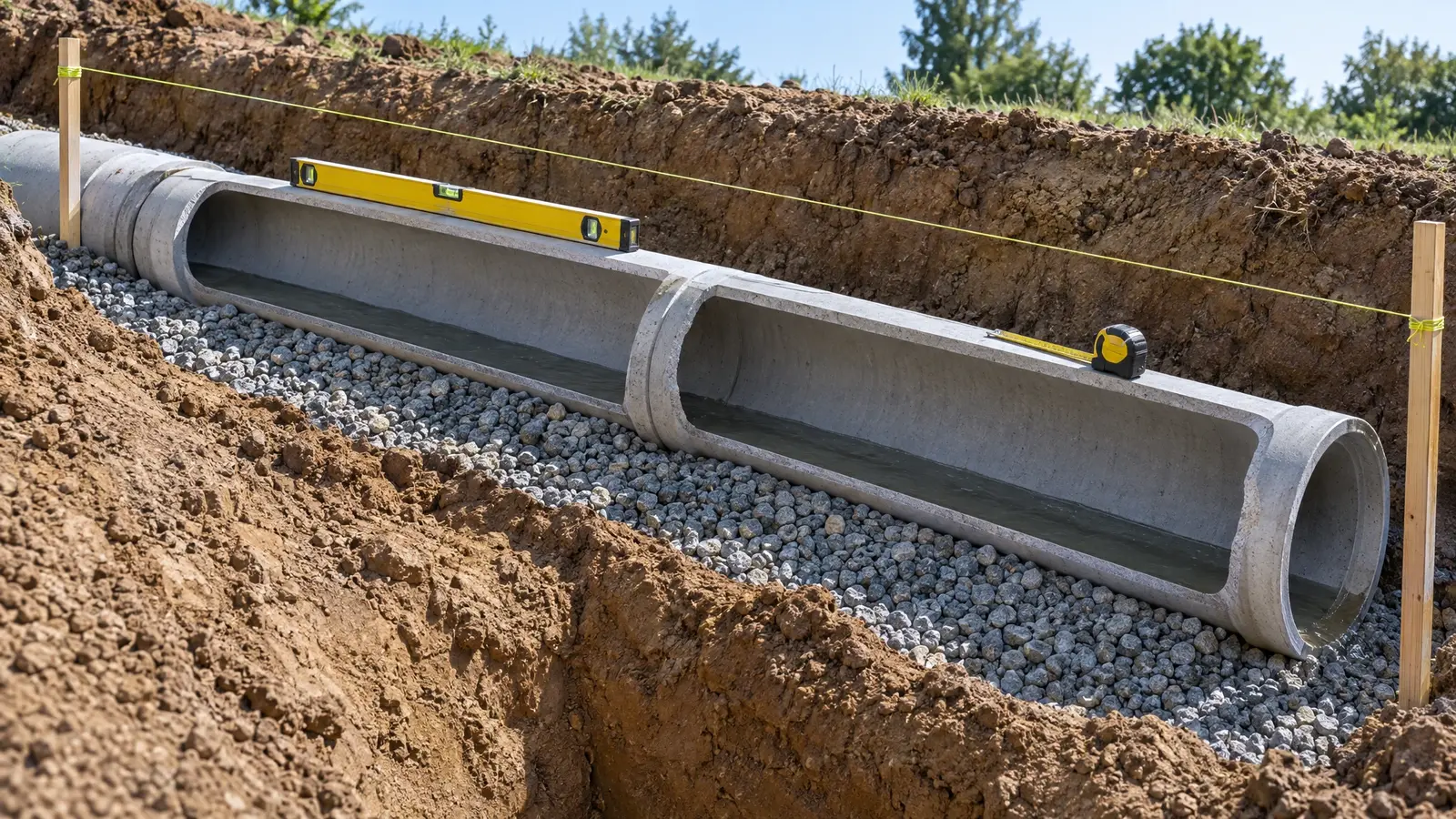
Enter a pipe length and the drop between two points and see the slope, a profile drawing and whether it meets the common quarter-inch-per-foot guideline.
These tools give planning-level estimates from typical values. They are not quotes, diagnoses or engineering, and results depend on your actual pipes, local rules and conditions. We confirm everything with a camera inspection and a clear written estimate.
Feet between the two points you measured.
The change in elevation in inches.
Inches per foot, percent grade and a profile drawing.
Whether it meets the common minimum, and what to do if it does not.
A common guideline is at least one quarter inch per foot, with local code setting the exact rule.
It lets gravity carry solids and water together. Flat spots collect debris.
Yes. A camera and locator show sags and slope problems.
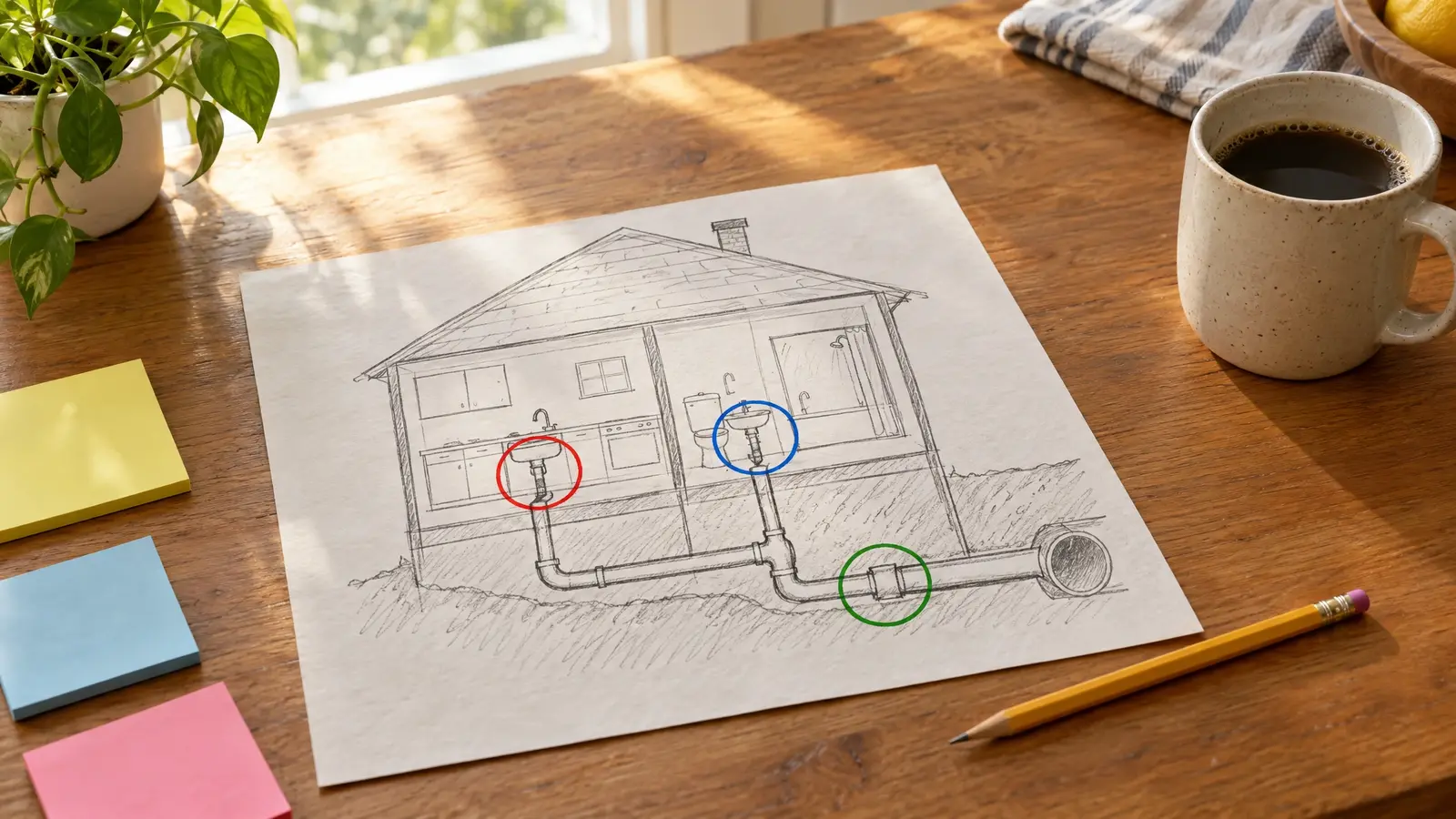 Clog LocatorTell us which fixtures are slow, gurgling or backing up and watch a cutaway of your home light up where the blockage probably is.Try it
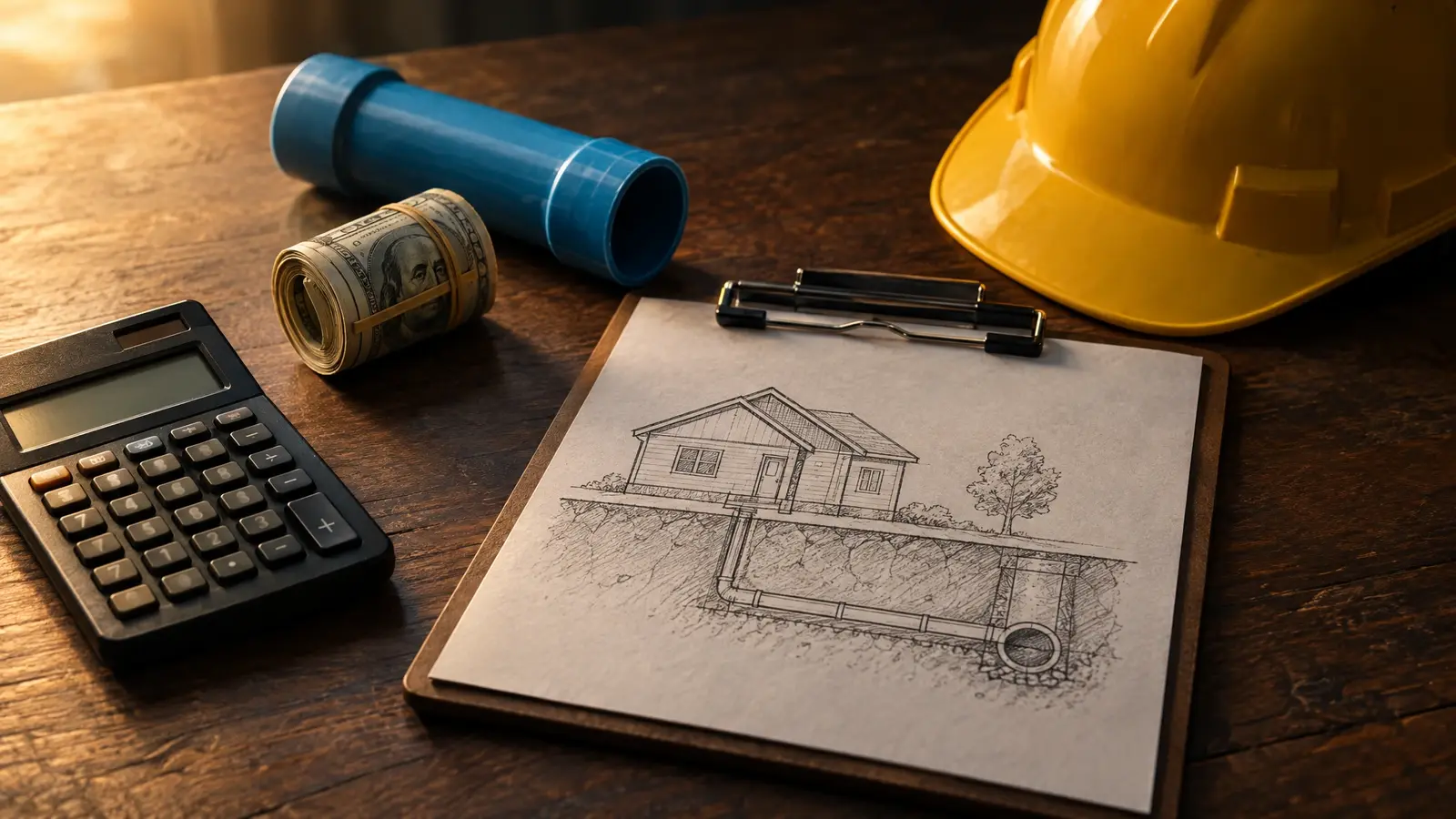 Drain and Sewer Cost EstimatorPick a job, a length and a few options and get a ballpark planning range with a monthly payment view.Try it
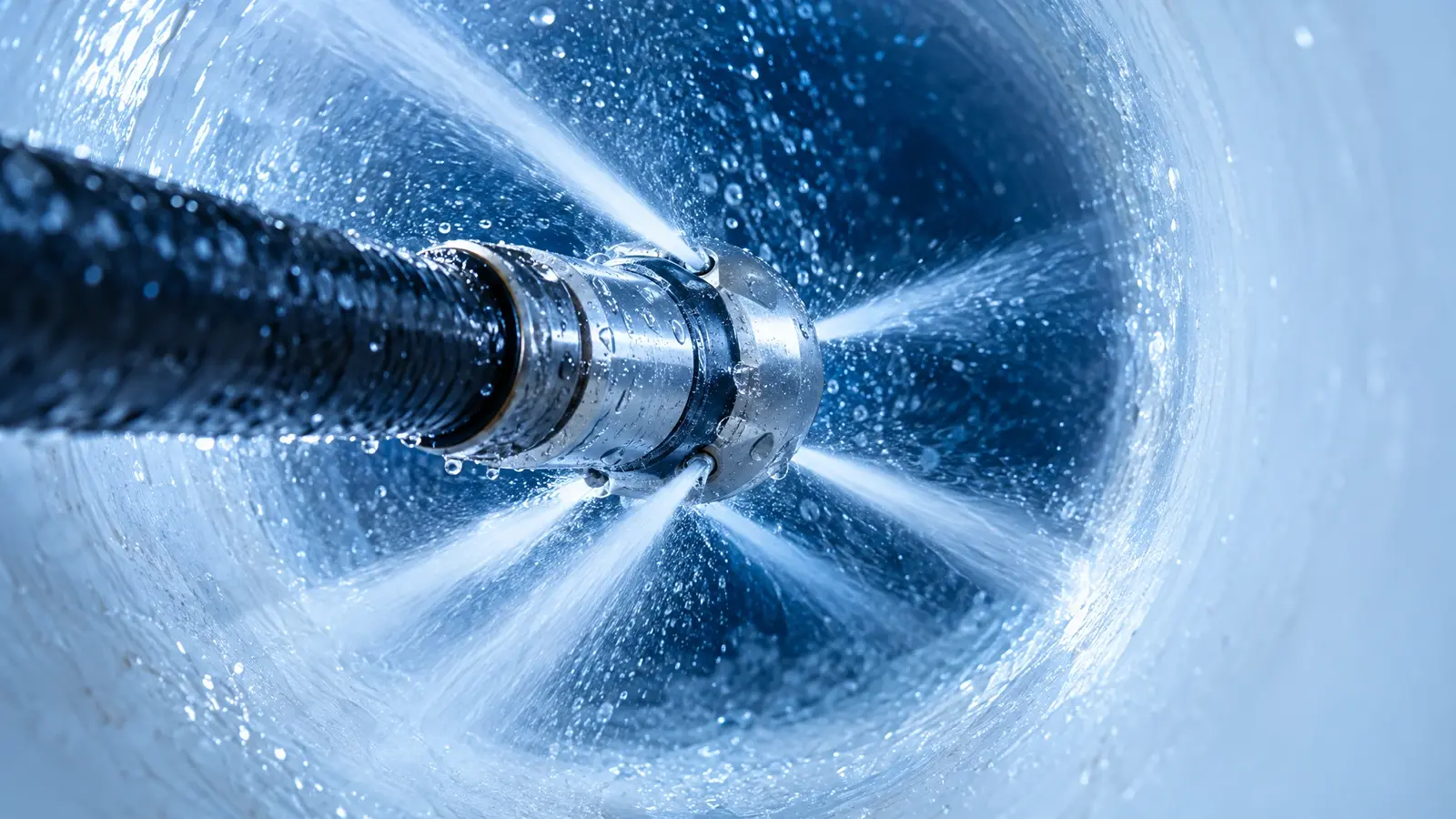 Hydro Jetting PlannerChoose pipe size, length and buildup and see a recommended nozzle, pressure range, passes and time estimate.Try it
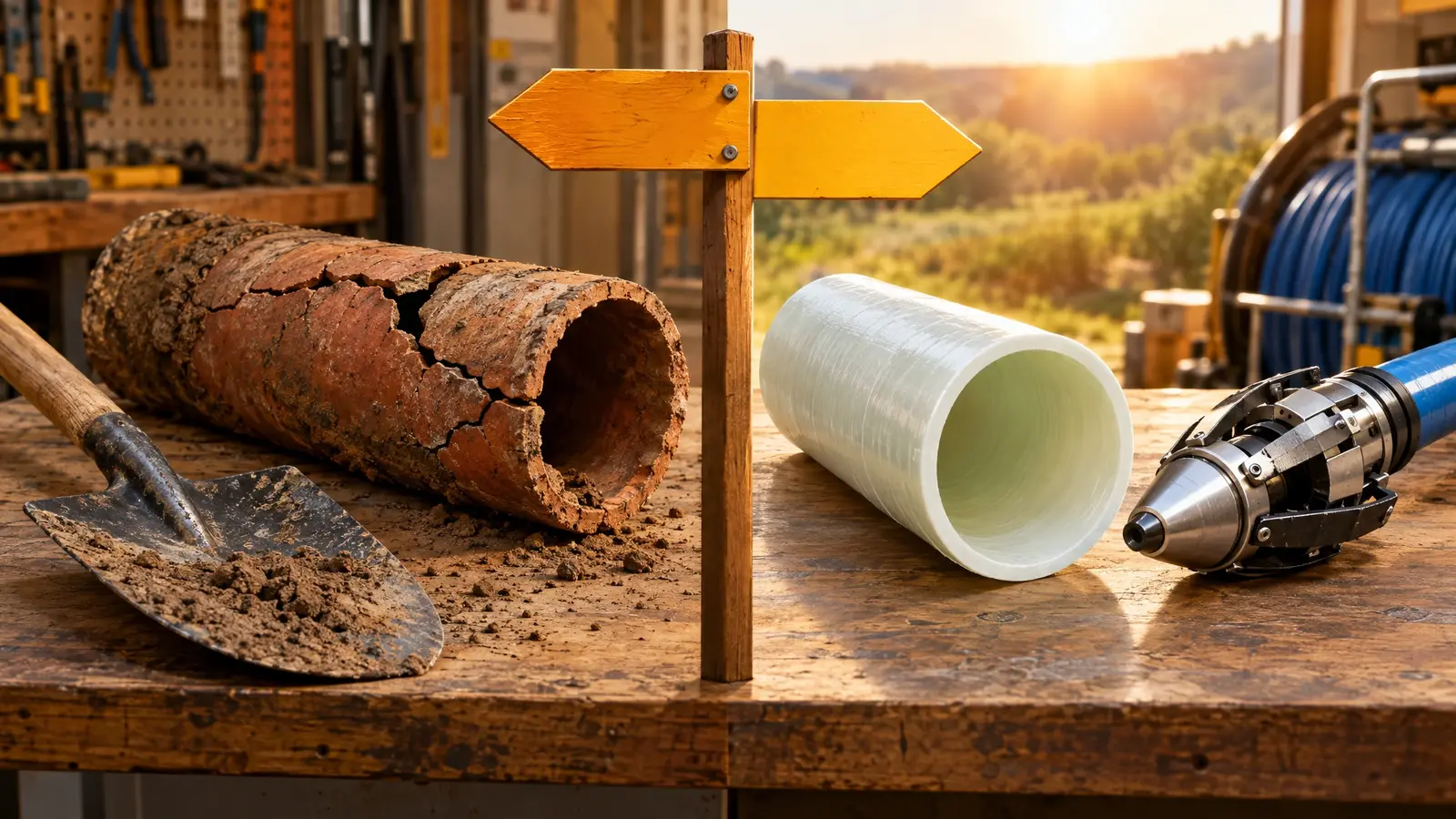 Repair or Replace AdvisorSix questions about your pipe and what the camera found, and we rank cleaning, spot repair, lining, bursting and replacement for you.Try it
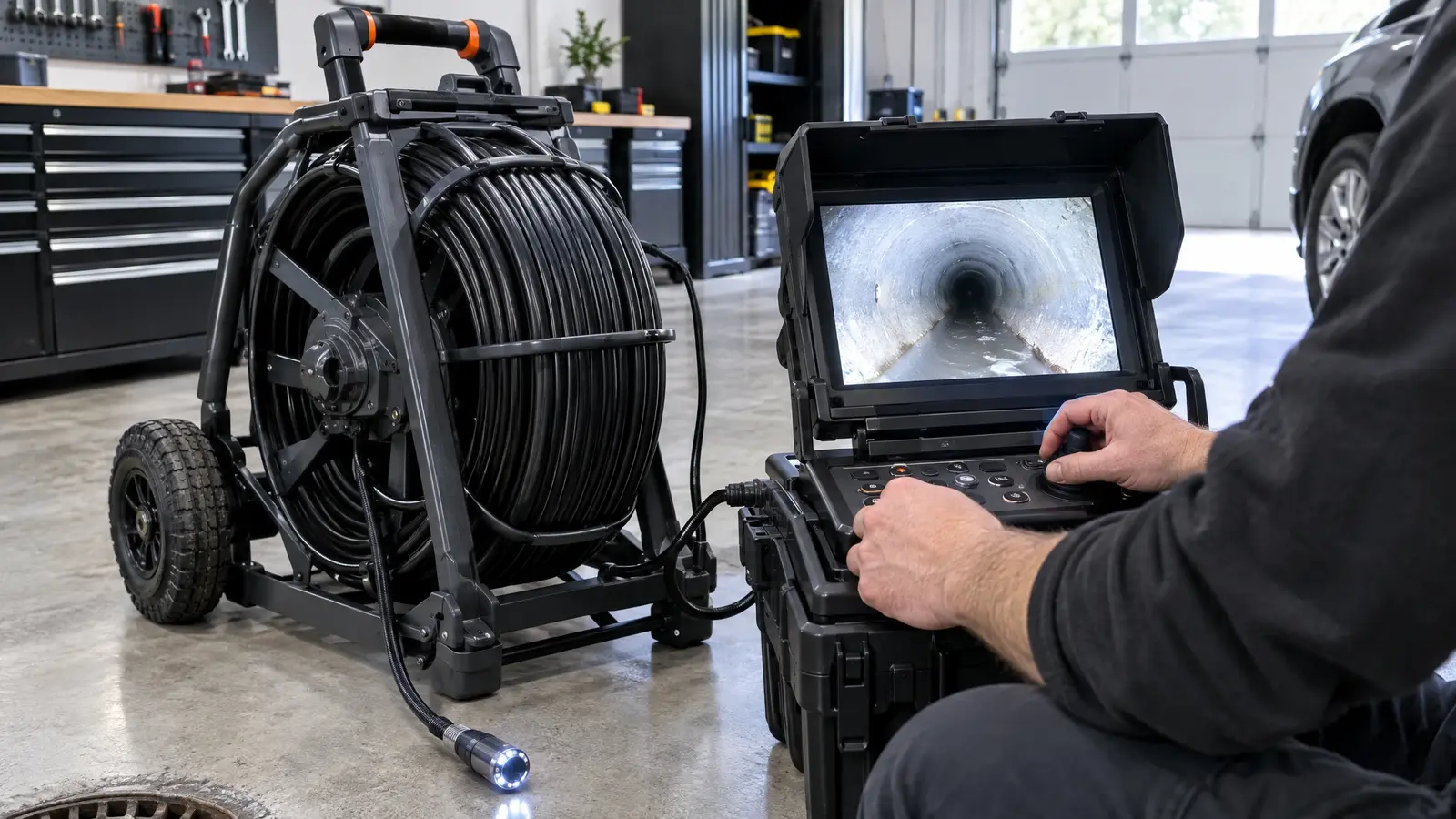 Sewer Camera InspectionSee inside your pipes. A camera inspection finds roots, cracks, sags and breaks, and gives you video proof.Explore
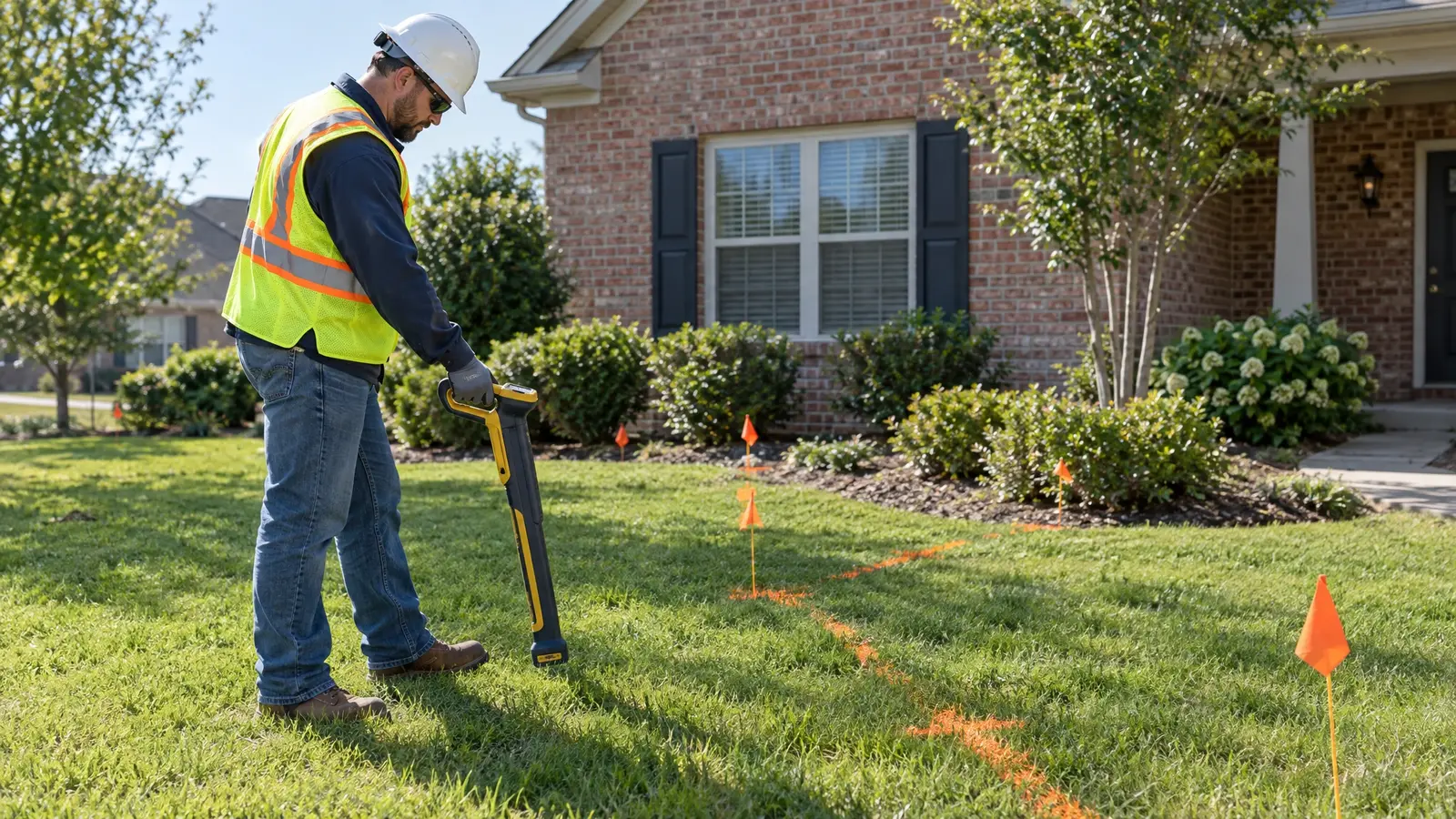 Line LocatingKnow exactly where your pipe runs and how deep it is before you dig, build, plant or repair.Explore
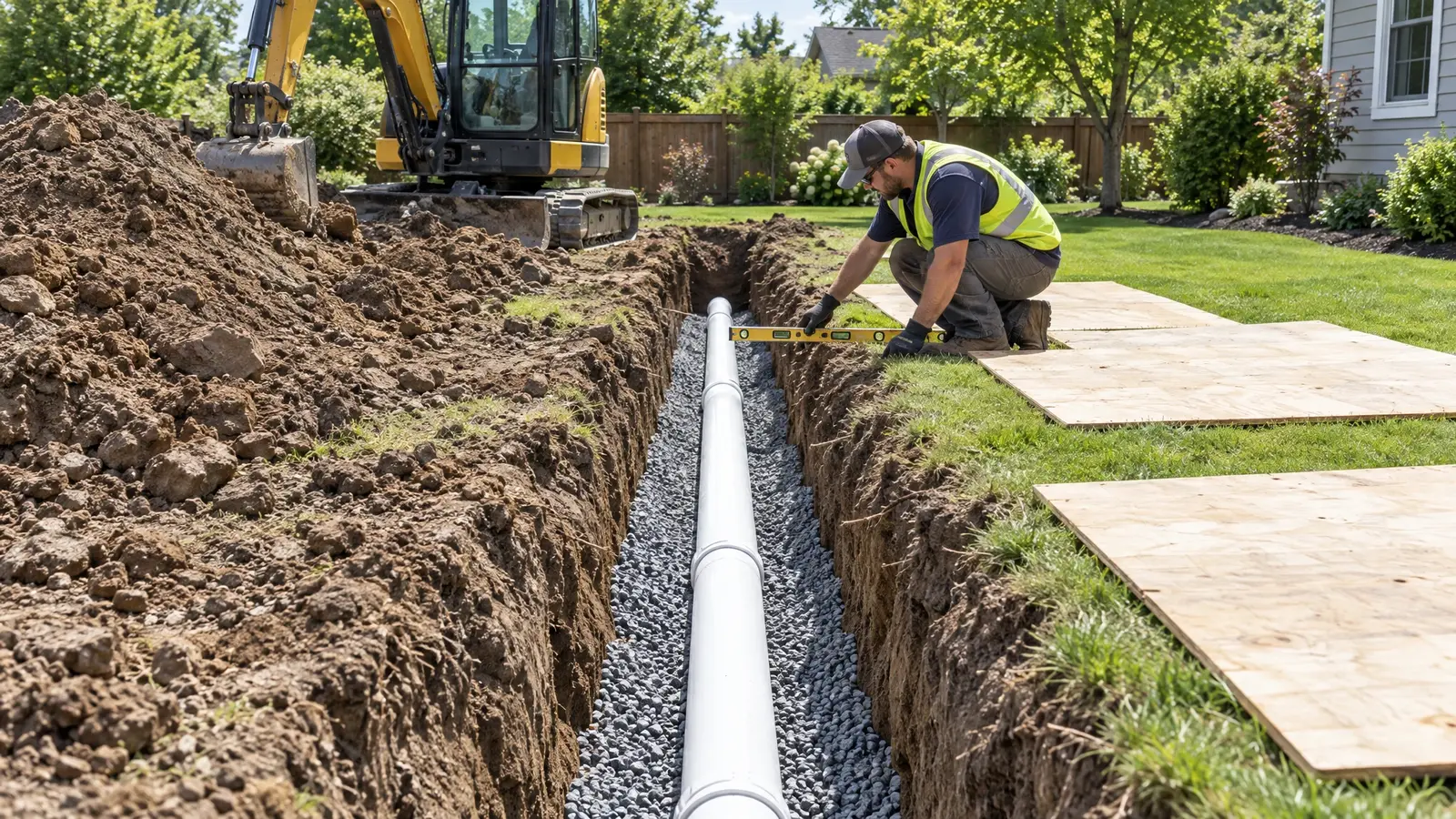 Sewer Repair & ReplacementWhen a sewer line is broken, collapsed or sagging, we repair it the way that makes sense for…Explore
Fast response, a camera to show you the cause and a clear price before we start.