Three ways to repair a sewer
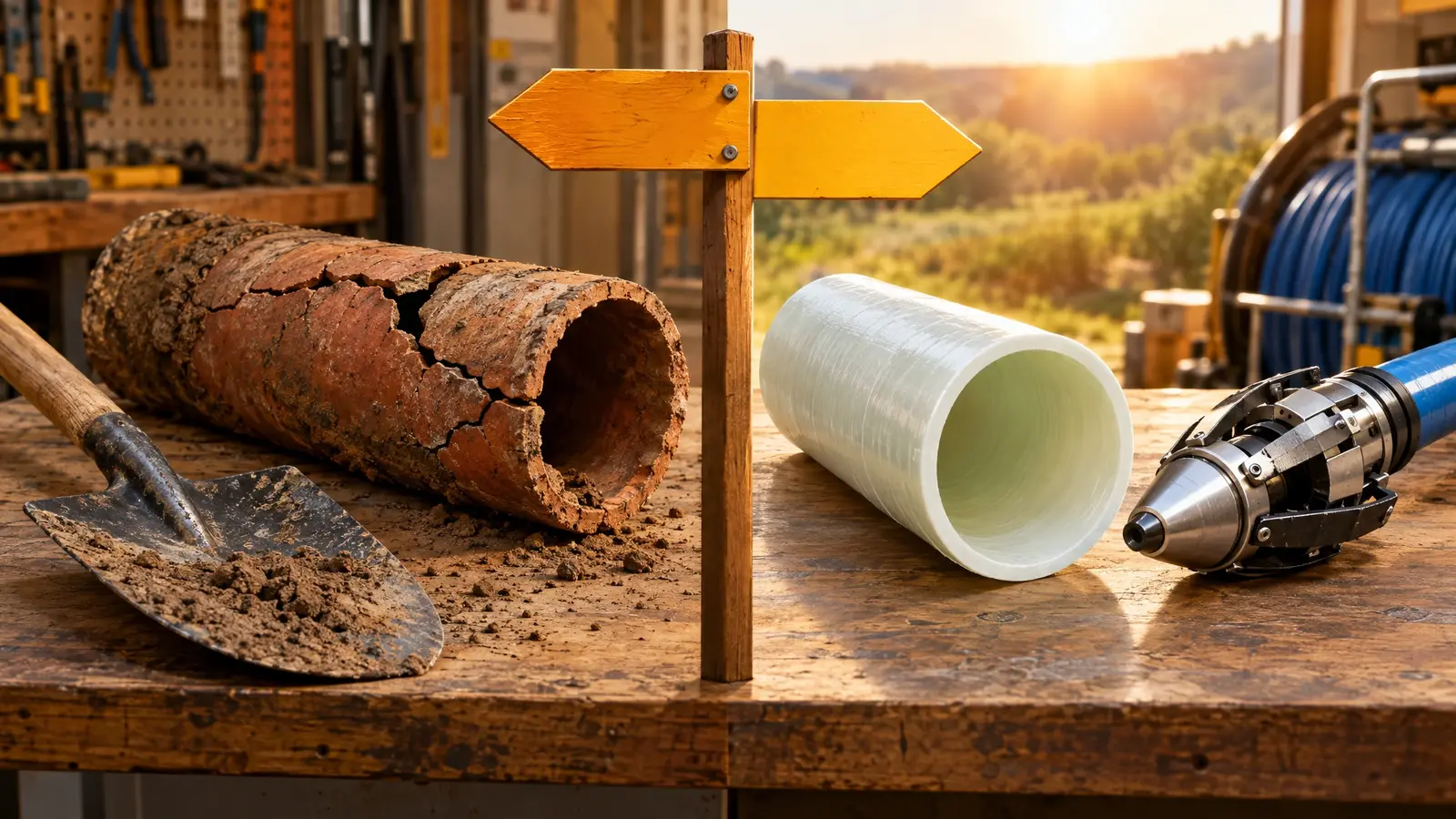
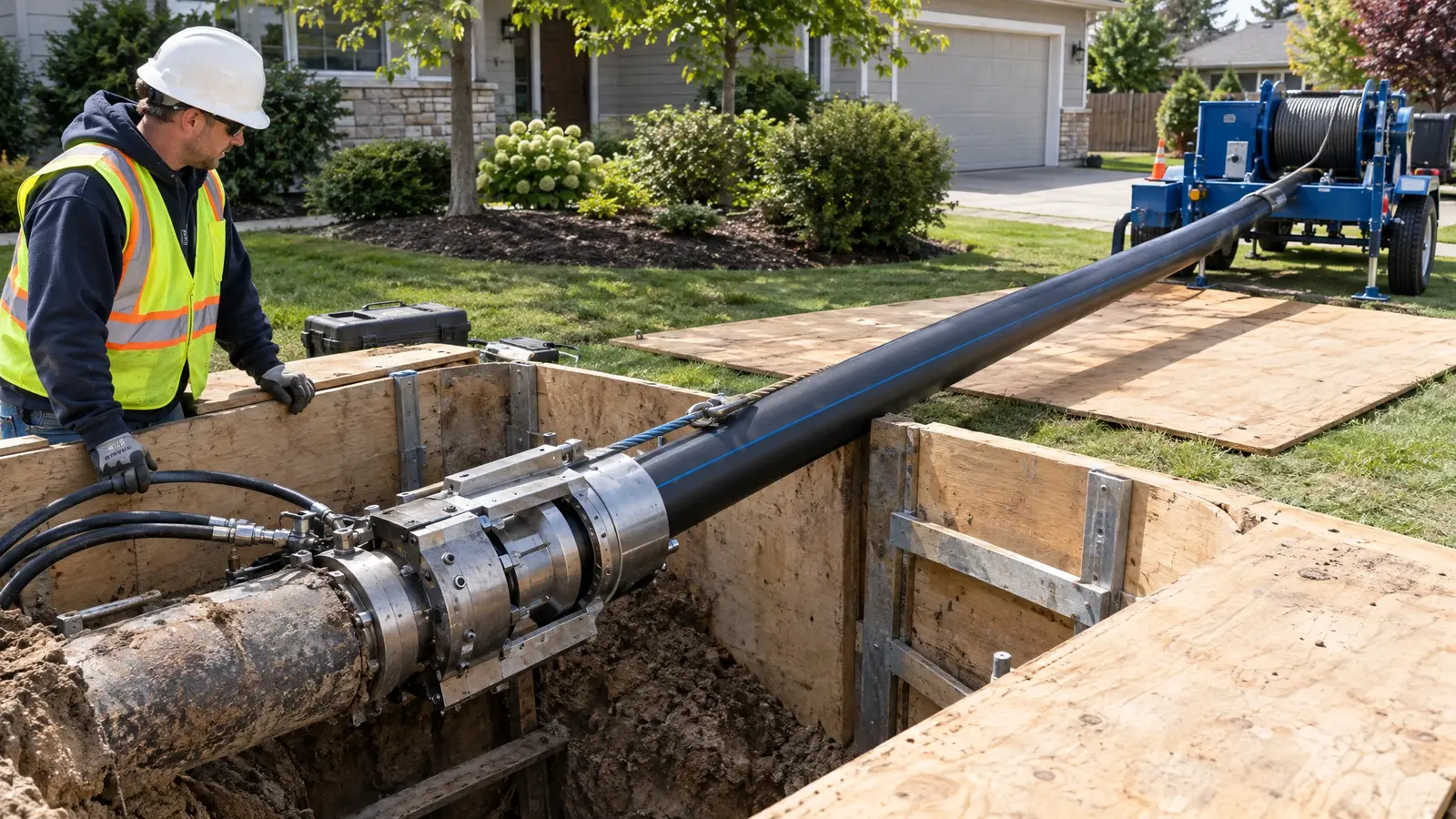
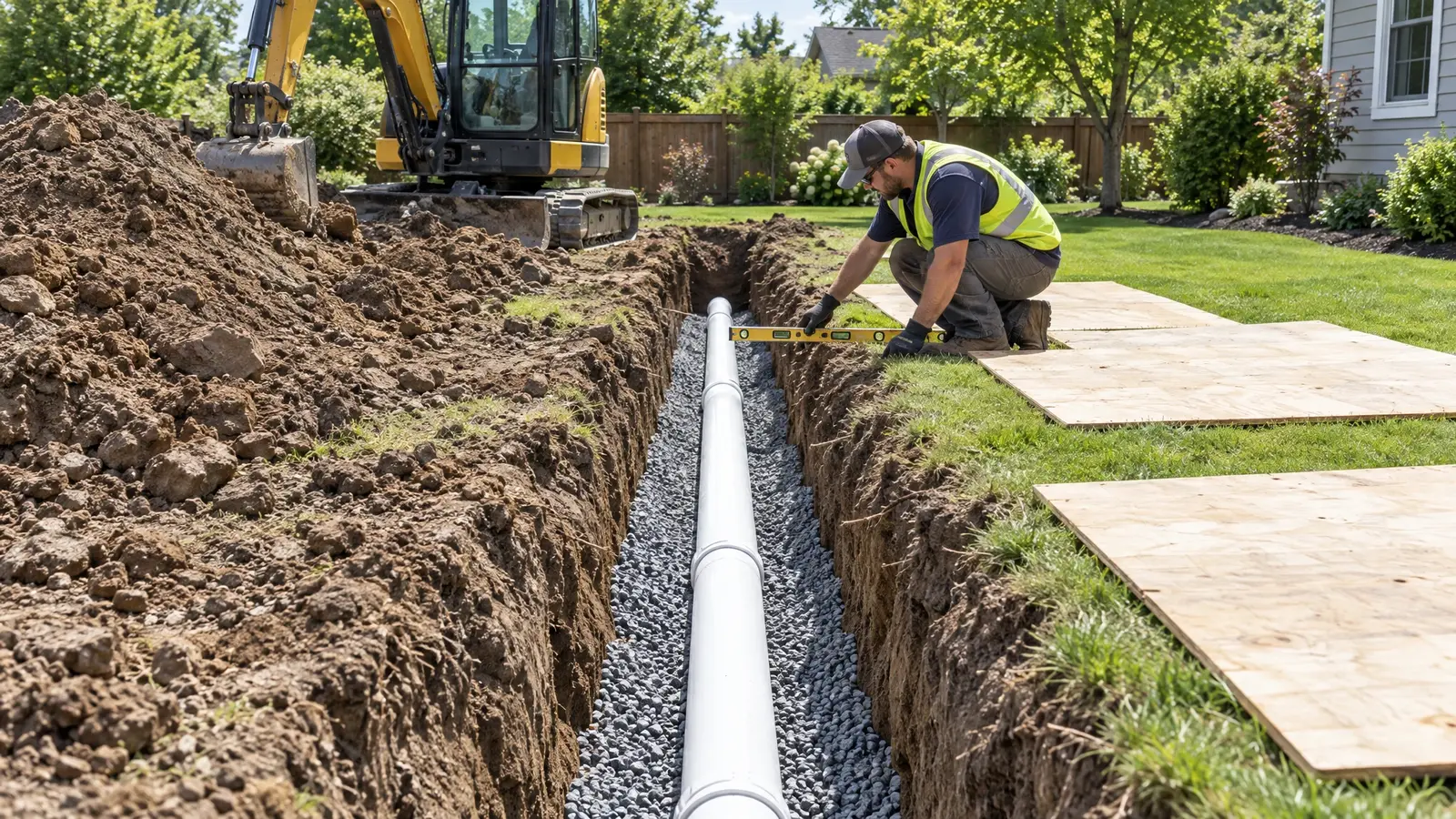
Open-trench replacement digs along the whole line and installs new pipe. Pipe lining installs a resin liner inside the existing pipe. Pipe bursting pulls a new pipe through the path of the old one, breaking the old pipe outward.
Each has a place, and the camera inspection tells you which fits.
When lining works
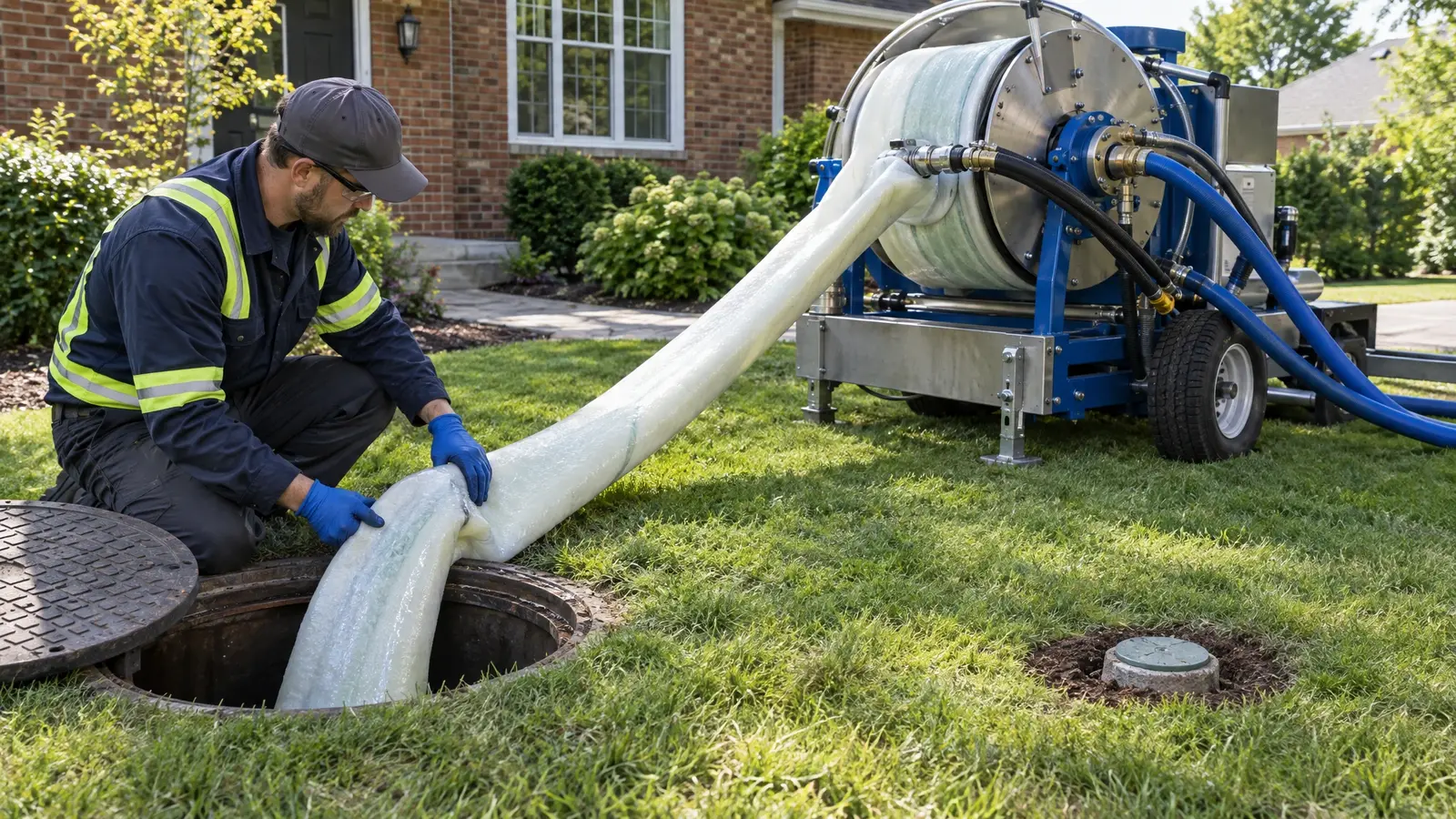
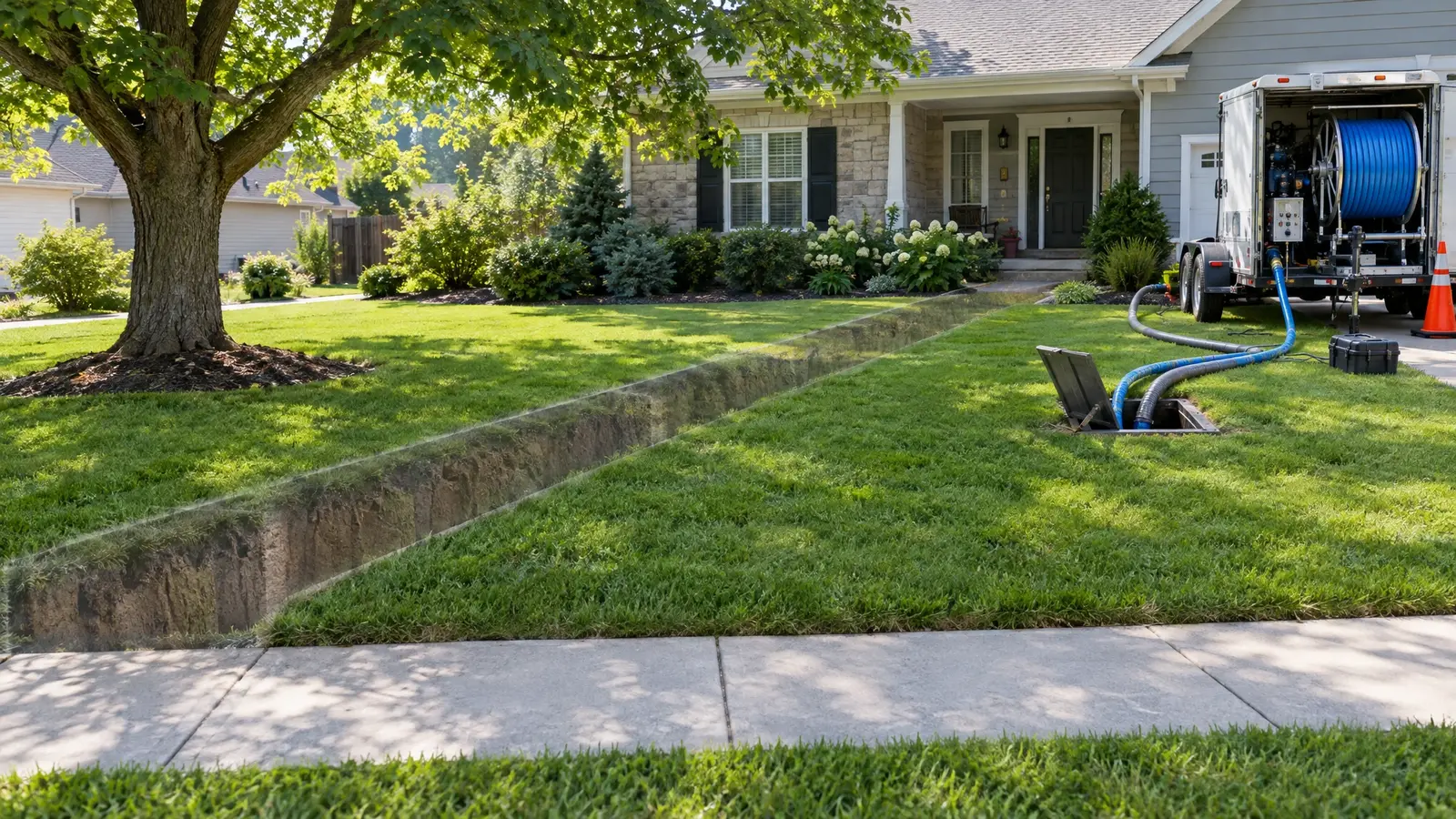
Lining needs a pipe that is basically continuous and round: cracked, root-infested or leaking joints, but not collapsed, badly offset or severely bellied. It is quick and leaves landscaping intact.
When bursting works
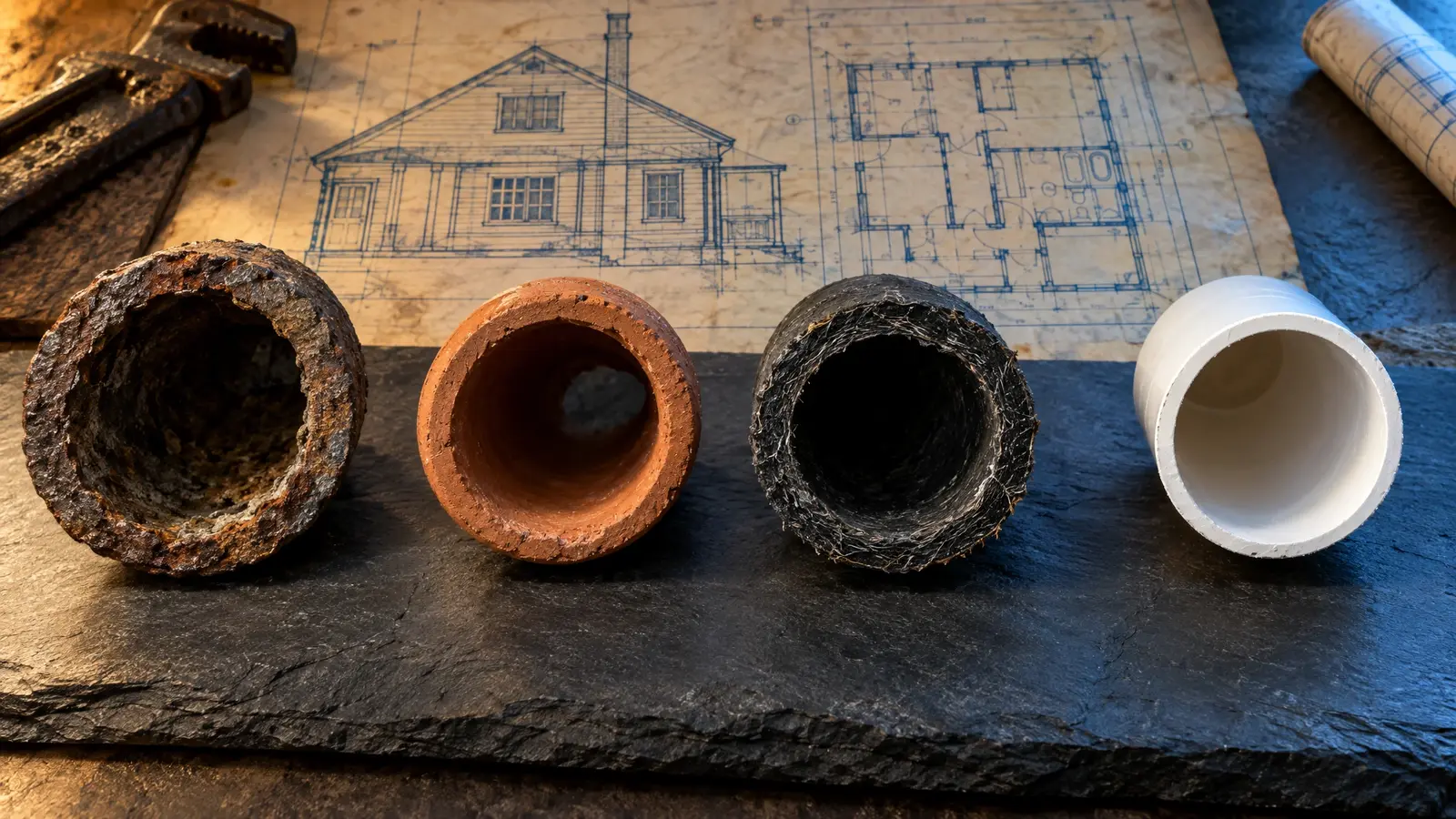
If the pipe is collapsed or made of a fragile material like Orangeburg, bursting replaces it with a continuous new pipe through small pits.
When digging is the answer
A deep belly that needs a new slope, a pipe at a location where bursting risks other utilities, or a short, shallow run in an open area can be best served by excavation.
Compare total cost
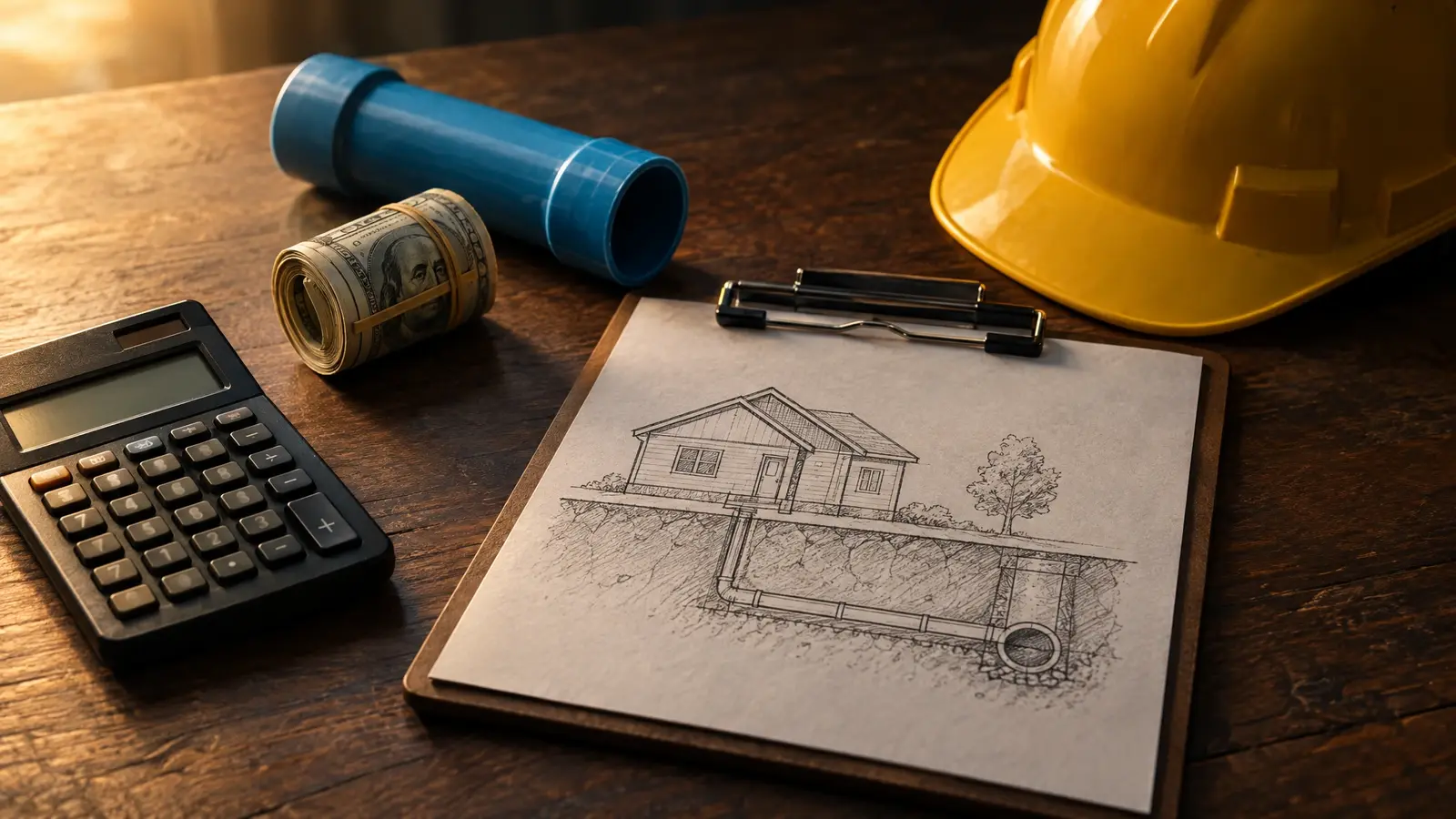
Trenchless often costs more per foot but saves on restoration of driveways, patios, fences and landscaping. Open-trench costs less in materials but more in restoration. Compare the whole job, not the per-foot number.
Permits and warranties
Ask about permits, inspections and warranty terms for each method, and ask for the camera footage that supports the recommendation.
Let the camera choose the method, and compare quotes by total cost including restoration.