Keep the health inspector happy and the kitchen drains flowing with scheduled grease interceptor pumping and cleaning.
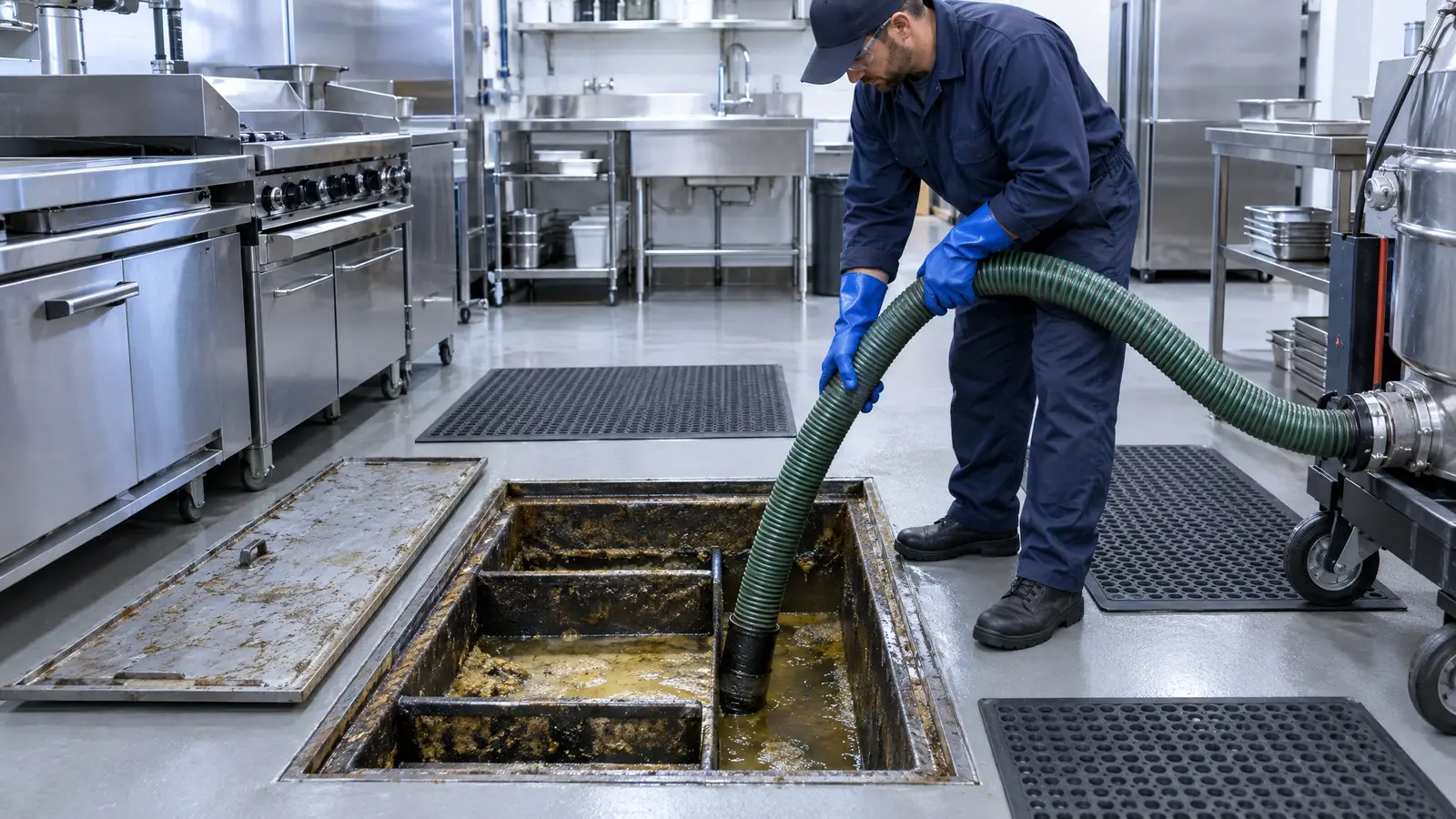
Fats, oils and grease (FOG) from a commercial kitchen are the number one cause of kitchen drain blockages and a leading cause of municipal sewer overflows. Grease traps and interceptors catch FOG before it enters the sewer, but only if they are cleaned regularly. A full trap stops working, smells and violates local rules.
We pump and clean traps and interceptors, scrape and wash the walls, check the baffles and lids and then jet the lines in and out of the trap. We keep service records for your inspections and set up schedules matched to your volume, whether that is monthly, quarterly or in between.
Drag the handle to compare.
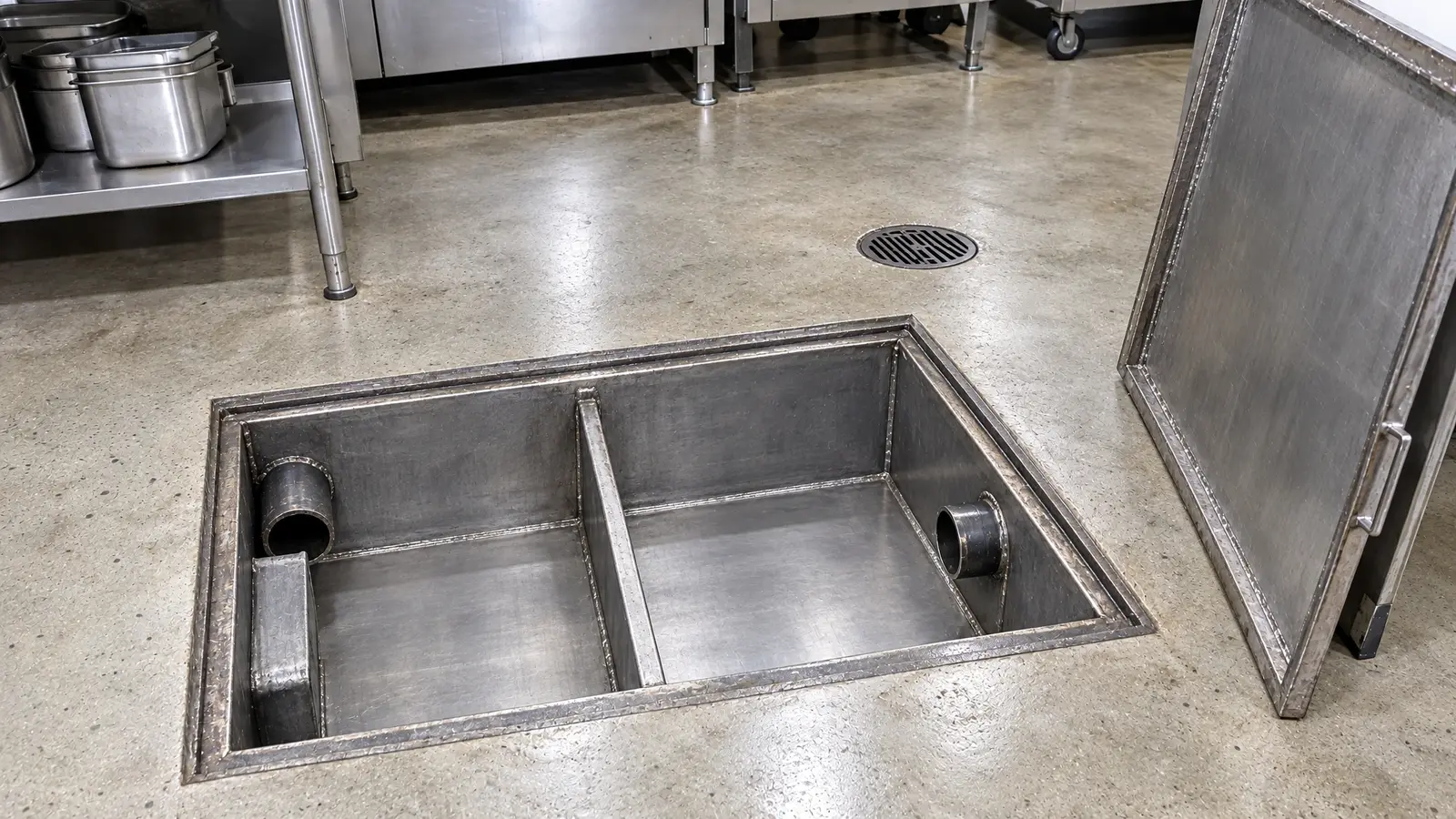
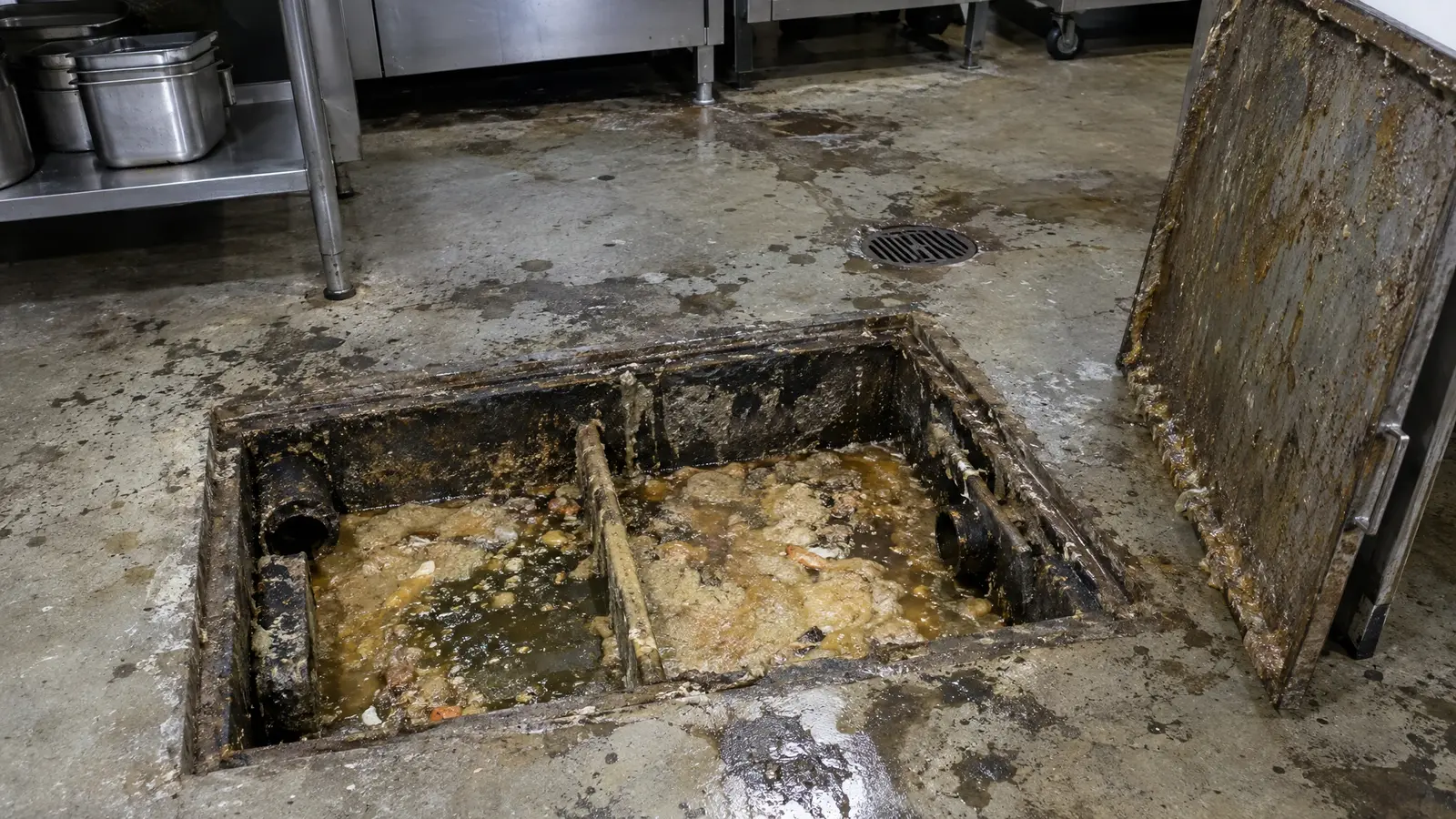 BeforeAfter
Pump out, scrape, wash and check baffles.
Frequency matched to your kitchen volume.
Service logs for inspectors.
Clean the lines in and out of the trap.
Service before or after service hours.
Prevent backups during the dinner rush.
Every topic has its own page with signs, causes and fixes.
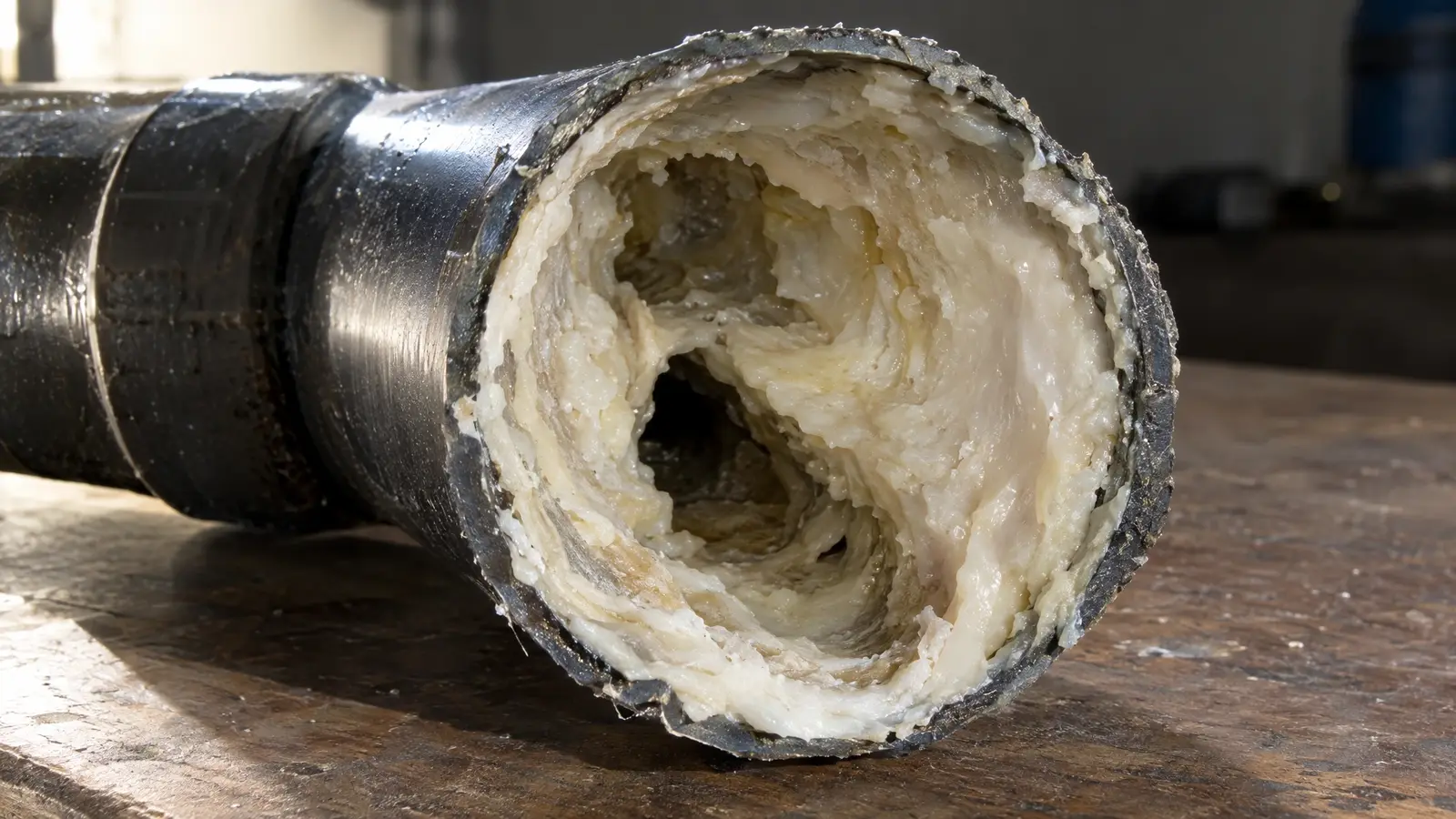 Common problemGrease BuildupWarm grease goes down liquid and turns to a hard, waxy coating on the pipe wall, narrowing it…Learn more
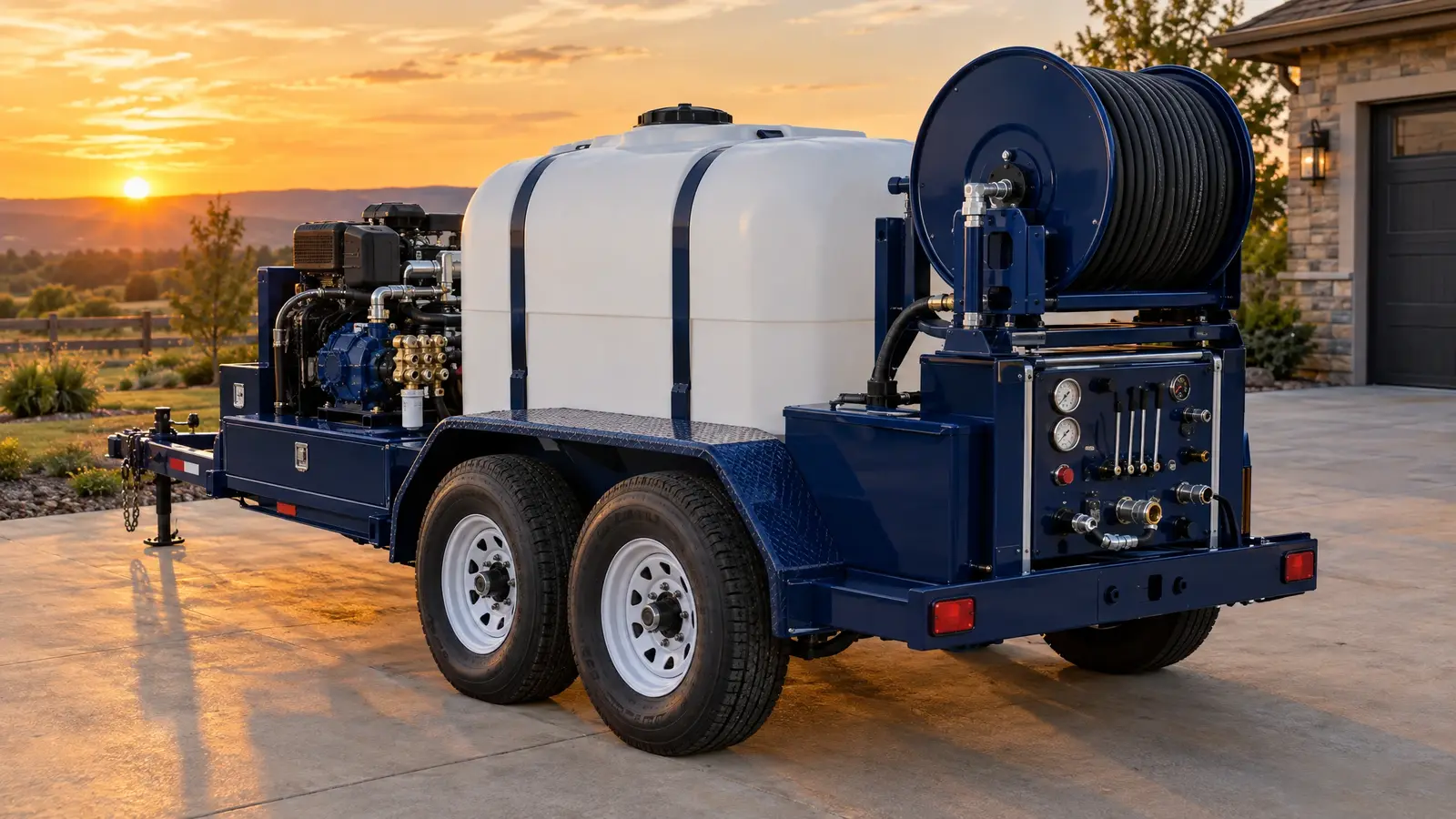 Pipe or methodHydro JettersTruck- and trailer-mounted jetters deliver the flow and pressure to clean pipes from 2 inches to large mains.Learn more
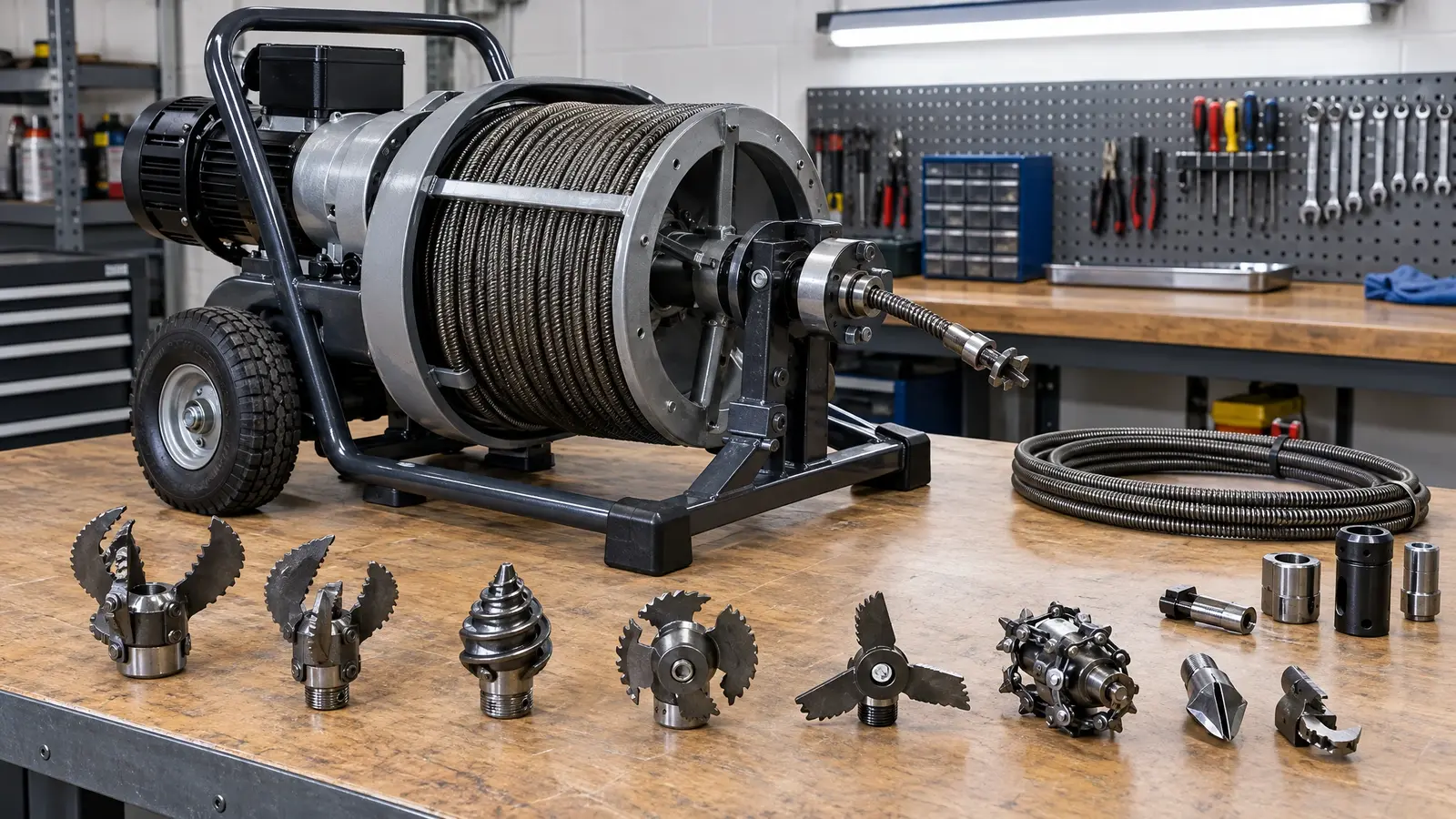 Pipe or methodDrain MachinesCable machines with interchangeable cutting heads open blocked lines quickly, from small sinks to large mains.Learn more
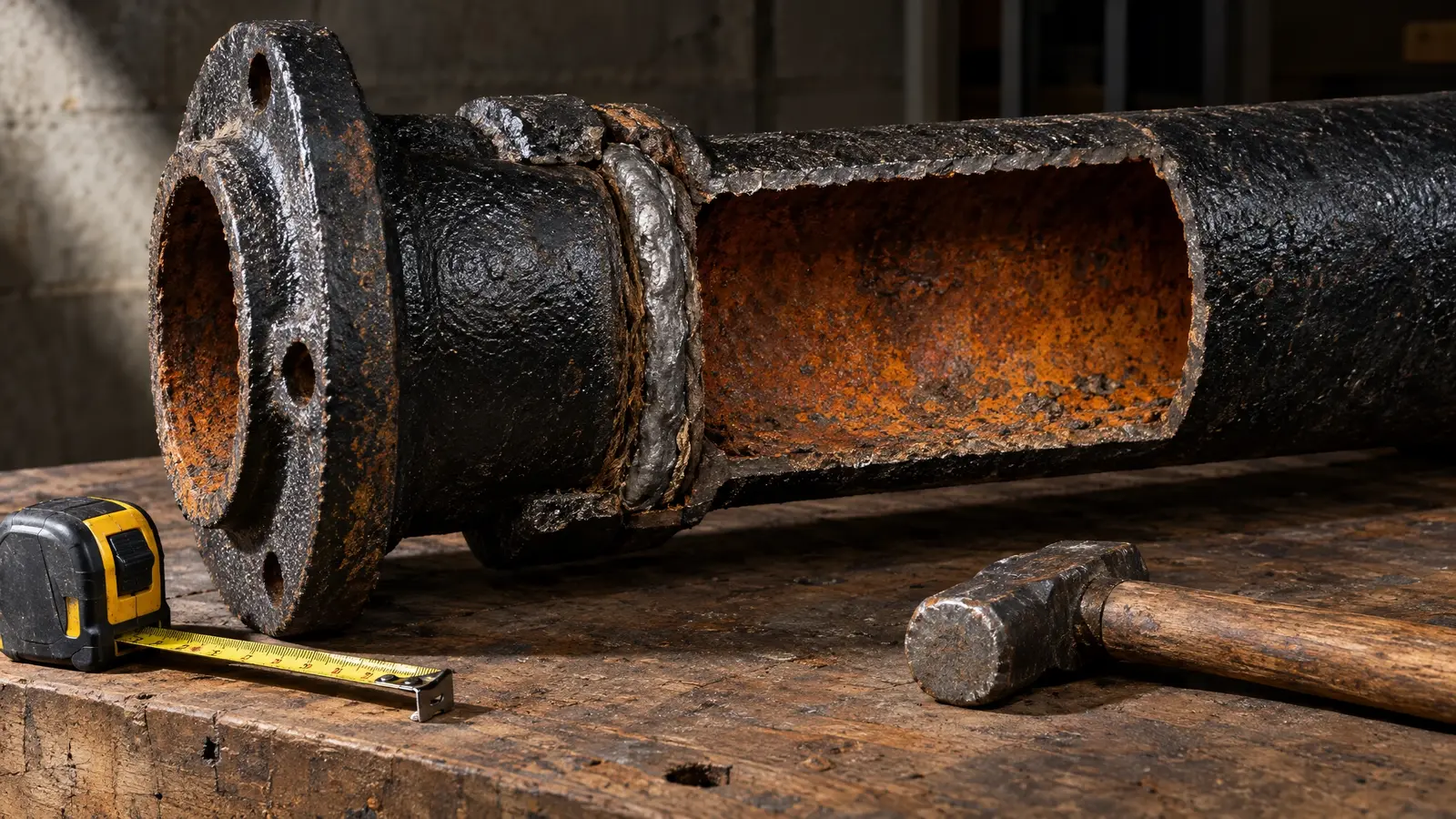 Pipe or methodCast IronTough and quiet, but it rusts from the inside after many decades. Common in homes built before the…Learn more
Enter meals per peak hour, dishwashing and hours of operation for a meal-based planning size and a cleaning schedule.
We ask a few questions, give you immediate tips and send the right equipment.
We look inside the pipe to find the cause, not just the symptom.
You see the findings and approve a price before work begins.
Cable, hydro jetting or repair, with the least disruption to your property.
A second camera pass confirms the line is clear and sound.
We explain what caused it and set up prevention so it does not return.
A common rule is when it reaches about a quarter full of grease and solids, which often means every one to three months for busy kitchens. Your local rules decide.
Traps are small, usually under the sink, and interceptors are larger, often in the floor or buried outside.
We handle it through approved disposal channels, and records are available.
Our planner gives a starting estimate, and your local code officials set the final requirements.
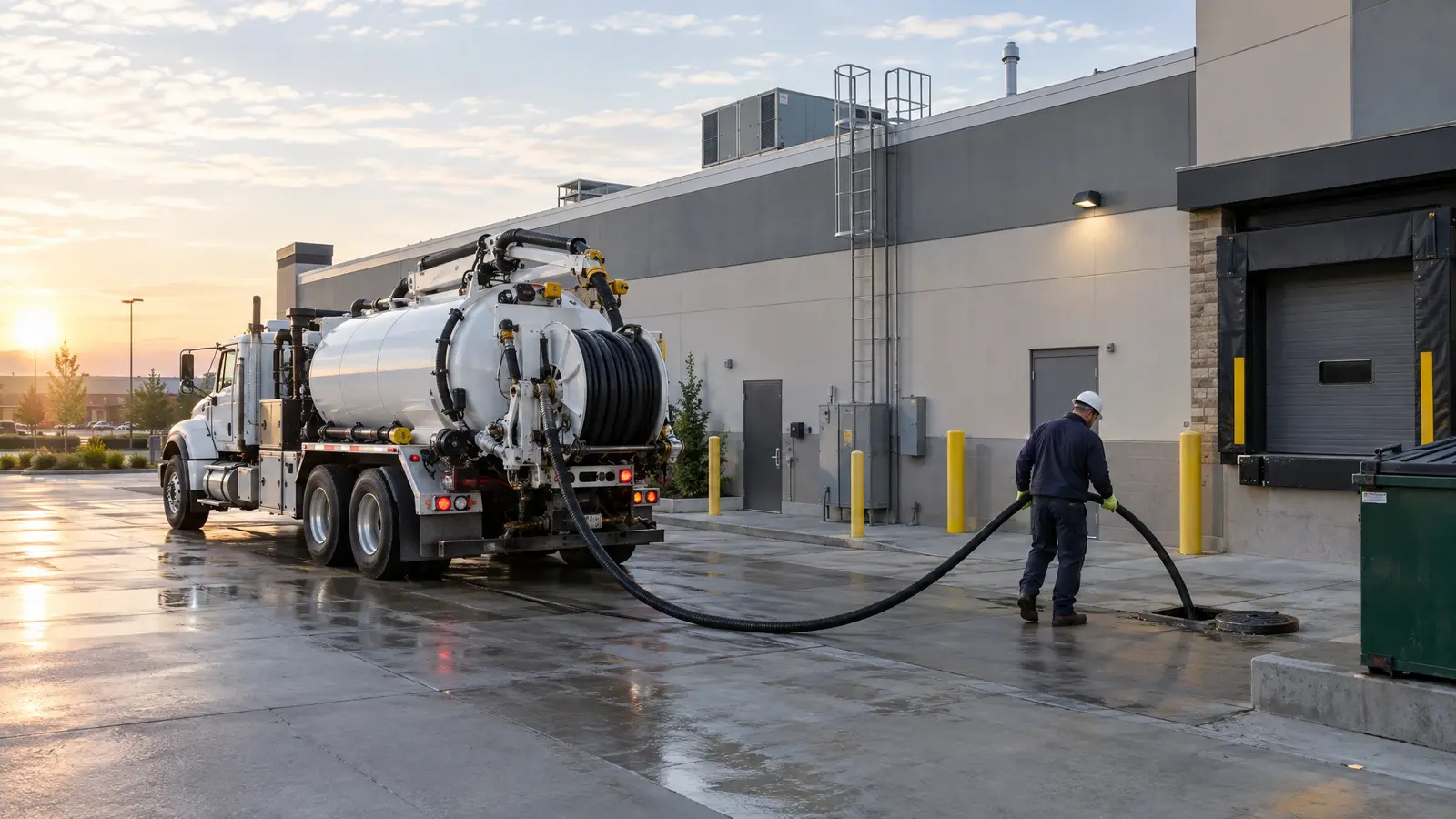 Commercial Drain ServiceDrains that keep businesses open: jetting, camera inspection, repairs and scheduled maintenance for commercial properties.Explore
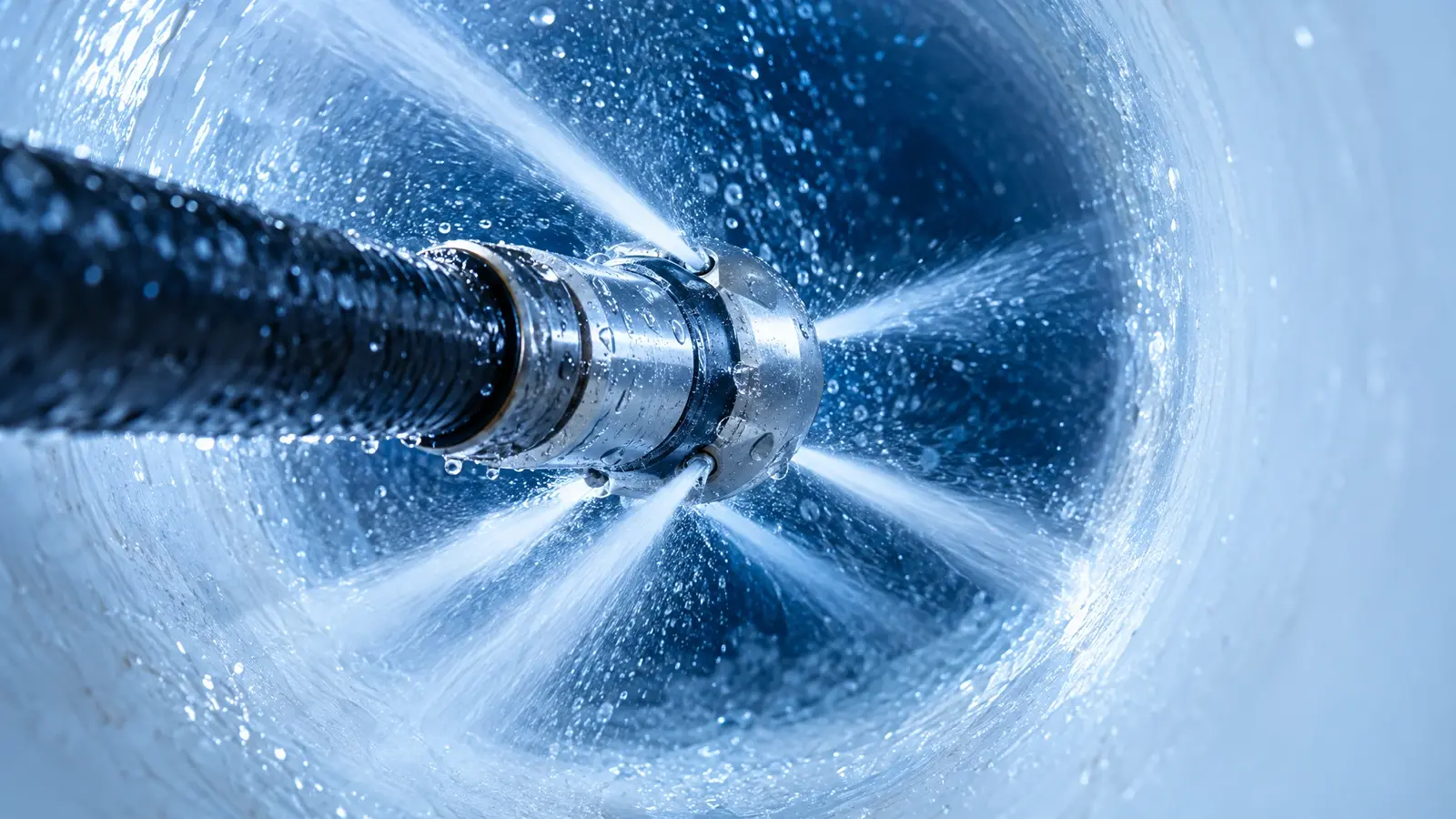
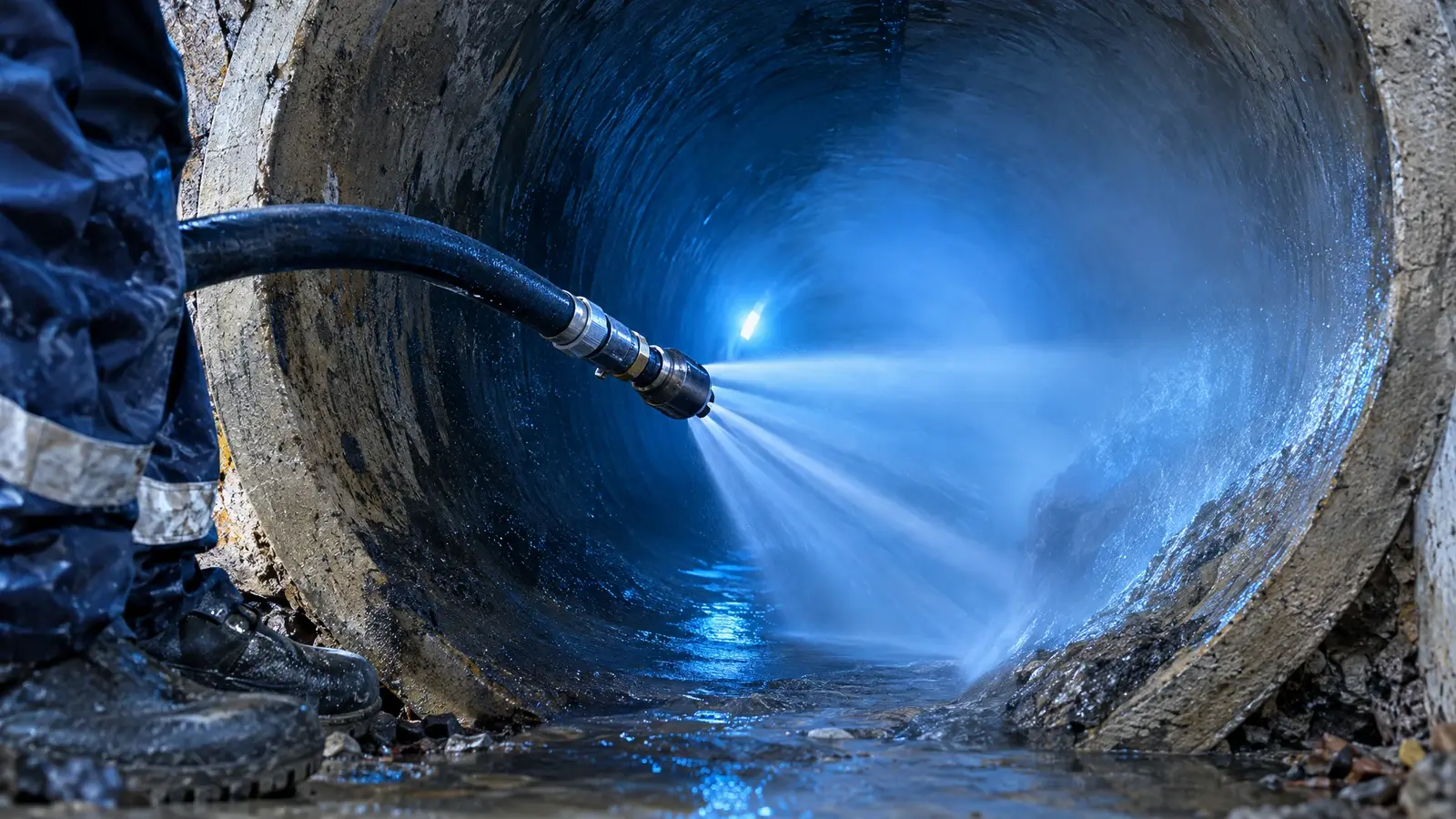 Hydro JettingHigh-pressure water scours grease, scale and roots from the pipe wall and restores the full diameter of your…Explore
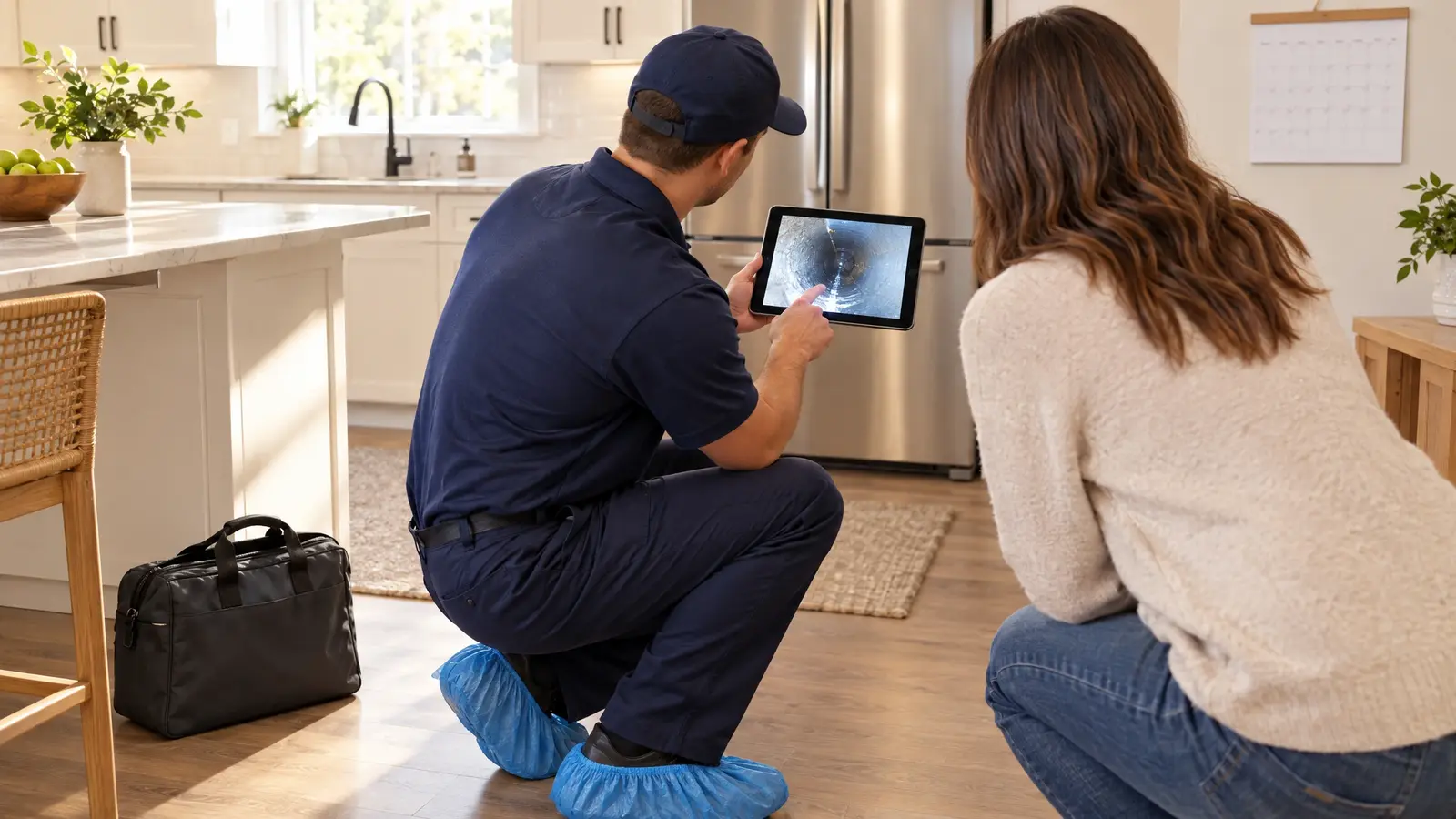 Maintenance PlansScheduled cleaning and camera checks catch problems early and keep your lines flowing.Explore
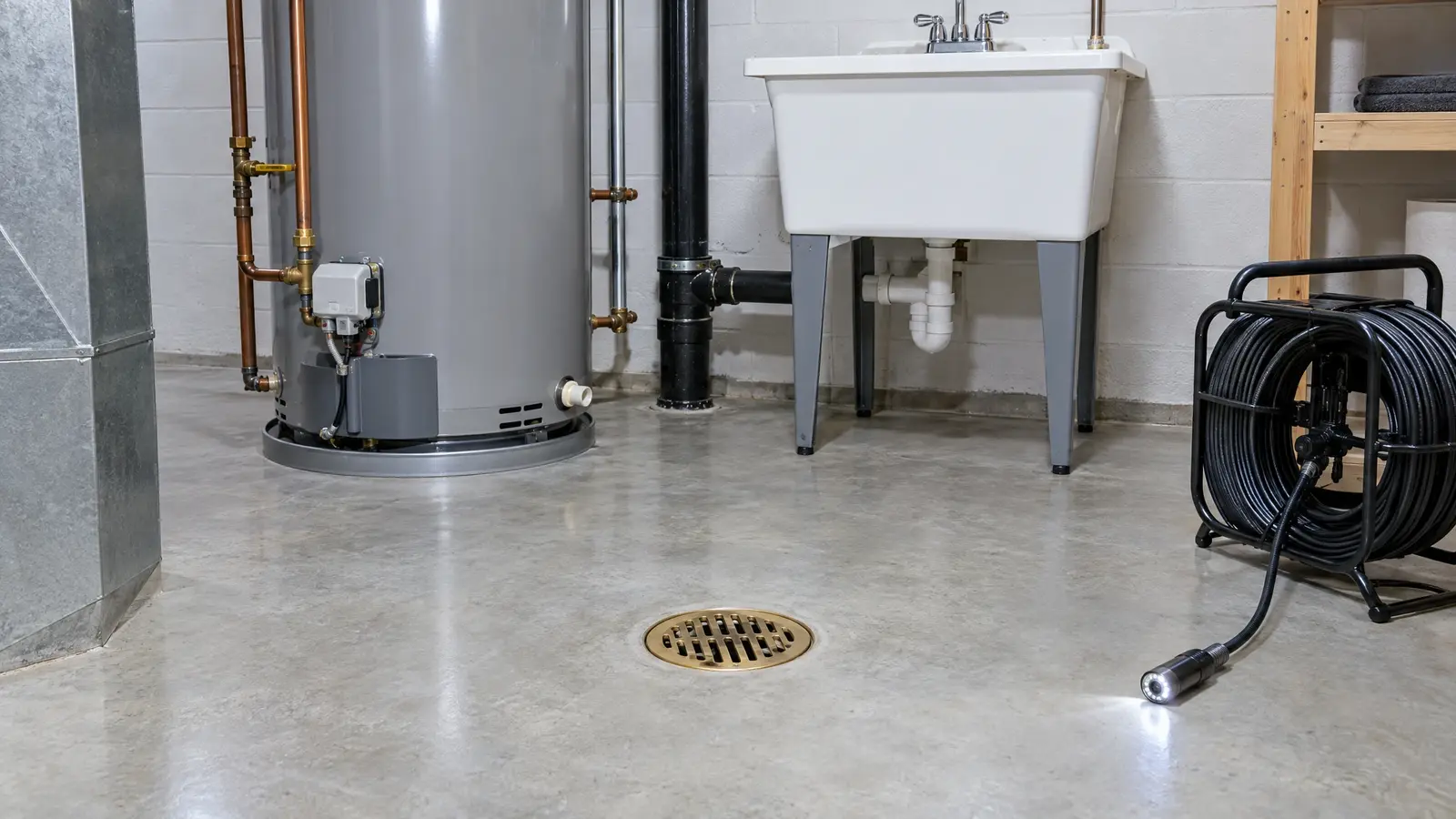 Floor DrainsBasement, garage and laundry floor drains stay dry only when the line behind them is clear. We keep…Explore
Tell us what is going on and we will call you back quickly.
Or call (615) 357-7797 to talk now.