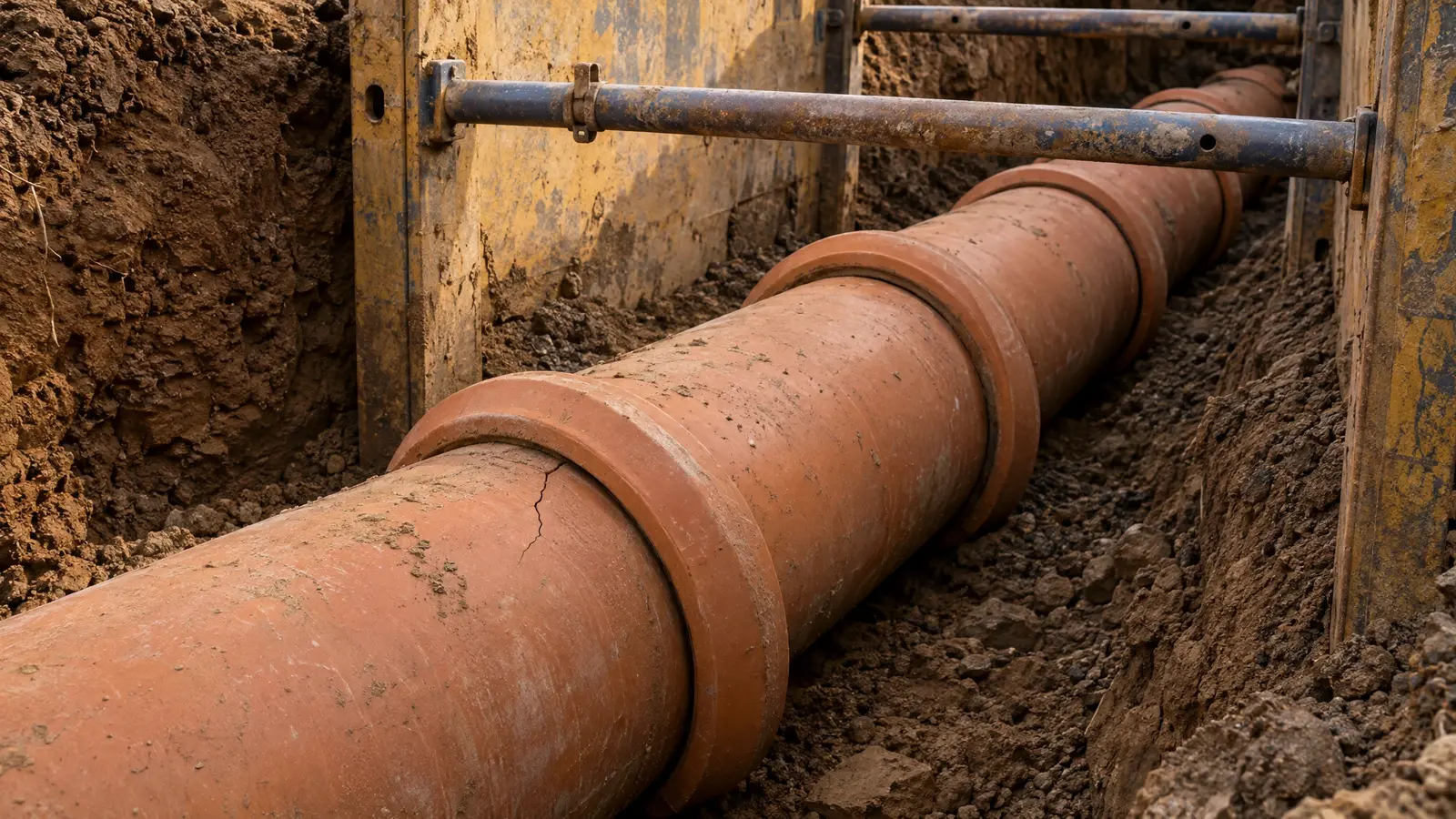
Rock-hard and long-lived, but the short sections and joints let roots in. Common in older sewer laterals.
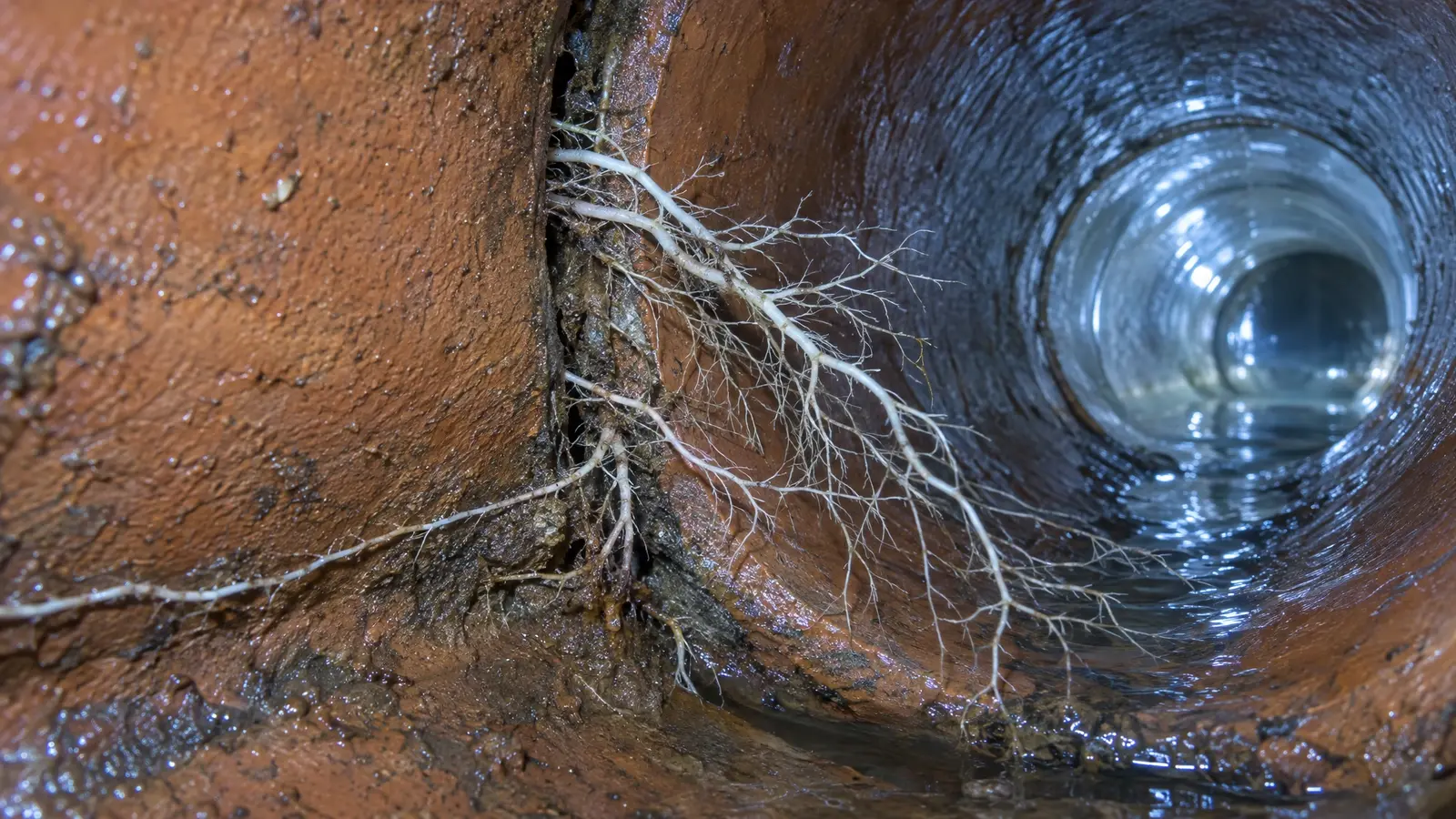
Vitrified clay is extremely durable chemically, which is why clay sewer lines from decades ago are still working. The weakness is the joints: short two- to three-foot sections with bell-and-spigot connections that open slightly with soil movement, letting roots in.
Clay can also crack from heavy loads or settlement. Camera inspection shows the joints and cracks. Cleaning and cutting clear the roots, and lining or replacement closes the pipe for good, depending on what the camera reveals.
Resists chemicals and corrosion.
Short sections mean many joints.
Camera shows displaced joints.
Seals joints inside the pipe.
Often found in homes before the 1970s.
Spot repair for isolated damage.
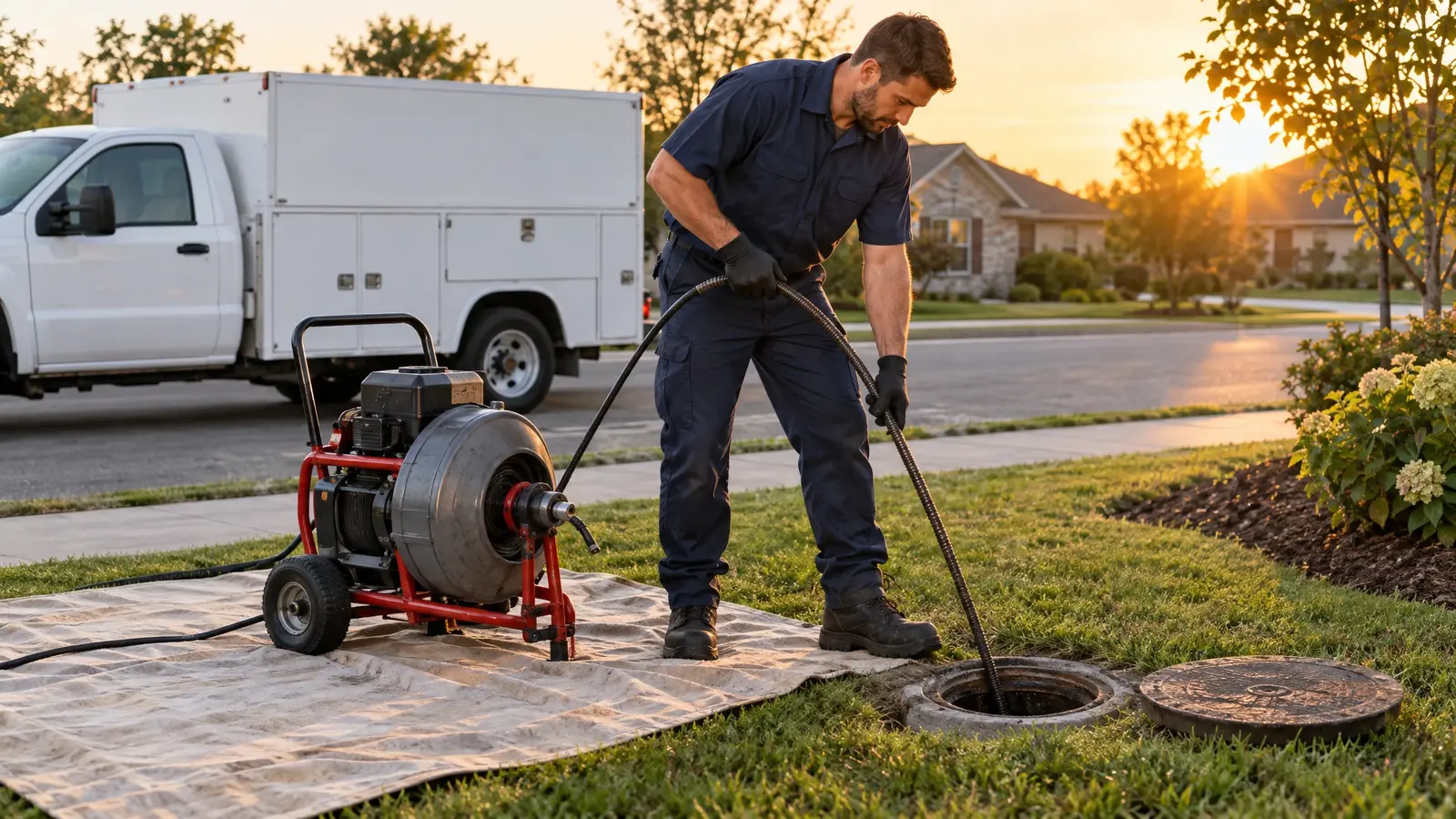 Sewer Line CleaningFrom the cleanout to the city main, we clear the whole building sewer and leave it flowing freely.Explore
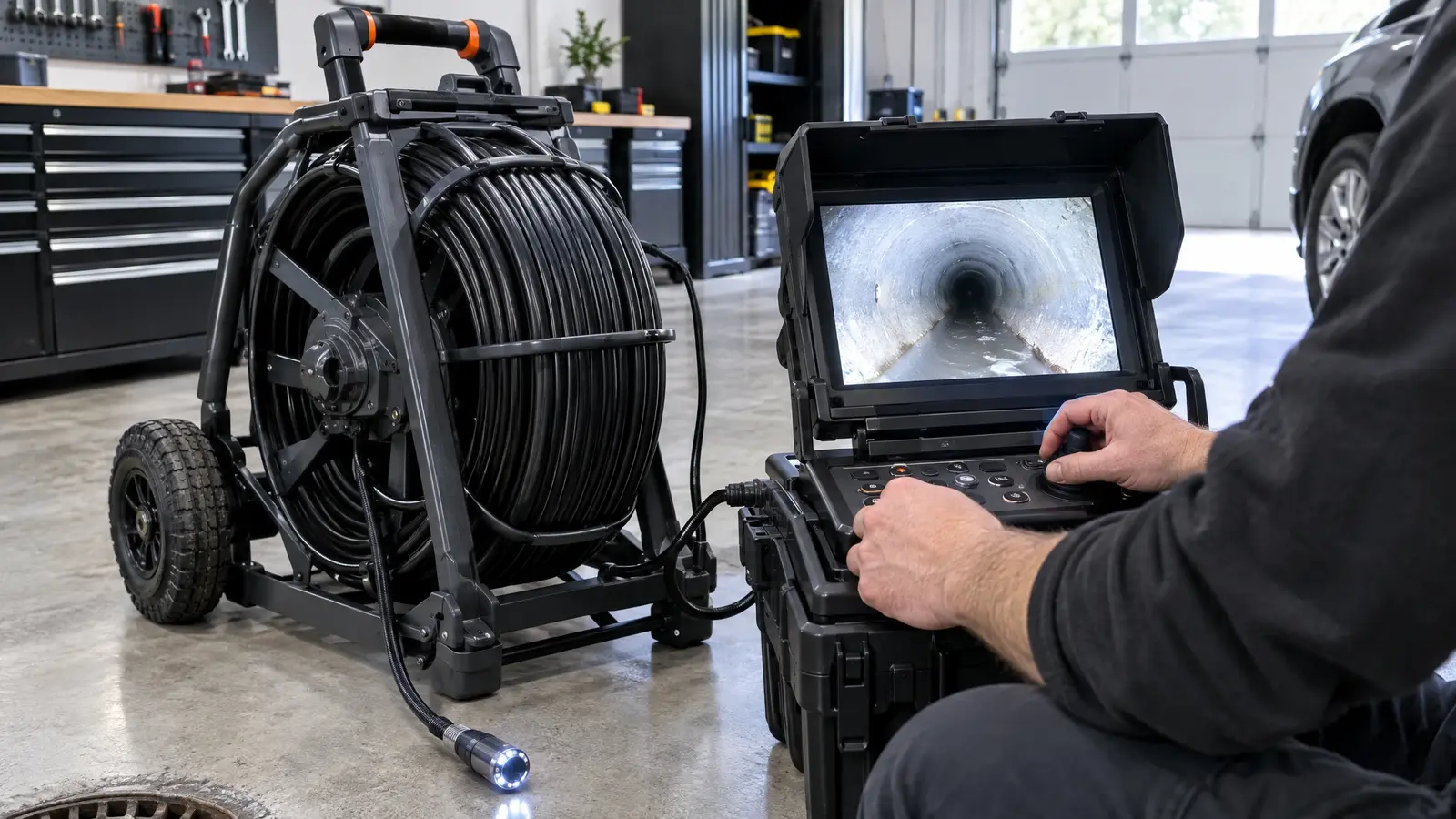 Sewer Camera InspectionSee inside your pipes. A camera inspection finds roots, cracks, sags and breaks, and gives you video proof.Explore
 Root RemovalRoots find tiny cracks and joints, then fill the pipe. We cut them out, flush the line and…Explore
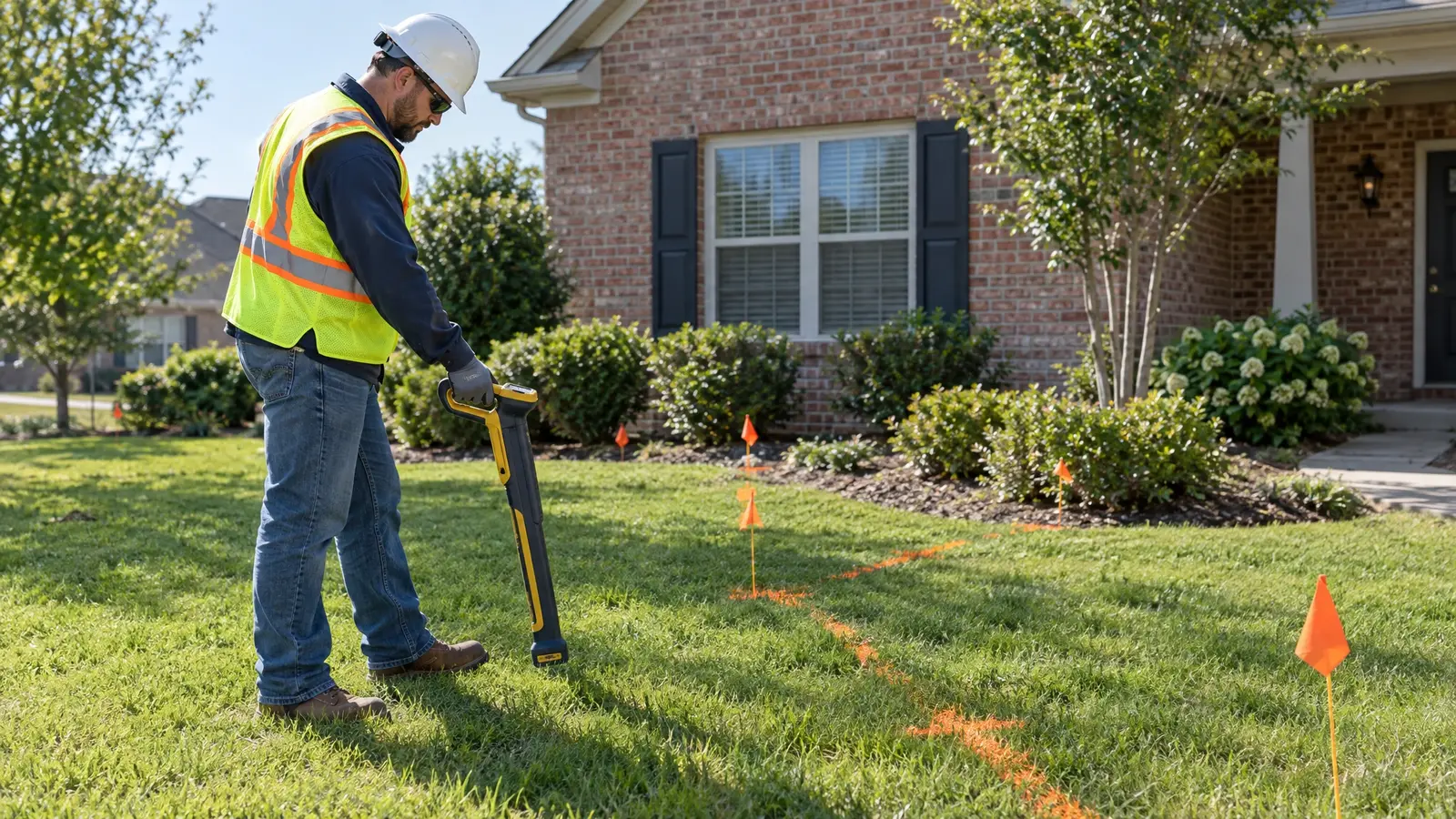 Line LocatingKnow exactly where your pipe runs and how deep it is before you dig, build, plant or repair.Explore
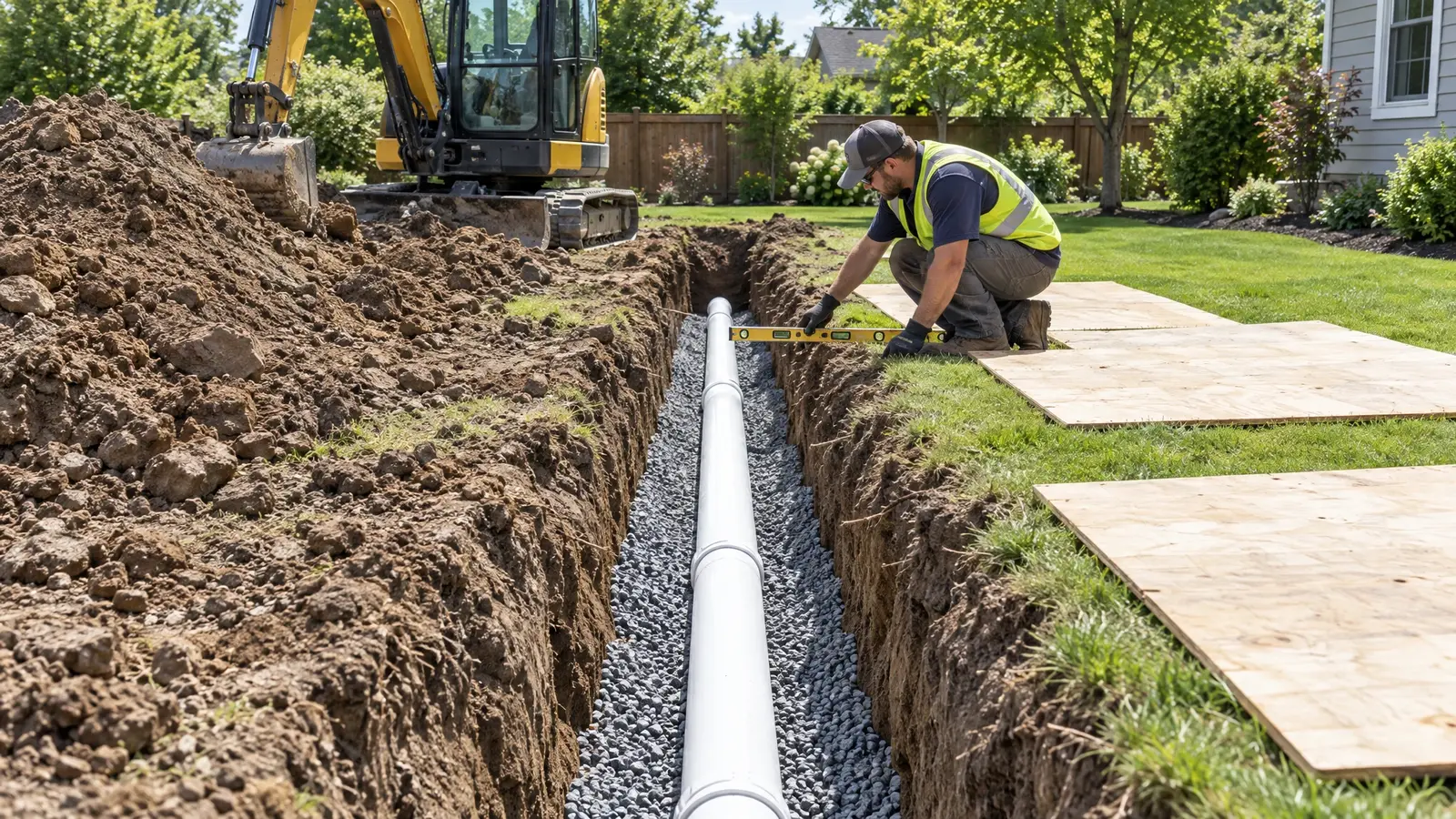 Sewer Repair & ReplacementWhen a sewer line is broken, collapsed or sagging, we repair it the way that makes sense for…Explore
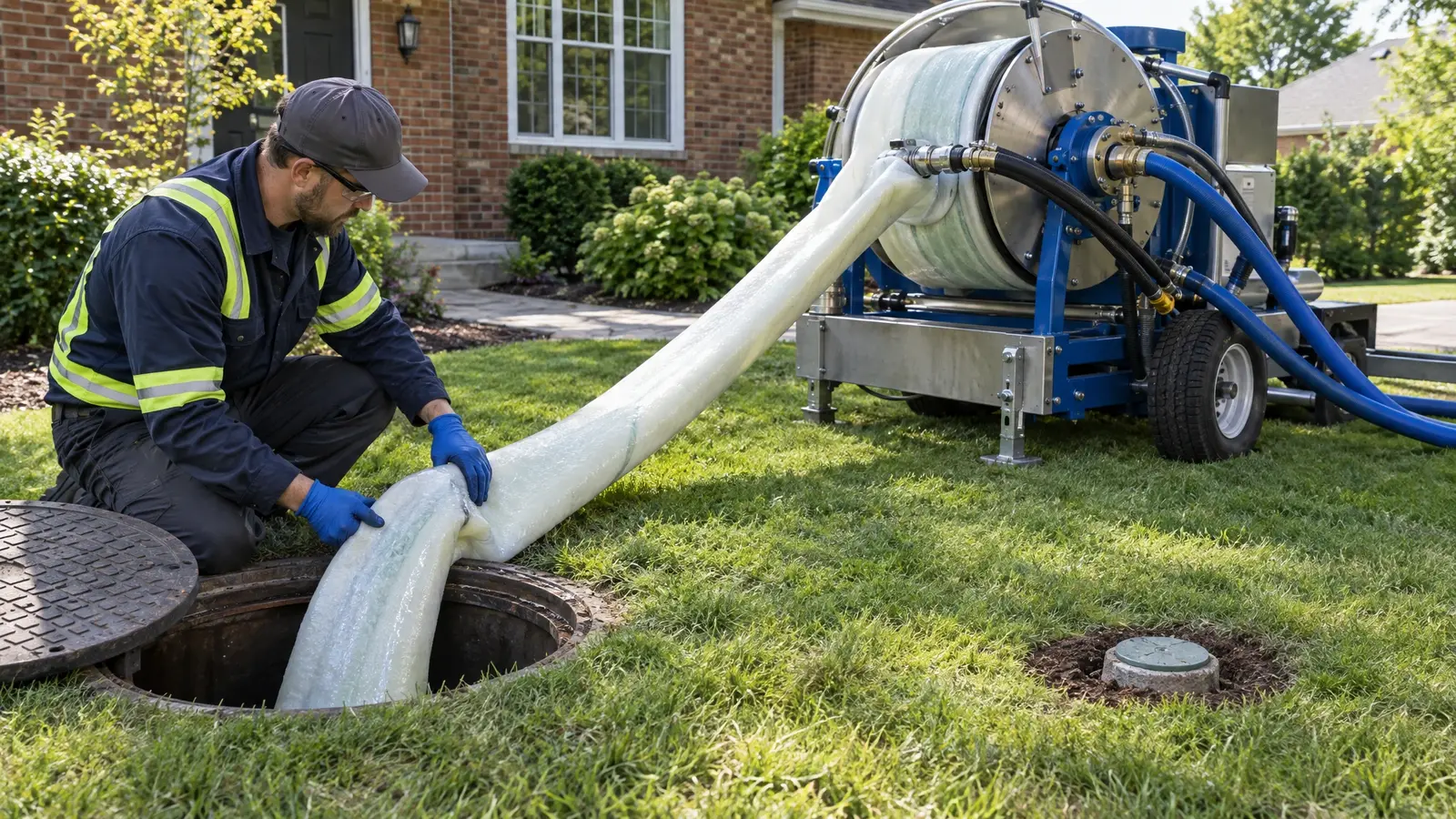 Trenchless Repair & LiningA new pipe inside the old one, installed through a small access hole. No trench across your lawn…Explore
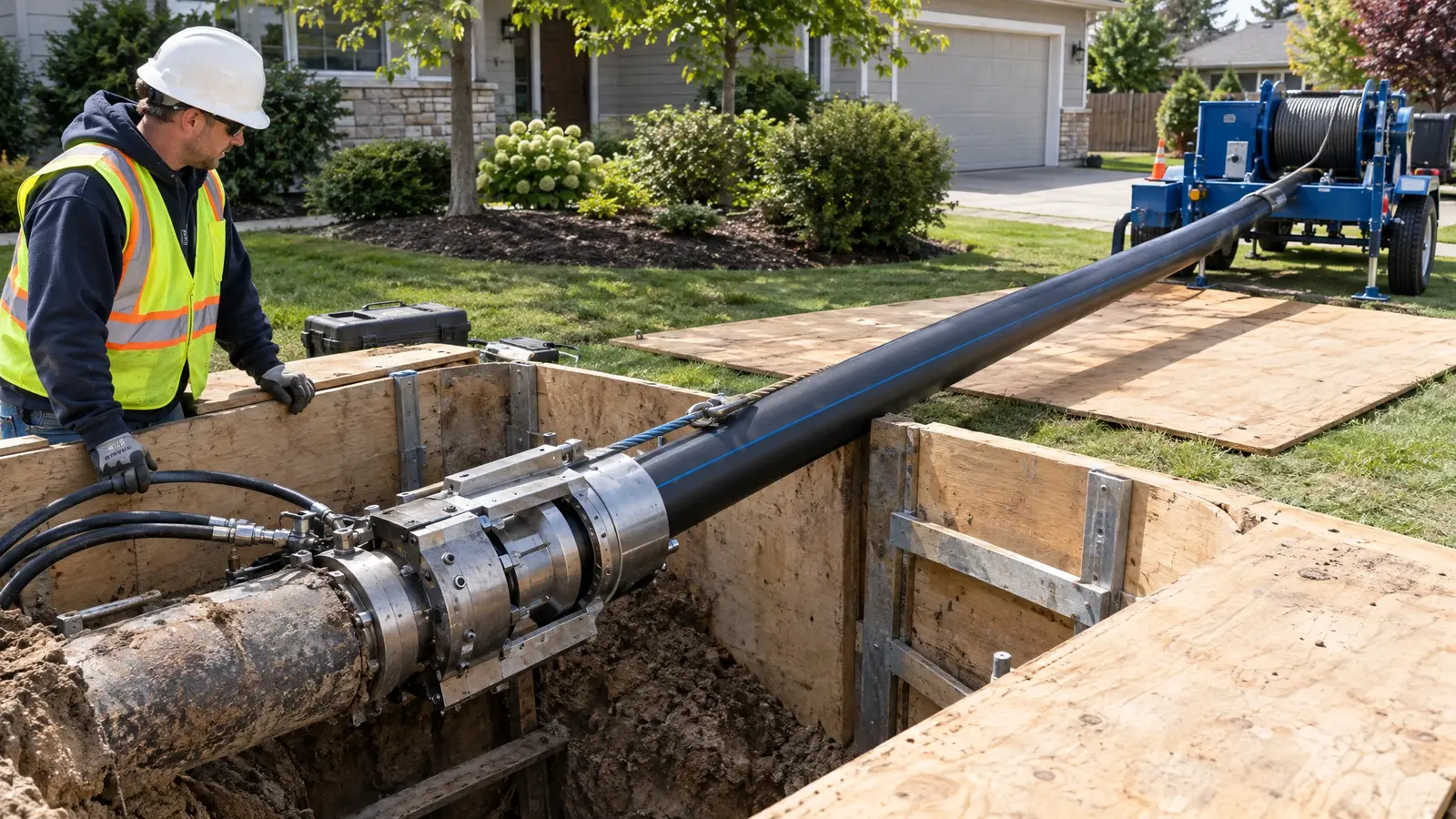 Pipe BurstingA brand-new pipe pulled through the path of the old one: full replacement with minimal digging.Explore
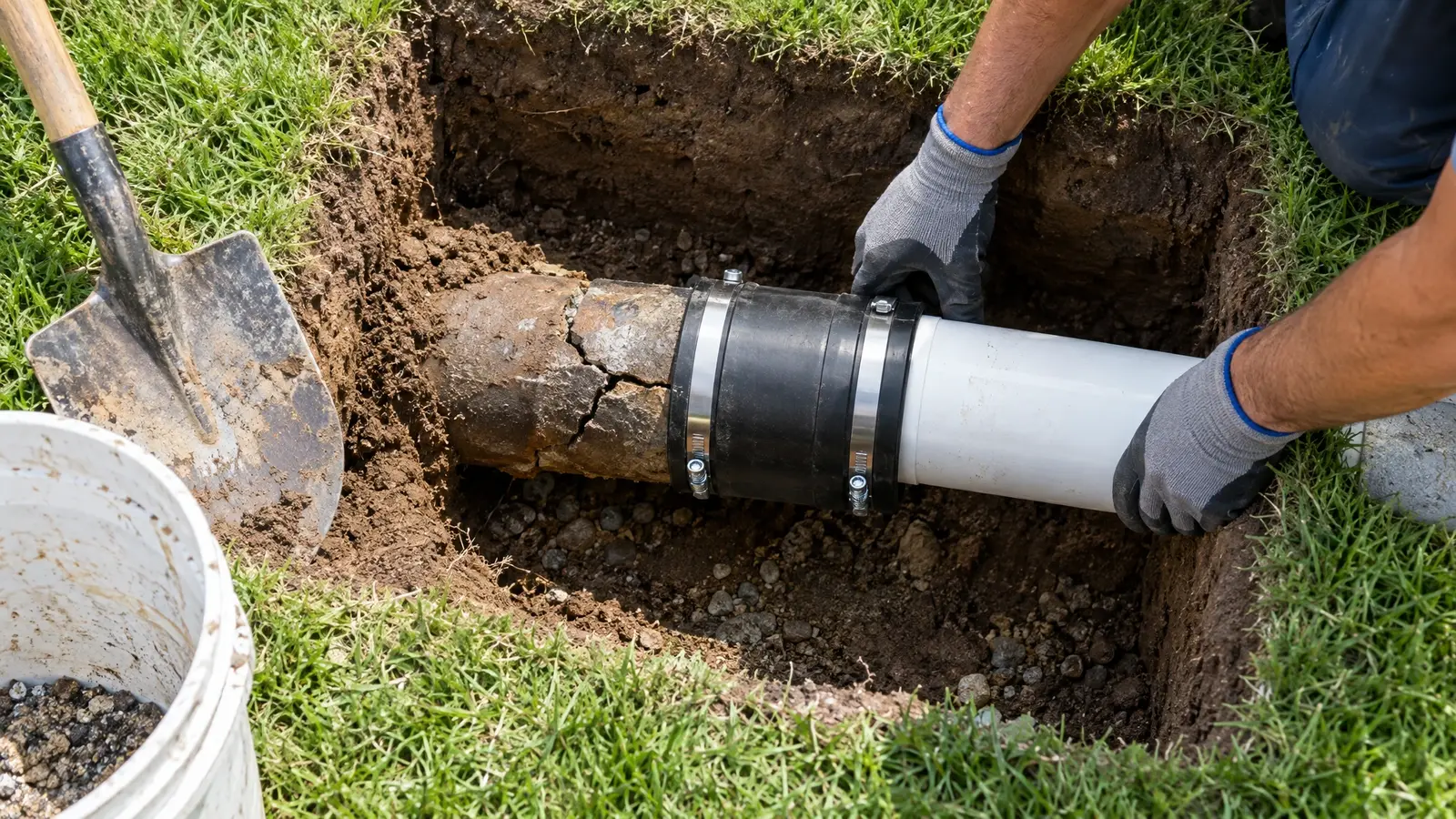 Spot RepairOne broken section does not mean a whole new line. We dig exactly where it is, fix it…Explore
Use the clog locator, ask the repair advisor or ballpark the cost.
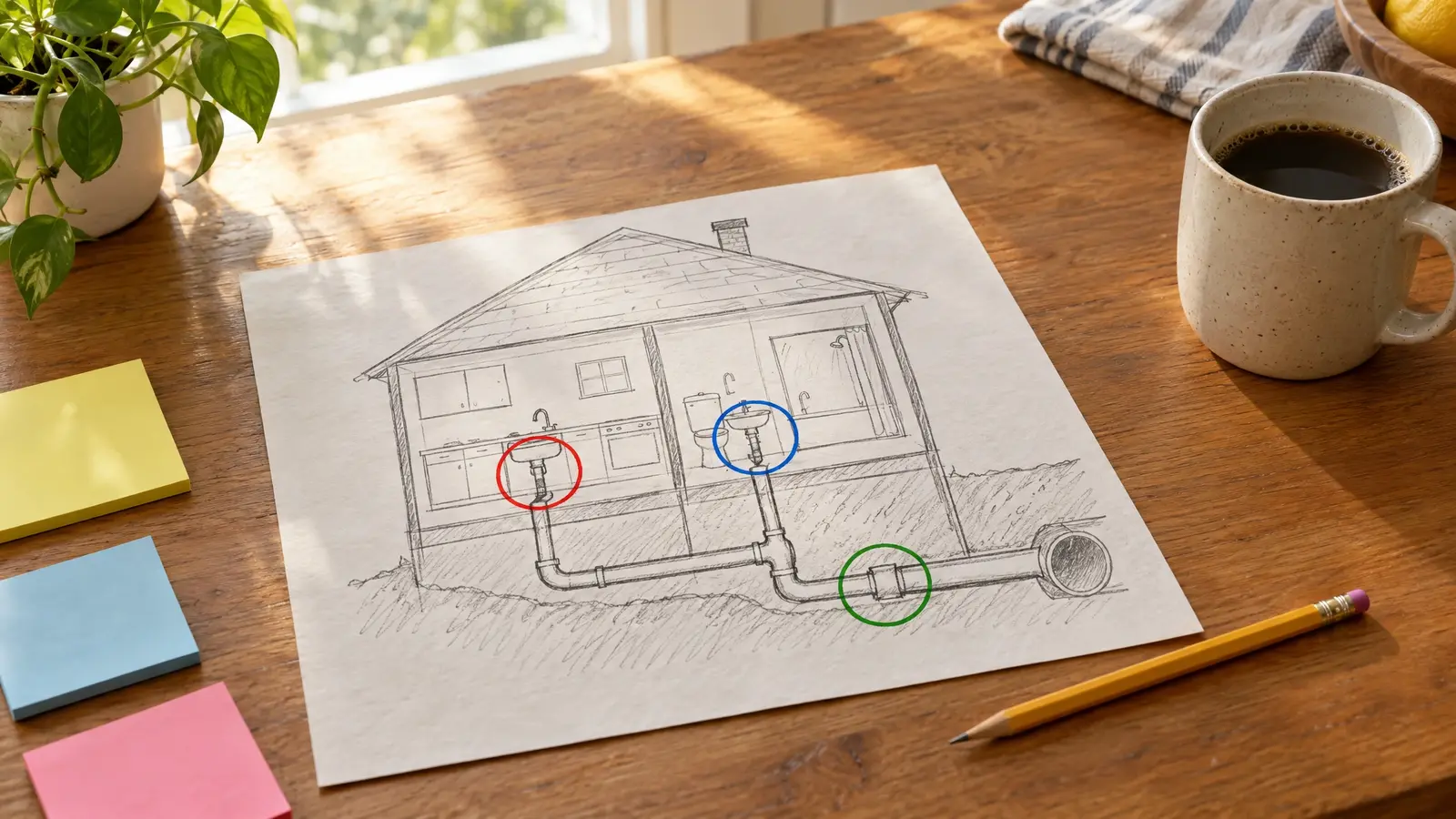 Clog LocatorTell us which fixtures are slow, gurgling or backing up and watch a cutaway of your home light up where the blockage probably is.Try it
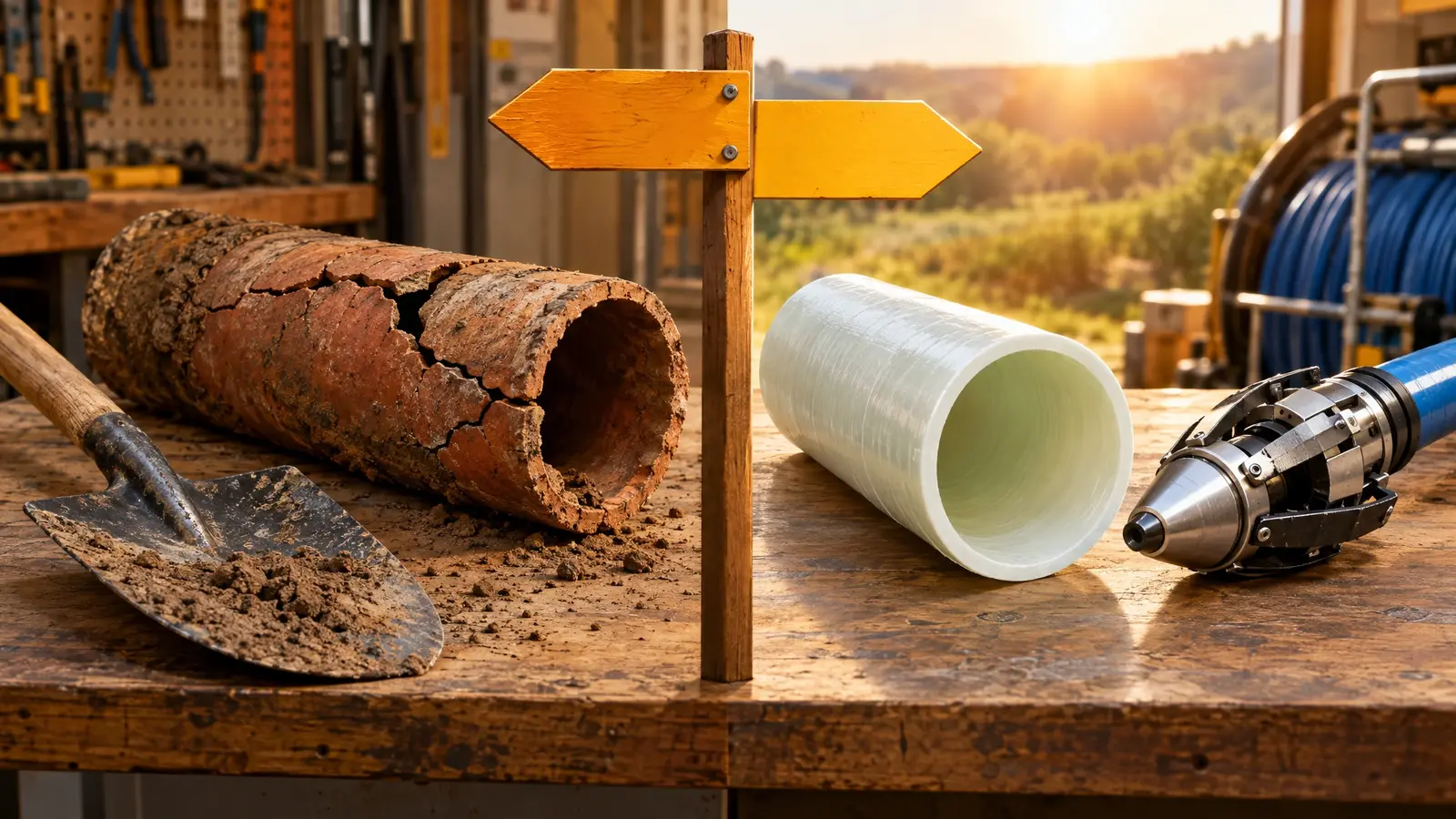 Repair or Replace AdvisorSix questions about your pipe and what the camera found, and we rank cleaning, spot repair, lining, bursting and replacement for you.Try it
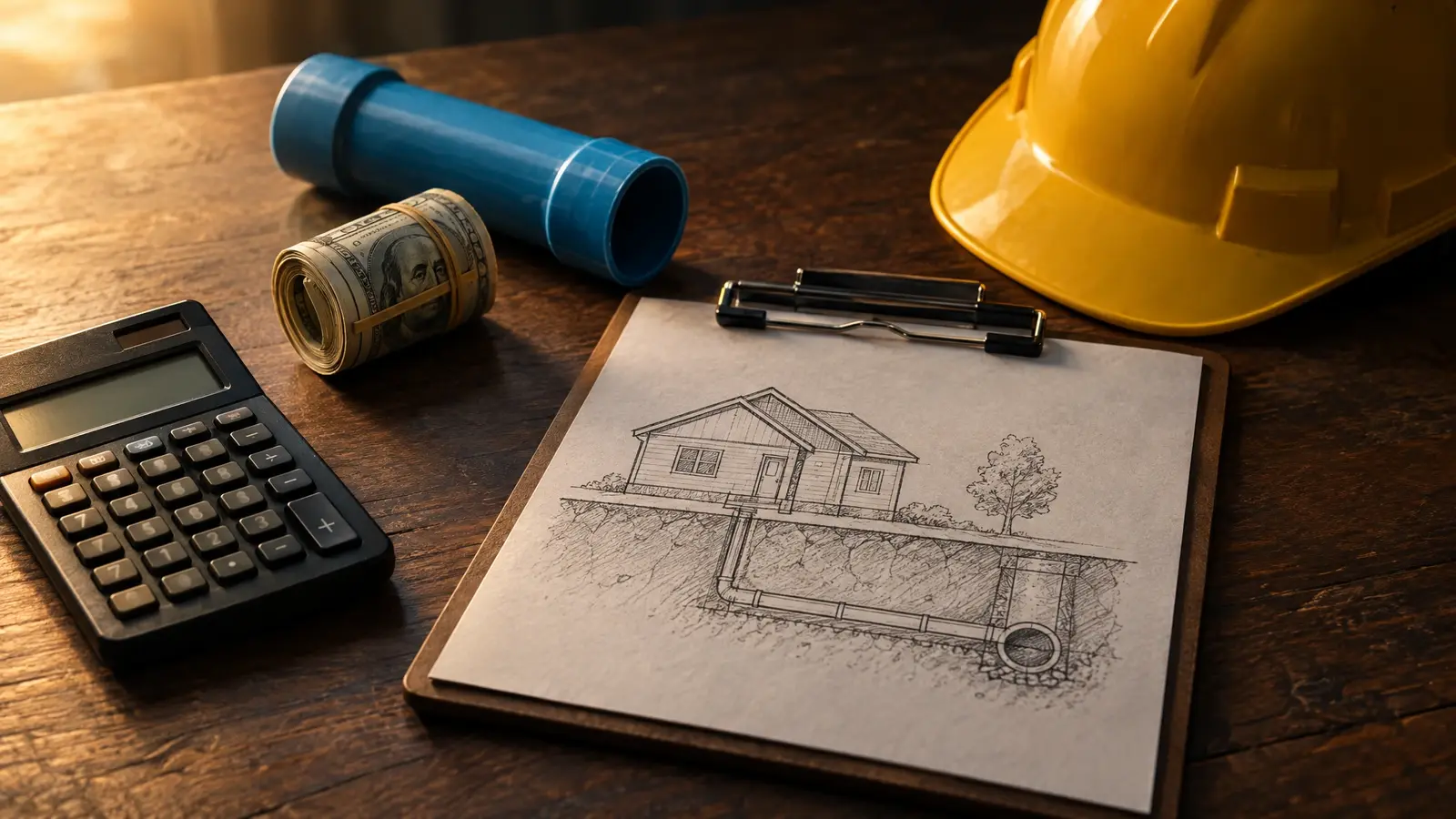 Drain and Sewer Cost EstimatorPick a job, a length and a few options and get a ballpark planning range with a monthly payment view.Try it
Not at all. The pipe itself is sound, and joints are the weak spot.
Often yes, which seals the joints and stops roots.
A camera inspection identifies the material by its joints and appearance.
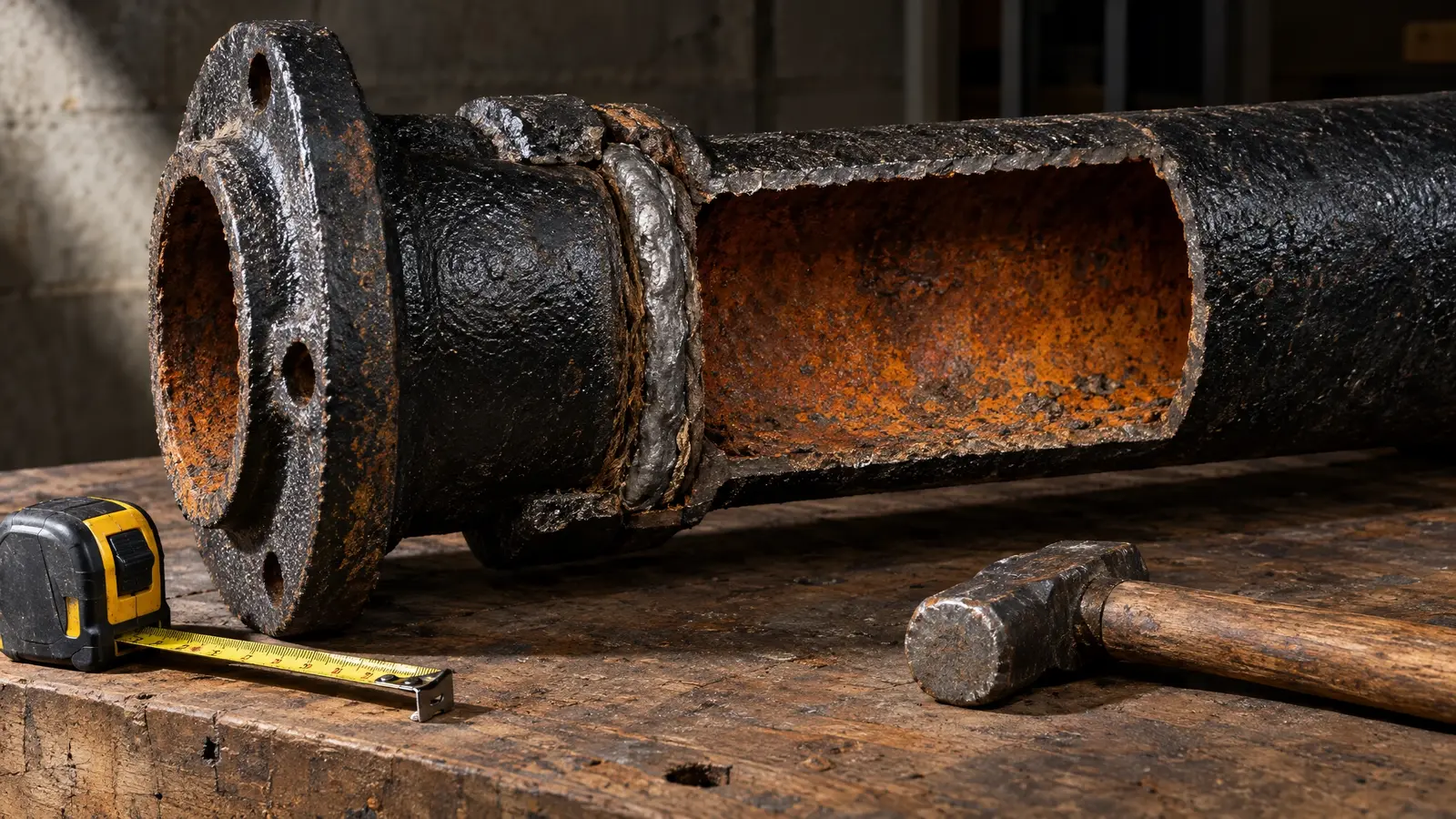 Pipe or methodCast IronTough and quiet, but it rusts from the inside after many decades. Common in homes built before the…Learn more
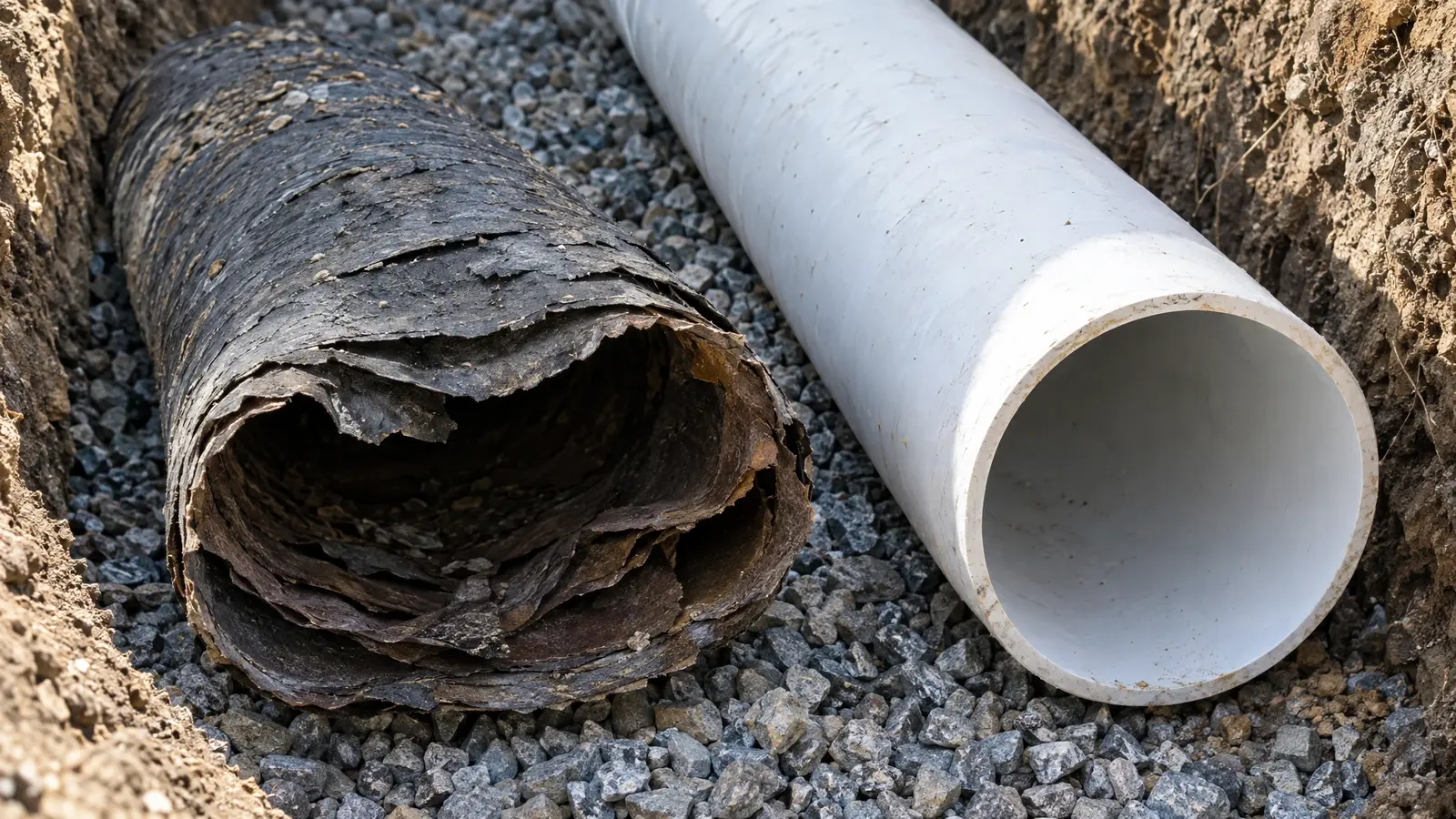 Pipe or methodOrangeburgTar-impregnated fiber pipe used mid-century. It softens, deforms and collapses, and it is rarely worth saving.Learn more
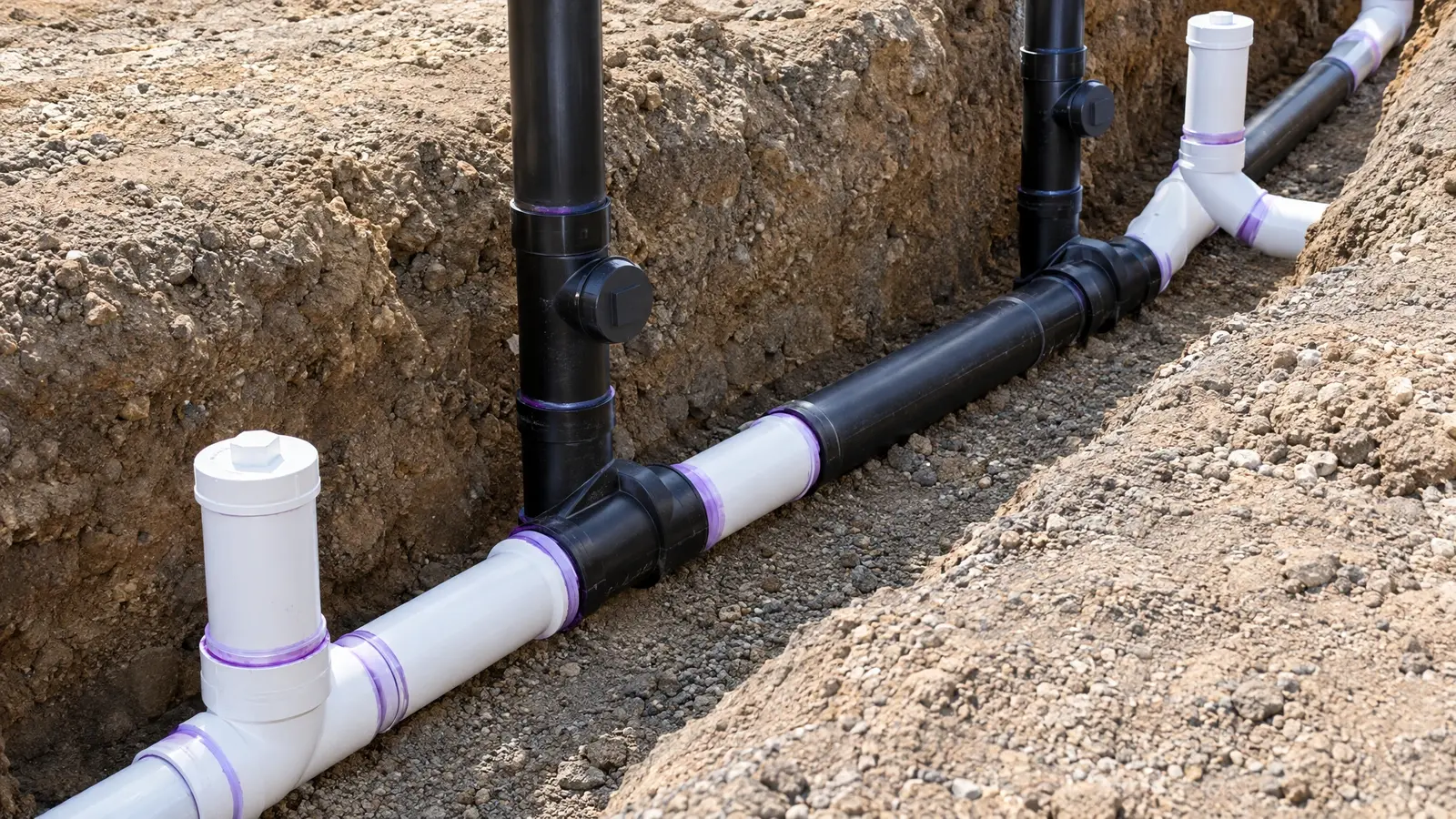 Pipe or methodPVC & ABSSmooth, light and corrosion-proof: the standard for new drain and sewer lines for decades.Learn more
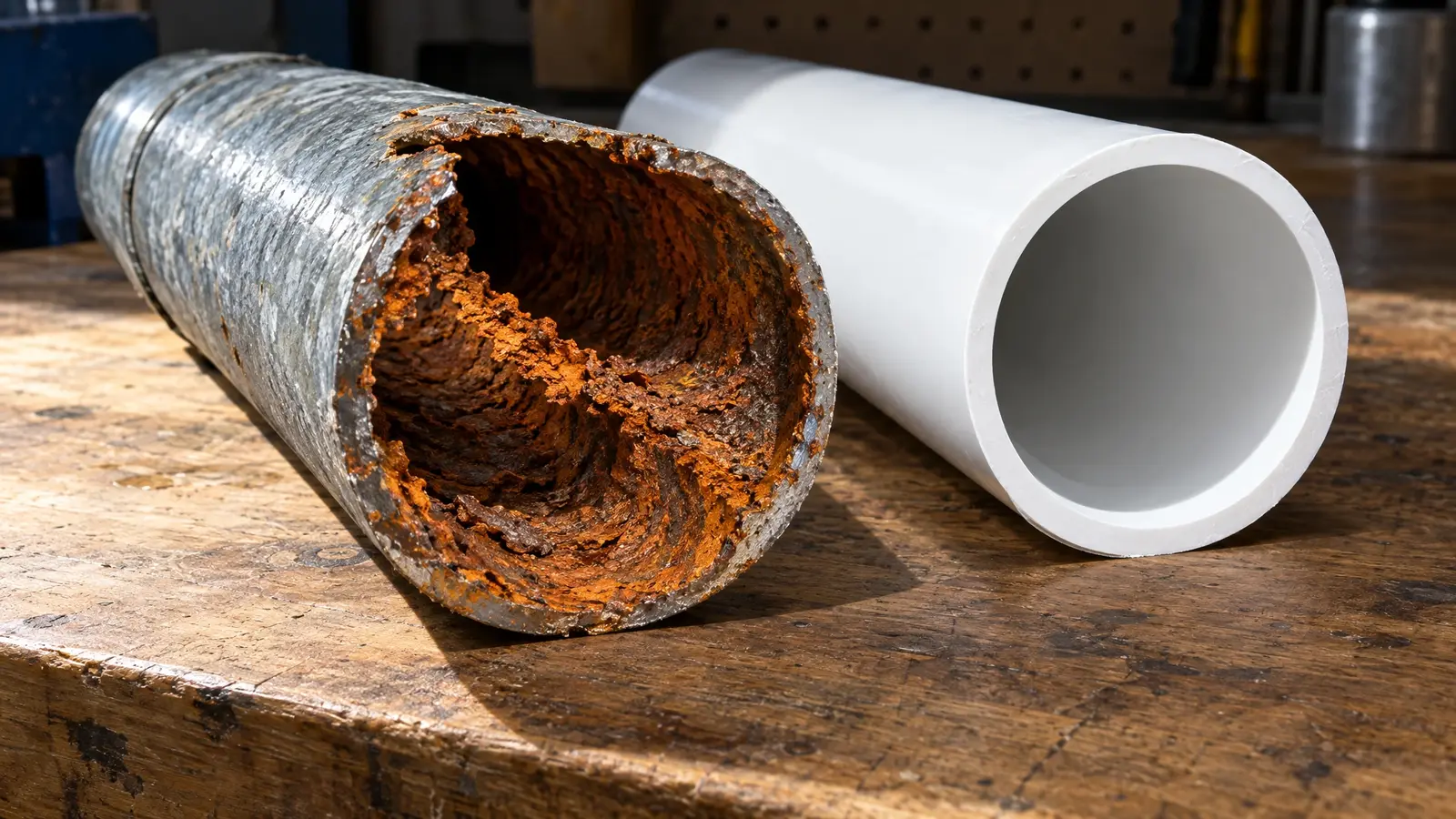 Pipe or methodGalvanized SteelZinc-coated steel that was common in older homes. It corrodes and clogs, and replacement is usually the answer.Learn more
Fast response, a camera to show you the cause and a clear price before we start.